


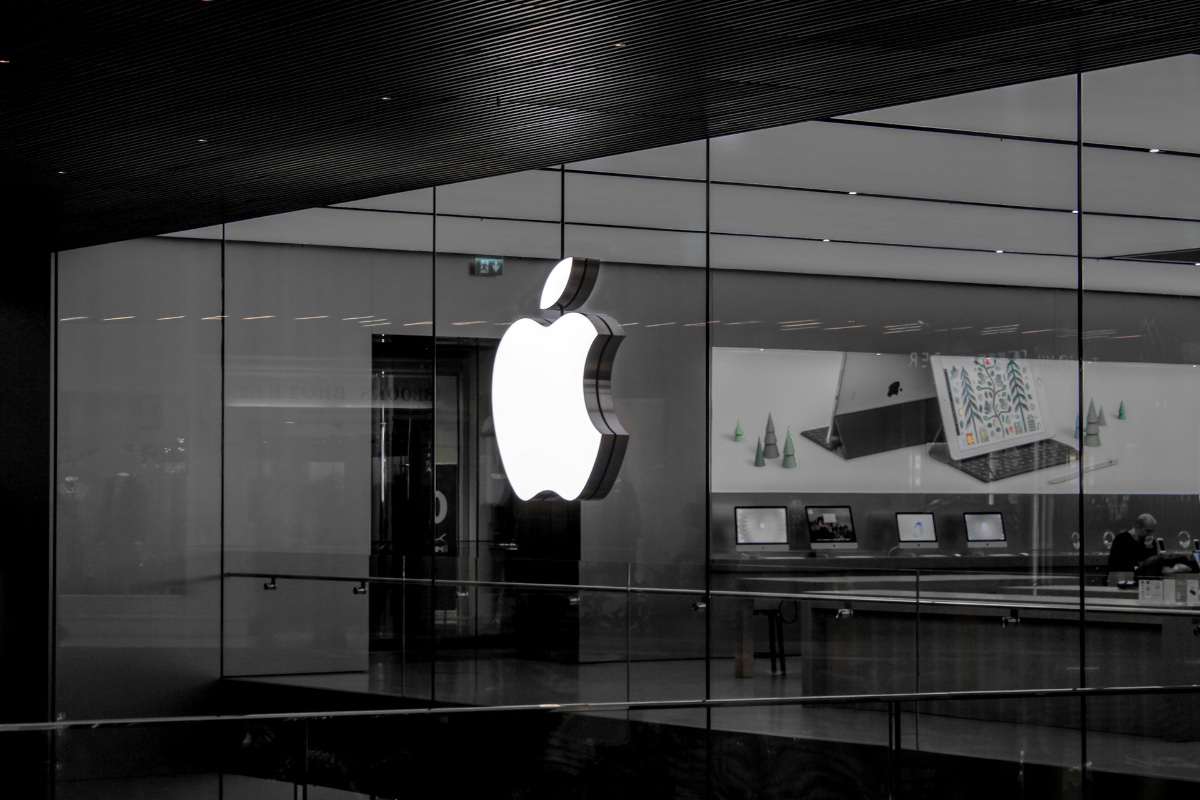
Apple has confirmed that John Giannandrea, the company’s AI chief since 2018, is stepping down but will remain with the company as an adviser until spring 2026.
His departure comes at a challenging period for Apple Intelligence, the company’s flagship AI initiative, which has faced several issues since its October 2024 launch.
Giannandrea’s replacement is Amar Subramanya, a veteran of both Microsoft and Google, most recently leading engineering for Google’s Gemini Assistant. The hire shows Apple’s intent to get serious in AI, leveraging Subramanya’s insider knowledge of a long-standing competitor.
Apple Intelligence has struggled from the start. Early features, like its notification summary tool, produced incorrect headlines, drawing complaints from the BBC.
Mistaken reports included a claim that Luigi Mangione, accused of killing UnitedHealthcare CEO Brian Thompson, had shot himself, a falsehood, and that darts player Luke Littler had won a championship before the final began.
Siri’s promised overhaul has also faltered, delaying its launch indefinitely and leading to class-action lawsuits from iPhone 16 buyers who expected a new AI assistant.
A Bloomberg investigation in May revealed serious issues. When Craig Federighi, Apple’s software chief, tested the new Siri shortly before its planned launch, many touted features simply didn’t work.
Leadership changes followed as Giannandrea was stripped of Siri oversight in March, which passed to Vision Pro creator Mike Rockwell, and Apple removed its robotics division from his control.

Bloomberg described weak communication, budget mismatches, and staff mockingly calling his team “AI/MLess.” Some researchers left for OpenAI, Google, and Meta.
Apple is now reportedly leaning on Google’s Gemini to power the next Siri, a twist in the 15-year rivalry between the two tech giants across operating systems, app stores, browsers, and now AI.
Giannandrea arrived at Apple from Google, where he led Machine Intelligence and Search. At Apple, he oversaw AI strategy, machine learning infrastructure, and Siri development.
Now, Subramanya will assume those responsibilities, reporting to Federighi, and focus on helping Apple catch up in the AI race.
Apple has long taken a different path, prioritising on-device AI processing with Apple Silicon chips for privacy reasons. Complex requests are handled via Private Cloud Compute, designed to temporarily process and then delete user data.
This approach has some trade-offs: models are smaller and less capable than those in competitors’ data centres, and the lack of real-world user data may slow progress compared to rivals.
“We are thankful for the role John played in building and advancing our AI work, helping Apple continue to innovate and enrich the lives of our users,” said Tim Cook, Apple’s CEO.
“AI has long been central to Apple’s strategy, and we are pleased to welcome Amar to Craig’s leadership team and to bring his extraordinary AI expertise to Apple. In addition to growing his leadership team and AI responsibilities with Amar’s joining, Craig has been instrumental in driving our AI efforts, including overseeing our work to bring a more personalized Siri to users next year.”