


The rate at which Nigeria’s digital economy is expanding is quite commendable, driven by higher smartphone adoption, mobile banking, and online services.
This growth brings huge opportunities, but it also opens the door to more cyber threats.
Currently, Nigeria has between 109 million and 140 million internet subscribers, and this number is expected to increase significantly in 2026.
Mobile devices already account for 79% of internet traffic, stressing the fact that they are highly important to daily online activities.
With more essential tasks like salary payments, shopping, social media, school portals, and moving online, individuals are sharing more personal information digitally.
So, are traditional antivirus apps enough to keep users safe considering the latest wave of cyber threats?
What Antivirus Apps Still Do Well
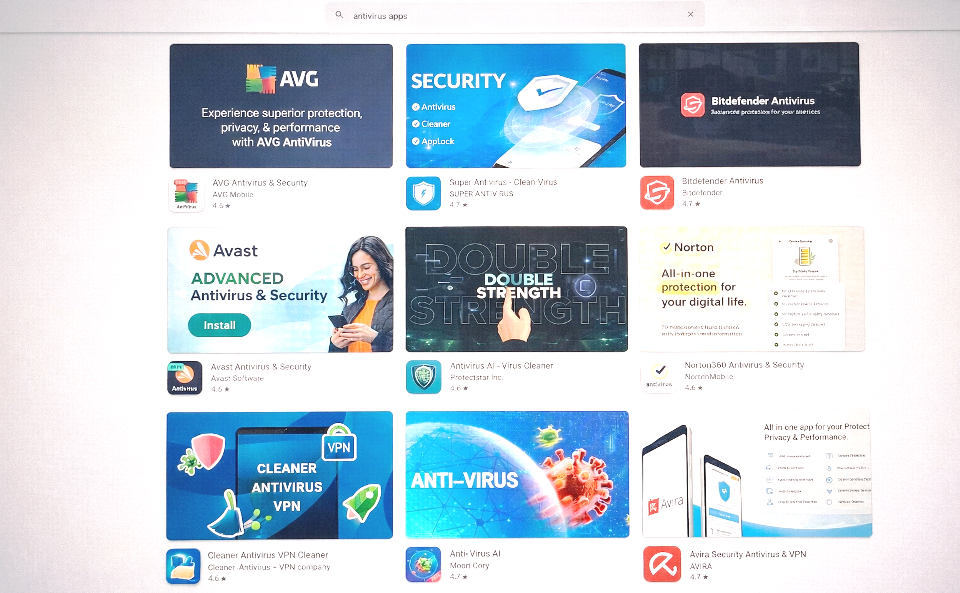
Antivirus apps are highly important when it comes to personal cybersecurity. These apps are designed to detect and block known malware such as viruses, spyware, and malicious applications.
For Android users, who make up the majority of Nigeria’s smartphone market, antivirus software can scan apps, monitor suspicious activities, and warn users about unsafe websites.
Premium versions usually come with extra features like real-time protection and alerts about data breaches. For most users, these tools provide a basic safety net against common digital risks.

The Nature of Cyber Threats Facing Nigerians
Despite this protection, cybercrime is evolving. Global cybersecurity reports show that phishing and social engineering attacks are now among the most common threats worldwide, including in Nigeria.
Locally, scams impersonating banks, fintech platforms, logistics companies, and telecom providers are fast becoming common. These attacks often come through SMS, email, and messaging apps like WhatsApp, making them much harder for antivirus programs to detect.
Why Antivirus Alone is No Longer Enough
Antivirus software cannot fully protect users from deception-based attacks. If someone is tricked into clicking a malicious link or sharing sensitive information, the breach happens at the human level, not the device level.
This problem gets worse by the fact that many Nigerians still use older smartphones that no longer receive security updates. Without an up-to-date operating system, devices remain vulnerable, even with antivirus software installed.
The Need for a Broader Security Approach
Cybersecurity experts now stress that software alone is not enough. Users need to combine tools with smart digital habits.
Basic practices such as using strong, unique passwords, enabling two-factor authentication, downloading apps only from official stores, updating software regularly, and being cautious with unexpected messages, can drastically reduce risk. Personal cybersecurity now depends on user behaviour just as much as technology.
A Balanced View for Nigerian Users in 2026
Antivirus apps are still very necessary in 2026, but they are no longer enough for full protection against cyber threats.
For internet users in Nigeria’s fast-growing digital ecosystem, effective protection now requires a layered approach that combines antivirus software, secure device settings, and basic digital literacy.
With more essential daily activities getting done online, understanding this balance is therefore important for protecting personal data, finances, and digital identities.