


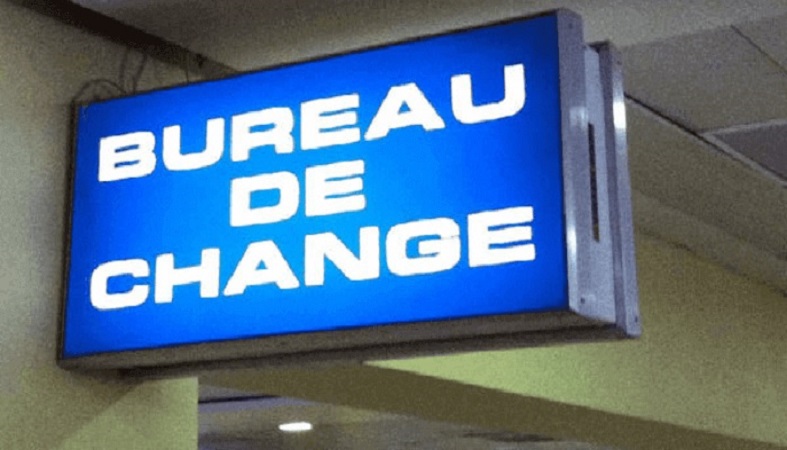
The Central Bank of Nigeria (CBN) has approved approximately 100 new licenses for Bureau De Change (BDC) operators who successfully met the revised minimum capital requirements.
This move marks the first major wave of licensing under the apex bank’s new regulatory framework aimed at sanitizing the fragmented retail foreign exchange market.
The approval follows a rigorous recapitalization exercise where operators were required to significantly upscale their capital buffers to improve liquidity and regulatory oversight.
The New Tiered Structure
Under the new guidelines, the CBN transitioned the BDC sector into a two-tier structure, moving away from the previous one-size-fits-all model.
This reclassification is designed to attract institutional investors and professionalize the trade of retail forex.
Key Requirements for the New Licensees:
- Tier 1 Operators: Required to maintain a minimum capital base of ₦2 billion. They are permitted to operate nationwide and can serve as head offices for branches.
- Tier 2 Operators: Required a minimum capital of ₦500 million. These operators are restricted to a single state but can open up to three branches within that jurisdiction.
- Caution Deposits: Operators also had to provide non-interest-bearing caution deposits ranging from ₦50 million to ₦200 million depending on their tier.
Cleaning Up the Grey Market
Before the recapitalization deadline, Nigeria had over 5,000 registered BDCs, many of which were accused of facilitating illicit financial flows and arbitrage.
By raising the entry barrier from the previous ₦35 million to as high as ₦2 billion, the CBN has effectively consolidated the market.

Expected Market Impacts:
Reduced Fragmentation: Fewer, more capitalized players make it easier for the CBN to monitor transactions and enforce “Know Your Customer” (KYC) compliance.
Price Stability: With Tier-1 operators having larger liquidity pools, the extreme volatility often triggered by “briefcase” operators is expected to subside.
Digital Integration: The new licensees are required to integrate their operations with the CBN’s digital reporting portals, ensuring real-time tracking of forex sales to end-users.
Techeconomy analysts believe that licensing of these 100 new-age BDCs is a clear signal that the CBN is not looking to ban the retail forex trade, but rather to institutionalize it.
For investors, the ₦2 billion capital requirement for Tier-1 status turns BDCs into mini-financial institutions rather than mere currency booths.
However, the real test lies in supply. Even with 100 recapitalized BDCs, if the CBN does not maintain consistent dollar interventions to these operators, the black market (parallel market) will continue to thrive in the shadows of the formal BDC structure.
The market will now be watching to see how the CBN distributes its weekly FX sales among these newly minted Tier-1 and Tier-2 giants.