

ADVERTISEMENT
Tuesday, March 17, 2026
  • Login
Tech | Business | Economy
No Result
View All Result
NEWSLETTER
  • News
  • Tech
    • DisruptiveTECH
    • ConsumerTech
    • How To
    • TechTAINMENT
  • Business
    • BUSINESS SENSE FOR SMEs
    • Telecoms
    • Commerce & Mobility
    • Environment
    • Travel
    • StartUPs
      • Chidiverse
    • TE Insights
    • Security
  • Partners
  • Economy
    • Finance
    • Fintech
    • Digital Assets
    • Personal Finance
    • Insurance
  • Features
    • IndustryINFLUENCERS
    • Guest Writer
    • EventDIARY
    • Editorial
    • Appointment
    • Chidiverse
  • TECHECONOMY TV
  • Apply
  • TBS
  • Advertise
  • News
  • Tech
    • DisruptiveTECH
    • ConsumerTech
    • How To
    • TechTAINMENT
  • Business
    • BUSINESS SENSE FOR SMEs
    • Telecoms
    • Commerce & Mobility
    • Environment
    • Travel
    • StartUPs
      • Chidiverse
    • TE Insights
    • Security
  • Partners
  • Economy
    • Finance
    • Fintech
    • Digital Assets
    • Personal Finance
    • Insurance
  • Features
    • IndustryINFLUENCERS
    • Guest Writer
    • EventDIARY
    • Editorial
    • Appointment
    • Chidiverse
  • TECHECONOMY TV
  • Apply
  • TBS
  • Advertise
No Result
View All Result
Tech | Business | Economy
No Result
View All Result
  • News
  • Tech
  • Business
  • Partners
  • Economy
  • Features
  • TECHECONOMY TV
  • Apply
  • TBS
  • Advertise

Home » Beyond the Transaction: Why Nigeria’s Next Frontier is Financial Architecture

Beyond the Transaction: Why Nigeria’s Next Frontier is Financial Architecture

| By: Obot Essiet Jr.

Techeconomy by Techeconomy
March 17, 2026
in Fintech
Reading Time: 3 mins read
0
Financial architecture by Obot Essiet Jr. -

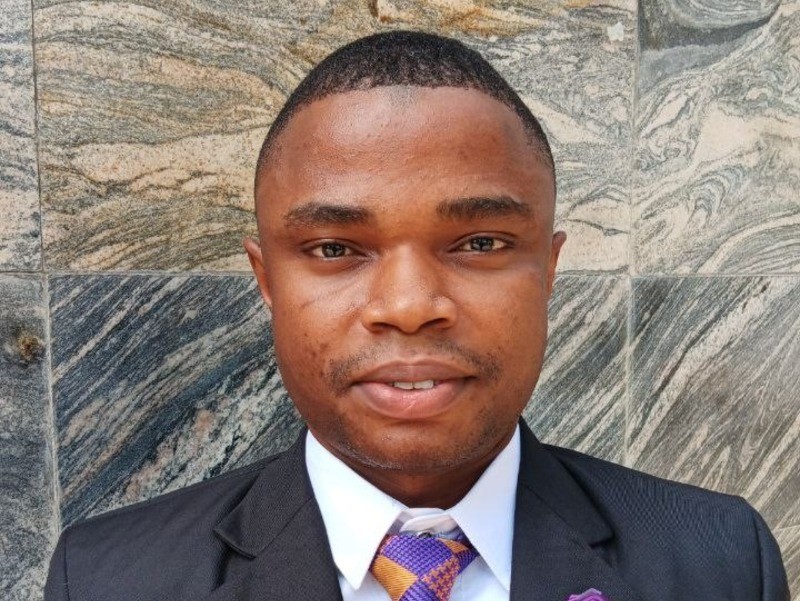
Obot Essiet Jr.

Nigeria’s fintech revolution has been nothing short of a marvel. In less than a decade, we have moved from the frustrations of physical bank queues to a reality where millions of Nigerians can save, invest, and move money at lightning speed from a smartphone.

We have successfully solved the Access problem.

Yet, as a financial intelligence coach, I observe a striking paradox: Nigerians are more financially active than ever, yet many remain structurally fragile.

We are earning and transacting, but we are not necessarily building. The missing link isn’t another app to move money; it is a Financial Operating System to manage it.

The Paradox of Fragmented Success

Across our urban centers, a new struggle has emerged among mid-to-high-level professionals. It is the fragmentation trap.

Subscribe to our Telegram channel for the latest updates.

Follow the latest developments with instant alerts on breaking news, top stories, and trending headlines.

Join Channel

A typical entrepreneur might receive revenue in one bank, save for a vacation in a fintech app, dabble in stocks on a third platform, and use a digital wallet for daily expenses.

Individually, these tools are excellent. Collectively, they are a mess. Because these platforms don’t talk to each other, the user lacks a consolidated view of their financial truth. They see balances, but not net worth.

They see transactions, but not trajectory. In a volatile economy defined by fluctuating exchange rates and inflation, this lack of structure leads to reactive decisions, dipping into business capital for personal emergencies or missing tax obligations simply because they were out of sight.

Enter FinEdTech: Intelligence as Infrastructure

We are entering the era of FinEdTech, the strategic intersection of Financial Education and Technology.

Unlike traditional fintech, which focuses on the speed of the transaction, FinEdTech focuses on the quality of the decision.

Stanbic
Advertisements

The philosophy is simple: financial literacy shouldn’t be a static book you read once; it should be the intelligence layer embedded in your financial tools. It is the shift from a Digital Wallet to a Financial Operating System.

MTN New

Just as a computer’s operating system coordinates various programs to ensure the machine doesn’t crash, a financial operating system coordinates your income, obligations, and assets. It moves the user from hustle, which is often just uncoordinated movement, to structure.

From Theory to Architecture: The Fintel Suite

This shift is the core philosophy behind the Fintel Suite (fintelsuite.com). We realized that African entrepreneurs didn’t need more ways to spend money; they needed a command center to direct it.

The infrastructure beneath such a system isn’t just about showing a balance; it’s about providing a Safe-to-Spend clarity. When a user like Ada, a Lagos-basesd professional, consolidates her fragmented financial life into a single ledger, the psychological shift is immediate. She stops asking, “Do I have money in my account?” and starts asking, “Does this transaction align with my net-worth goals?”

By integrating automated insights with disciplined allocation, we move from being digital historians (looking at what we already spent) to financial architects (planning what we will build).

The National Urgency

For Nigeria, this is more than a personal finance issue; it is a macroeconomic necessity. Resilience in a volatile market is built on the back of transparency.

When individuals and small businesses operate with a clear Financial OS, they are less likely to be wiped out by sudden economic shifts. They become more bankable, more investable, and more stable.

The first wave of fintech gave us the pipes to move money. The second wave must give us the blueprints to keep it. The question for the modern Nigerian is no longer whether they can transact. It is whether they can see, direct, and protect what they earn.

The future belongs not to the most active, but to the most structured. It is time we moved from the hustle of transactions to the power of a unified financial architecture.


Obot Essiet Jr. is the Founder and CEO of Fintel Consulting Limited and the creator of Fintel Suite, a pioneering FinEdTech platform for African professionals.


0Shares

Stanbic
Advertisements
Previous Post

Britannica Sues OpenAI Over Alleged Use of Articles to Train ChatGPT

Next Post

Swedfund Invests $600k in Kenya’s Jacaranda Maternity

Techeconomy

Techeconomy

Next Post
Swedfund Invests $600k in Kenya’s Jacaranda Maternity

Swedfund Invests $600k in Kenya’s Jacaranda Maternity

Leave a Reply Cancel reply

Your email address will not be published. Required fields are marked *

I agree to the Terms & Conditions and Privacy Policy.

This site uses Akismet to reduce spam. Learn how your comment data is processed.

MTN New
Techeconomy Podcast
Techeconomy Podcast

The Techeconomy Podcast is a thought-leadership show exploring the powerful intersection of technology, business, and the economy, with a strong focus on Africa’s fast-evolving digital landscape.

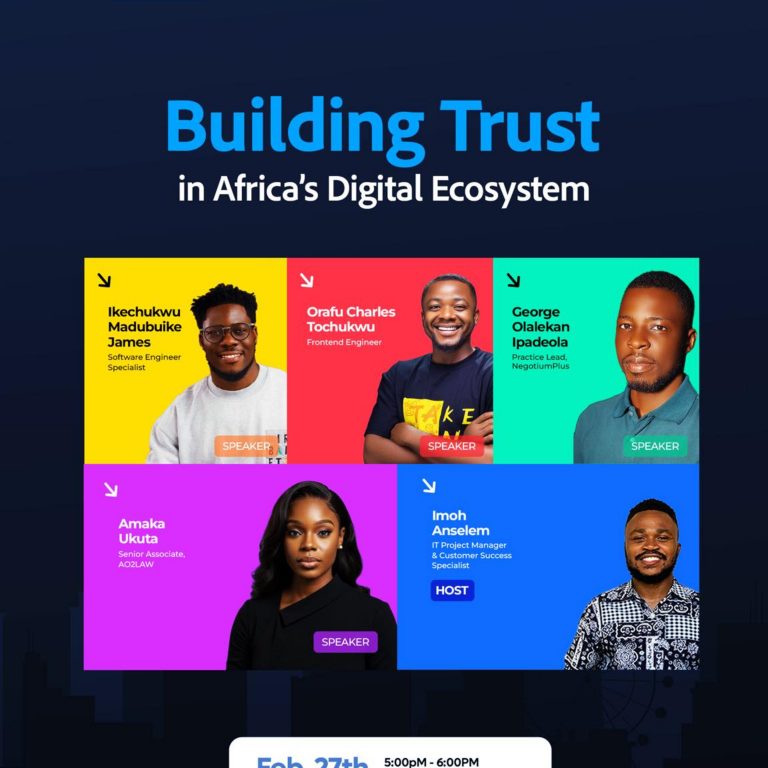
BUILDING TRUST IN AFRICA ECOSYSTEM
byTecheconomy

Africa’s digital economy is growing fast, but growth without trust cannot last.Join us for the February Edition of the Techeconomy Business Series as industry experts explore how trust, security, innovation, and user experience are shaping Africa’s evolving digital ecosystem.

BUILDING TRUST IN AFRICA ECOSYSTEM
February 27, 2026
Techeconomy
Navigating a Career in Tech Sales
January 29, 2026
Techeconomy
How Technology is Transforming Education, Health, and Business
November 27, 2025
Techeconomy
INNOVATION IN MOBILE BANKING
October 30, 2025
Techeconomy
The Rise of AI: Impact on Jobs & Businesses
September 25, 2025
Techeconomy
Search Results placeholder
UBA
Advertisements
Stanbic
Advertisements
  • About Us
  • Careers
  • Contact Us

© 2026 TECHECONOMY.

No Result
View All Result
  • Techeconomy
  • News
  • Technology
  • Business
  • Economy
  • Jobseeker
  • Advertise

© 2026 TECHECONOMY.

Welcome Back!

Login to your account below

Forgotten Password?

Retrieve your password

Please enter your username or email address to reset your password.

Log In
This website uses cookies. By continuing to use this website you are giving consent to cookies being used. Visit our Privacy and Cookie Policy.