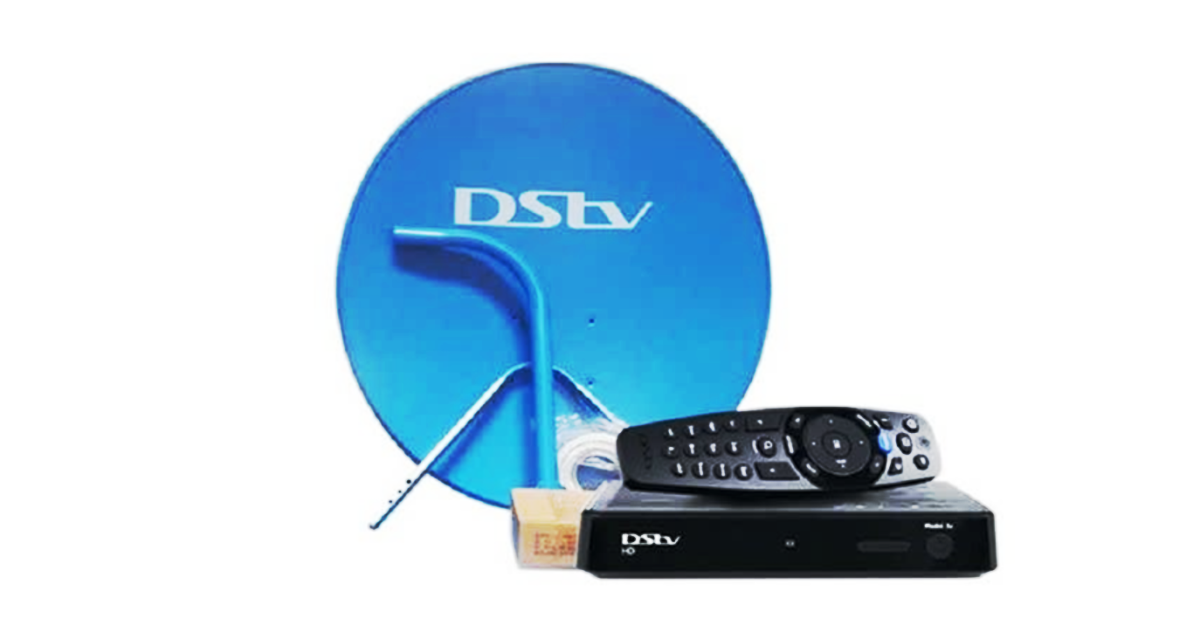
DSTV, the South African direct broadcast satellite service, has long maintained its stranglehold over Nigeria’s television market.
With a wide array of international channels, exclusive sports rights, and premium content offerings, DSTV has become synonymous with quality television in Nigeria.
However, in recent years, the emergence of alternative streaming platforms and shifting consumer preferences have sparked a glimmer of hope for breaking DSTV’s monopoly.
There is need to delve into the challenges faced by local competitors, the influence of government policies, the role of technology, and potential strategies for Nigerian television networks to compete with DSTV.
By examining these factors, we can explore the prospects and possibilities of Nigeria finally breaking free from the clutches of DSTV’s dominance.
While Nigeria boasts a vibrant local television industry, albeit the first in Africa to even have a television network, none have managed to break the stranglehold of DSTV. Despite efforts by local competitors to offer compelling alternatives, DSTV maintains its dominance.
From sports enthusiasts to movie buffs, DSTV has managed to appeal to a broad spectrum of viewers, leaving its competitors struggling to gain a foothold in the market.
In recent years, Nigeria has witnessed the rise of local streaming platforms aiming to challenge DSTV’s supremacy.
These platforms, such as iROKOtv, EbonyLife and OnTV, offer on-demand access to a plethora of locally-produced content.
By catering to the preferences of Nigerian audiences, they hope to chip away at DSTV’s market share. These came after the likes of FSTV, TiTV, HiTV and MyTV all came and crashed in their quest to compete with DSTV.
International streaming giants like Netflix and Amazon Prime Video have also made their presence felt in Nigeria. With their extensive libraries of international content and aggressive marketing strategies, they pose a significant threat to DSTV. Nigerian viewers are embracing these platforms for their diverse range of shows and movies, further challenging DSTV’s monopoly. Though almost all still lack a bite from the big Live Football pie that seems to set them apart.
One of the major challenges faced by local competitors is the complex licensing and regulatory landscape. Navigating the bureaucratic maze to obtain the necessary licenses can be time-consuming and costly and this often puts local platforms at a disadvantage compared to DSTV, which benefits from established relationships and easier access to broadcasting rights.
Another hurdle for local competitors is their limited content acquisition capabilities in acquiring popular international shows, sports and movies can be a costly endeavour, and without a vast budget, local platforms struggle to compete with the vast content libraries offered by DSTV and international streaming giants.
Securing adequate funding and investment is an ongoing struggle for local competitors, while DSTV has the backing of a multinational company, local platforms often face financial constraints. Also limited resources hinder their ability to invest in high-quality content, marketing, and infrastructure, making it difficult to mount a serious challenge to DSTV’s dominance.
It is also common knowledge that Government policies and regulatory frameworks have played a role in perpetuating DSTV’s dominance. Some argue that these frameworks favor the established player, making it harder for local competitors to compete on a level playing field. Calls for regulatory reforms to encourage fair competition have been made, but progress has been slow, and it cant be far from the alleged huge assets DSTV pumps into lobbying ‘PR’ especially to the legislature.
Despite the challenges, there have been efforts by the Nigerian government to promote local content and competition. Initiatives like the Nigerian Broadcasting Commission’s local content quotas aim to ensure that Nigerian productions receive sufficient airtime. Additionally, grants and incentives have been introduced to support local platforms, encouraging a more diverse television landscape.
While DSTV’s stranglehold on Nigeria’s television market remains strong, the emergence of local streaming platforms and international giants, along with government efforts, signal that the tides may be slowly turning. Only time will tell if Nigeria can finally break free from DSTV’s grip and usher in a new era of television viewing.
However, the recent advancements in online streaming technology have undoubtedly played a significant role in disrupting the stranglehold that DSTV has had on the Nigerian market. With faster internet speeds and more reliable connections, consumers now have the option to stream their favorite shows, sports and movies online, eliminating the need for traditional satellite television. At the last count, it is assumed that as much as 23% of television content consumers aged between 15 to 45 years, are more likely to get their television content via online streaming which are almost free or at ridiculously low cost compared to DSTV subscriptions.
Another critical factor in breaking DSTV’s stranglehold is the rise of smart TVs and internet connectivity. Smart TVs allow users to connect to the internet directly, giving them access to a plethora of streaming platforms and online content. This convenience and flexibility have made traditional satellite TV seem outdated and limited in comparison.
One of the primary reasons why DSTV’s dominance is being challenged is the rise of on-demand content consumption through mobile accessibility. With busy schedules and changing lifestyles, consumers now prefer the freedom to watch what they want when they want. Streaming platforms like Netflix and Amazon Prime Video have capitalized on this trend, offering a vast library of on-demand content that can be accessed anytime, anywhere. This accessibility has opened up a whole new world of entertainment options and further eroded DSTV’s monopoly.
But by all indications, one strategy for Nigerian television networks to compete with DSTV is by investing in local content production. Nigerians are craving stories and shows that reflect their own culture and experiences. By creating high-quality local content, these networks can attract more viewers and offer an alternative to the predominantly foreign content offered by DSTV.
While DSTV remains a formidable force in Nigeria’s television market, the rise of alternative streaming platforms, changing consumer preferences, and technological advancements offer glimpses of a potential shift in the landscape. Local competitors, armed with strategic collaborations, investments in local content production, and efforts to enhance user experience, have the opportunity to challenge DSTV’s dominance.
Additionally, government policies aimed at fostering competition and promoting local content can play a significant role in levelling the playing field. As Nigeria continues to embrace digital transformation, the prospects for breaking DSTV’s stranglehold are becoming increasingly tangible. With innovation, collaboration, and a dedicated focus on meeting the evolving needs of Nigerian viewers, the future of television in Nigeria holds the promise of a vibrant, diverse, and competitive market.
Ejiofor Agada, a social/political and technology industry commentator, writes from Abuja (ejiofor.agada@gmail.com).