


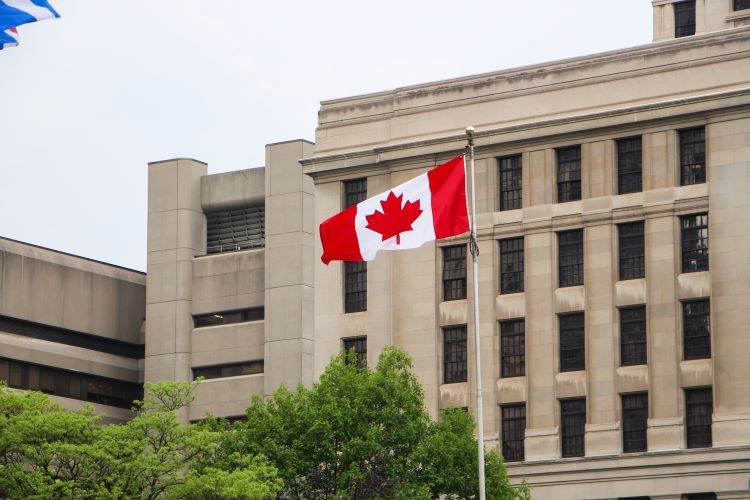
For thousands of Nigerians planning a new life abroad, the dream of Canada just became more expensive.
In a move that signals shifting priorities in its immigration system, Canada has announced increases in fees for permanent residence and citizenship applications, changes that could reshape the financial realities for prospective migrants.
A Dream Repriced
For many Nigerians, relocating to Canada is not just a decision, it is a carefully calculated journey involving years of planning, savings, and sacrifice.
But as of 2026, that journey comes with a higher price tag. The Canadian government confirmed that new fee adjustments will take effect between March and April 2026, affecting applicants across multiple immigration categories, including permanent residency and citizenship.
While the policy applies globally, its ripple effects are particularly significant in Nigeria, where Canada remains one of the most sought-after destinations for migration.
What the Numbers Reveal
Even before the increase, the cost of migrating to Canada was already substantial.
A single applicant, for instance, typically pays around CAD $1,525 for permanent residence processing, excluding additional expenses such as biometrics, medical tests, and language assessments.
Citizenship applications also carry notable costs, with adult applicants paying approximately CAD $649.75.
When combined with other requirements, proof of funds, travel costs, and settlement expenses, the total cost of relocation from Nigeria can range between ₦6 million and ₦25 million, depending on the pathway.
The fee increase, therefore, does not exist in isolation, it compounds an already expensive process.
Who It Affects, and Who it Doesn’t
There is, however, a narrow window of relief.
Applicants who submitted their applications before the new fees take effect will not be impacted by the increase, preserving the costs they originally paid. But for new applicants, the message is clear: timing matters more than ever.

Nigeria’s Migration Reality
The development comes at a time when migration, popularly referred to as “japa”, continues to shape conversations among Nigerian youth and professionals.
Canada, in particular, has remained a top destination due to its structured immigration pathways, economic opportunities, and openness to skilled workers.
With plans to admit hundreds of thousands of new immigrants annually, Canada still needs foreign talent.
However, the rising costs may act as a filter, potentially limiting access for lower-income applicants while favouring those with stronger financial capacity.
Beyond Fees: A Strategic Shift
The increase in fees also reflects a broader recalibration of Canada’s immigration system.
By adjusting costs, the government may be seeking to:
- Manage application volumes
- Improve processing efficiency
- Increase revenue to support immigration infrastructure
For applicants, however, the interpretation is more personal, it raises the bar for entry.
For many Nigerians, the journey to Canada has always required resilience. From writing IELTS exams to gathering proof of funds, the process is as demanding as it is aspirational.
Now, with higher fees, that journey demands even greater financial readiness. Yet, despite the rising costs, the appeal of Canada remains strong.
Because beyond the numbers lies a deeper pursuit, of stability, opportunity, and a better future.
As Canada recalibrates its immigration system, Nigerian applicants must now navigate a more expensive pathway to relocation.
The rules have not changed, but the cost of the dream has. And in a world where migration is increasingly competitive, preparation, timing, and financial strategy will determine who crosses the threshold, and who waits.