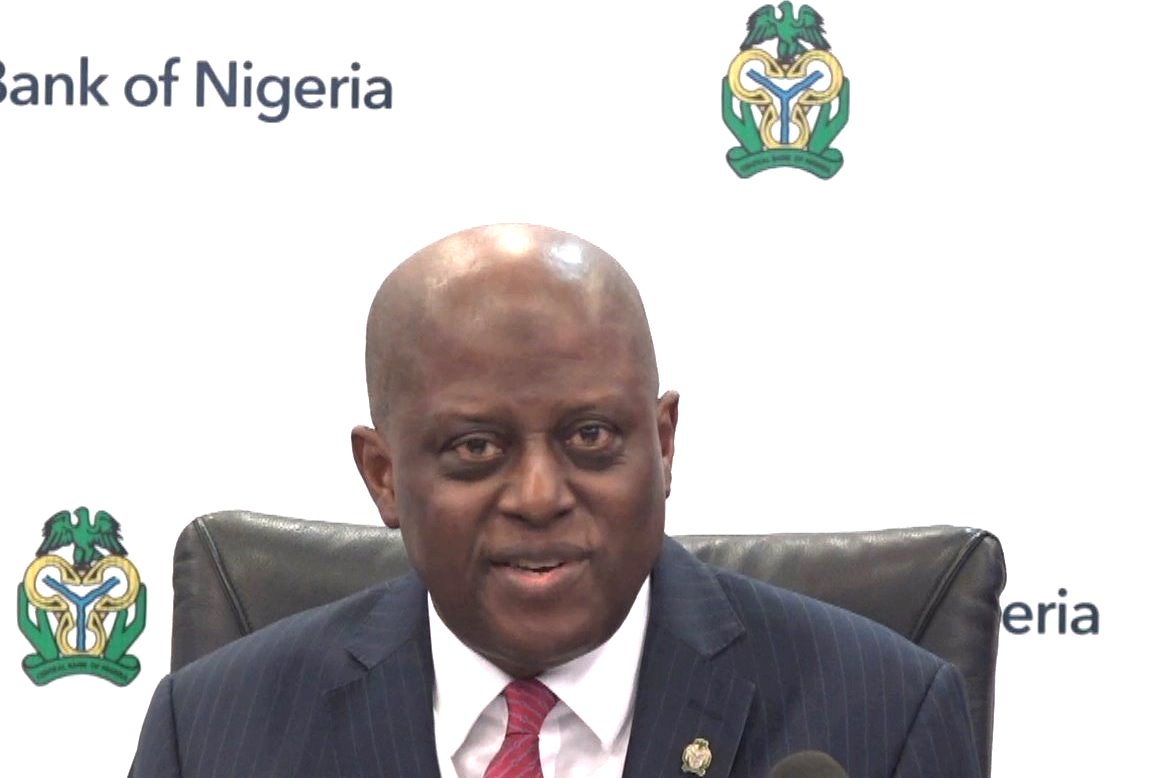
Olayemi Cardoso, governor of the Central Bank of Nigeria, has launched the Payments System Vision 2028 (PSV 2028), a comprehensive reform blueprint that sets out to reshape how Nigerians transact, save, trade, and participate in the digital economy over the next three years.
Speaking at the launch ceremony in Abuja, Cardoso described the document as more than a policy framework, calling it a blueprint for Nigeria’s economic future.
He drew a vivid analogy to frame its significance:
“As the government builds roads, schools, and hospitals, we here must also build the invisible roads that move money.”
The governor said PSV 2028 was built on Nigeria’s two decades of rapid payments transformation, driven by instant payment rails, fintech expansion, and growing digital adoption, and would now push that progress further by strengthening infrastructure, deepening inclusion, supporting innovation, and improving Nigeria’s integration into regional and global payment networks.
He was joined at the event by Sterling Bank CEO Abubakar Suleiman, NIBSS Managing Director Premier Oiwoh, SEC Director-General Emomotimi Agama, and Remita CEO Deremi Atanda, among others.
Cardoso set a clear performance benchmark: by 2028, every Nigerian should be able to “send and receive money faster than they can blink,” eliminating the remaining interoperability gaps and settlement delays across financial platforms.
He also laid out economic ambitions for the framework, stating that PSV 2028 would contribute to GDP growth by reducing transaction costs, improving productivity, and expanding trade flows.
“Nigeria’s payments system vision 2028 is critical to national prosperity,” he said.
But Cardoso reserved his most pointed remarks for the question of execution. He warned against the country’s long-standing start-stop policy cycle, saying that well-crafted documents mean little without consistent follow-through.
“The success of this vision will not be measured by the document, but by execution,” he said, adding that performance measurement and accountability would be central to the reform process. “If we do not measure outcomes, we will lose track.”