



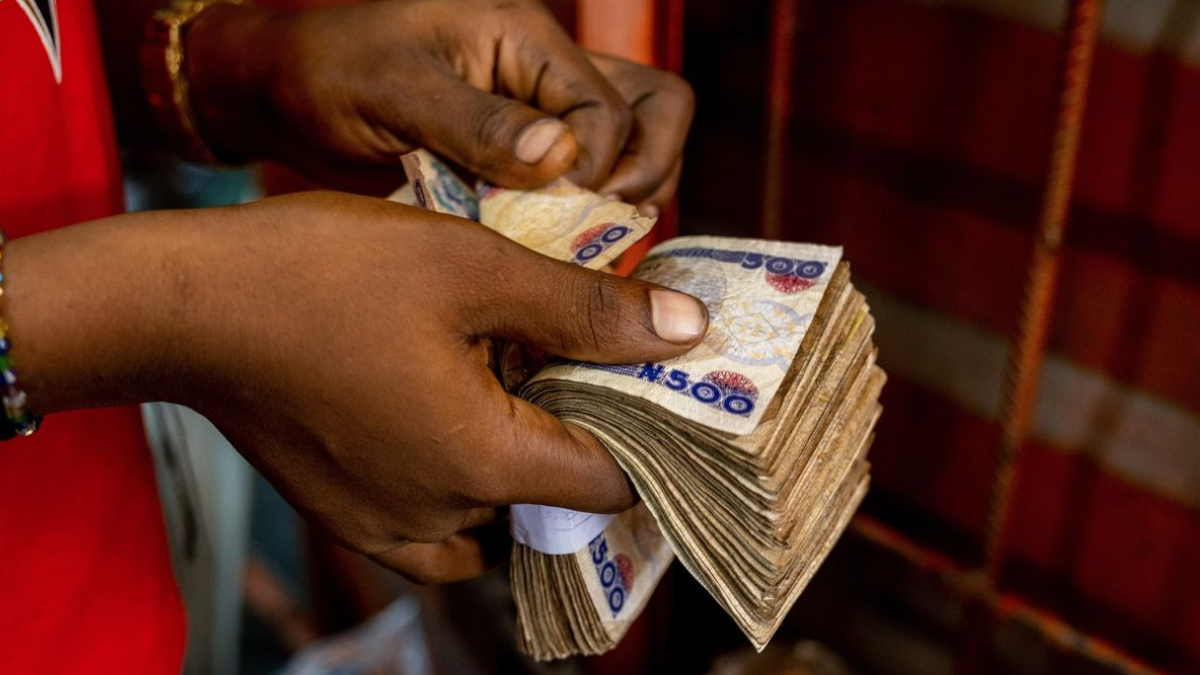
The Central Bank of Nigeria returns to the government securities debt market today, March 18, aiming to raise N1.05 trillion through the Treasury Bills (NTBs).
This latest auction will bring the federal government’s total NTB borrowing to nearly N3 trillion over the past two weeks.
Conducted on behalf of the Debt Management Office (DMO), today’s auction shows the government’s increasing reliance on local investors to fund its operations and manage growing debt obligations.
The Breakdown: What is on Offer Today?
The government is offering three types of Treasury Bills, using the Dutch Auction system where interest rates (yields) are set by investor demand.
- 91-Day Bills: N100 billion
- 182-Day Bills: N150 billion
- 364-Day Bills: N800 billion
The focus on the 364-day (one-year) bills shows both the government and investors favour longer-term commitments, especially as interest rates remain high.
N3 Trillion in Two Weeks: The Timeline
If fully subscribed, today’s auction will bring March’s total NTB borrowing to N2.99 trillion.

- March 4: N1.01 trillion raised (Rates jumped to 16.73% for one-year bills).
- March 11: N933.92 billion raised (Rates remained stable).
- March 18 (Today): N1.05 trillion target.
Experts warn that this isn’t just routine business. It shows a system under pressure. Funds raised are largely to roll over maturing debt and cover the 2026 budget deficit, estimated at N20.12 trillion.
“This is not routine financing. It is a signal of pressure, a signal of urgency, a signal of a system stretched,” said Blakey Okwudili Ijezie, convener of Blakey’s National Economic Conference.
“Interest rates will rise because such volumes cannot be absorbed cheaply. When rates rise, businesses borrow less, expansion slows, and jobs are threatened,” he asserted.
What you should know
Large government borrowing usually drives up rates. While this benefits savers, it increases the cost of loans for businesses and individuals.
Banks may prefer high-yield government bills over lending to small businesses, limiting private sector growth.
Signs of Fiscal Pressure Analysts, including Olubunmi Ayokunle of Agusto & Co., note that delays in releasing capital allocations suggest limited government finances.
“If funds are mainly to roll over maturing obligations, then the net impact on total borrowing may not be as significant as it appears,” said Olubunmi Ayokunle, head of Financial Institutions Ratings at Augusto & Co.
With over 70% of its deficit now funded domestically, the federal government’s borrowing spree is a reminder that the cost of credit for Nigerians is likely to remain high for a while.