



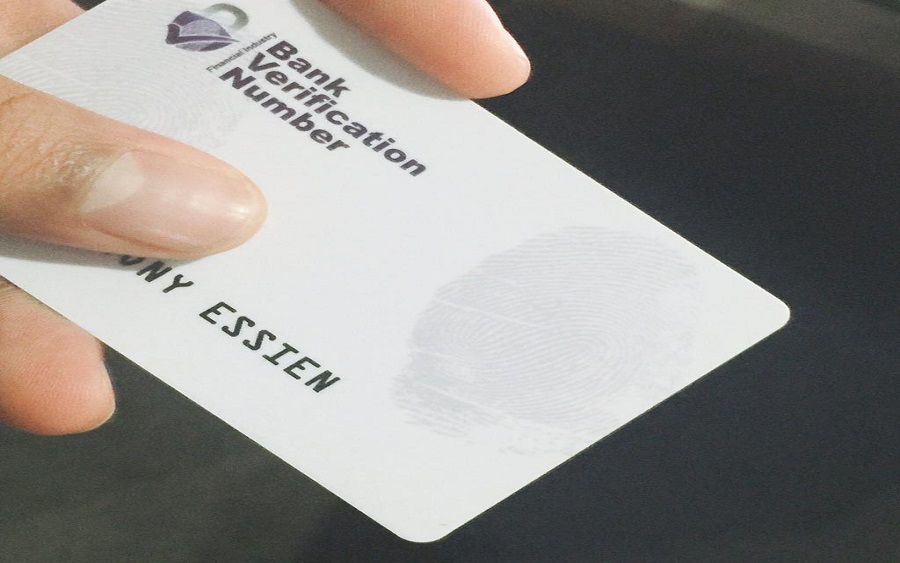
In a strategic move to fortify Nigeria’s ₦600 trillion electronic payment ecosystem, the Central Bank of Nigeria (CBN) has announced a revised regulatory framework for the Bank Verification Number (BVN), introducing stricter age limits and one-time-only data updates.
The new guidelines, set to take effect on May 1, 2026, mark the end of the era of flexible identity modification.
By restricting BVN enrollment to individuals aged 18 and above and limiting phone number changes to a single instance, the apex bank is directly targeting the identity looping tactics used by fraudsters to mask illicit transactions.
The New Rulebook: What is Changing?
The Age Gate: BVN enrollment is now strictly for adults (18+), ensuring that the biometric database is populated by individuals with full legal accountability.
The Single Update Clause: Customers can only change the phone number linked to their BVN once. This closes a major loophole where fraudsters repeatedly updated contact details to intercept One-Time Passwords (OTPs).
The 24-Hour Watchlist: Financial institutions must now implement a temporary flag system. Any BVN linked to a suspicious transaction can be restricted for up to 24 hours, requiring the customer to provide immediate verification before further movement of funds.
Centralized Data Sovereignty: The CBN is asserting exclusive control over the BVN database, granting limited access only to licensed entities under strict security protocols.
Tracing Similarities: The Global War on Synthetic Identity
Nigeria’s move mirrors a global trend where regulators are moving away from knowledge-based authentication (passwords) toward biometric-locked identities.

India’s Aadhaar System: Much like the BVN, India’s Aadhaar, the world’s largest biometric ID system, introduced the Virtual ID (VID) and strict biometric locking features.
This was done to prevent Identity Cloning, which had previously cost the Indian economy billions in welfare leakage and banking fraud.
The UK’s Confirmation of Payee (CoP): The CBN’s 24-hour watchlist strategy shares DNA with the UK’s CoP and APP Fraud (Authorised Push Payment) regulations. In the UK, banks use real-time data sharing to flag discrepancies between a name and an account number before the money leaves the sender’s account.
Brazil’s PIX Security Brackets: To curb Express Kidnappings and digital theft, Brazil’s central bank introduced Nighttime Limits and stricter biometric triggers for high-value transfers.
The CBN’s new restrictions on data updates follow this logic: adding friction to the system to protect the user.
For the Nigerian tech ecosystem, these friction-heavy rules are a necessary evil. As Nigeria’s fintech sector matures, the cost of fraud, estimated to have the potential to hit ₦1.2 trillion annually if left unchecked, becomes a barrier to international investment.
By aligning BVN rules with Tier-1 global standards, the CBN is not just stopping fraud; it is increasing the trust quotient of the Nigerian Naira in the global digital economy.
For startups, this means more robust KYC (Know Your Customer) data, and for consumers, it means a safer, albeit more disciplined, banking experience.