

ADVERTISEMENT
Thursday, June 11, 2026
Tech | Business | Economy
No Result
View All Result
  • Technology
    • Trends
    • Telecoms
      • Broadband
    • ConsumerTech
      • Gadgets and Appliances
      • Apps
      • Accessories
      • Reviews
      • Unboxing
    • EnterpriseTECH
    • Security & Data Protection
    • How To
  • Business
    • Company News
    • StartUPs
      • Founder’s Story
      • Funding
    • Deals
    • People & Moves
    • SME & Entrepreneur Focus
    • BUSINESS SENSE FOR SMEs
    • Competition & Market Positioning
    • Commerce & Mobility
    • Travel
    • WomenPreneurs
  • Economy
    • Macroeconomic Trends
      • Macro Monday
      • TE Insights
    • Finance
      • Banks
      • Fintech
      • Insurance
      • Digital Assets
      • Personal Finance
    • Policies
      • Tech & Society
    • Market Analysis
    • Jobs & Workforce Economy
  • Features
    • Guest Writer
      • Chidiverse
      • Digital Assets
      • GameTech
    • EventDIARY
    • IndustryINFLUENCERS
    • MarkTECH
    • TBS
    • NewsEXTRA
  • Editorial
  • Brand Content
  • TECHECONOMY TV
Thursday, June 11, 2026
Tech | Business | Economy
No Result
View All Result
Tech | Business | Economy
No Result
View All Result

Home » Nigeria: Minister Gives ‘Vague Assurances’ as Power Generation Down to 4,000MW Amid Gas Crisis

Nigeria: Minister Gives ‘Vague Assurances’ as Power Generation Down to 4,000MW Amid Gas Crisis

Techeconomy by Techeconomy
March 20, 2026
in Company News
Reading Time: 2 mins read
0
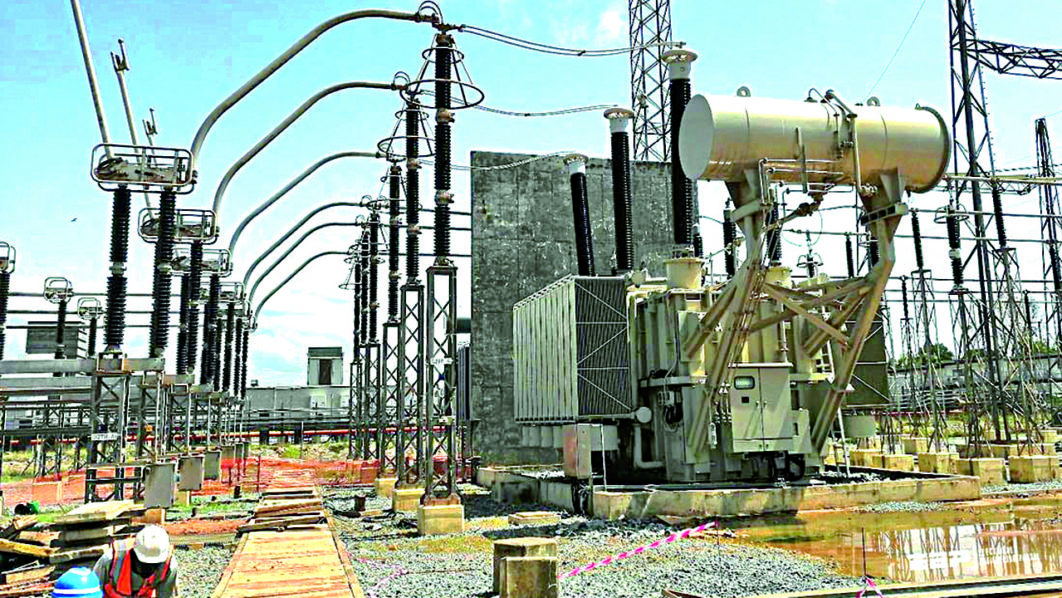
Nigeria power generation

Power generation in Nigeria

Despite a deepening energy crisis that has seen national power generation crash to 3,940MW, Adebayo Adelabu, the minister of Power, has offered optimism without a clear roadmap for resolving the systemic gas shortages crippling the sector.

In an Eid al-Fitr message released on Thursday, the Minister assured Nigerians that the Federal Government is implementing decisive steps to address the upstream constraints and infrastructure gaps hindering Generation Companies (GenCos).

However, the statement conspicuously lacked specific timelines, budgetary allocations, or policy shifts needed to clear the sector’s mounting legacy debts.

The Data Adelabu Didn’t Address

For the organized private sector and tech hubs that rely on stable power, the numbers tell a more urgent story than the official rhetoric:

Thermal plants, which provide 70% of Nigeria’s electricity, are currently receiving less than 43% of their required gas volumes.

Subscribe to our Telegram channel for the latest updates.

Follow the latest developments with instant alerts on breaking news, top stories, and trending headlines.

Join Channel

The industry is currently suffocating under a ₦10.1 trillion total debt, including ₦3.3 trillion owed directly to gas suppliers and ₦6.8 trillion owed to GenCos by the government and NBET.

Also, supply from the Nigerian Independent System Operator (NISO) dropped from 4,300MW in February to a precarious 3,940MW in March 2026.

Reforms Taking Root vs. Operational Reality

Minister Adelabu stated that reforms initiated by President Tinubu are beginning to take root and that Nigerians would soon witness the full benefits.

Industry watchers believe that while he highlighted the President’s recent engagements in the UK as milestones for future investment, Adelabu did not clarify how these international talks would solve the immediate local issue of vandalism and upstream gas constraints.

For GenCos, the reality remains one of forced outages. Many plants are currently stranded at just 40% capacity, despite a national potential of over 13,000MW.

Without a concrete plan to pay down the ₦3.3 trillion gas debt, suppliers remain reluctant to increase volumes, regardless of ministerial assurances.

The Cost of Silence

The lack of specifics is particularly concerning for Nigeria’s digital economy. As small businesses and tech startups face higher backup power costs due to unreliable grid supply, the absence of a transparent Energy Recovery Plan makes long-term capital planning nearly impossible.

While the Minister has called for patience and collective sacrifice, the business community is increasingly calling for a data-driven breakdown of how the government intends to de-risk the gas-to-power value chain in 2026.


0Shares
Previous Post

NBS: Nigeria Spent ₦8.96 Trillion on Petrol Imports in 2025 Despite Dangote Refinery Output

Next Post

CBN Tightens BVN Governance | Nigeria Joins Global Tier-1 Tech Standards to Curb ₦1.2tn Fraud Risk

Techeconomy

Techeconomy

Related Posts

Lagos SHIP and Invest Lagos 3.0 by Interswitch (1)

Invest Lagos 3.0: Interswitch Highlights Lagos SHIP as Forward-thinking PPP

June 10, 2026
Ghana Energy Challenge

Ghana’s Energy Challenges: Is it ‘Déjà Vu’ All Over Again?

June 9, 2026

Reel Foundation and Partner Conclude Ultimate Mind Challenge 2.0

June 8, 2026
Load More
Next Post
BVN enrolment in Nigeria

CBN Tightens BVN Governance | Nigeria Joins Global Tier-1 Tech Standards to Curb ₦1.2tn Fraud Risk

Leave a Reply Cancel reply

Your email address will not be published. Required fields are marked *

I agree to the Terms & Conditions and Privacy Policy.

This site uses Akismet to reduce spam. Learn how your comment data is processed.

Techeconomy Podcast
Techeconomy Podcast

The Techeconomy Podcast is a thought-leadership show exploring the powerful intersection of technology, business, and the economy, with a strong focus on Africa’s fast-evolving digital landscape.

Financing the Future: Venture Debt, Local Capital & African Innovation | TBS May 2026 Webinar
byTecheconomy

Africa’s innovation ecosystem is evolving, but where will the funding for the next generation of startups come from?

In this edition of the Techeconomy Business Series (TBS) May 2026, industry experts explore how local capital, venture debt, and smarter investment structures are redefining startup growth and innovation across Africa.

🎙️ Featured Speakers:

* Ebunoluwa Ashley-Dejo

* Damilare Davola

* Success Ajilore (STN & Accelerated Plus)

Key conversations in this webinar include:

✔️ The future of startup financing in Africa

✔️ Venture debt and alternative funding models

✔️ The role of local investors in scaling innovation

✔️ Sustainable investment strategies for African startups

✔️ Opportunities and challenges in the African tech ecosystem

Subscribe for more conversations shaping Africa’s digital economy and innovation landscape.

#TBS2026 #AfricanInnovation #VentureDebt #StartupFinance #TechInAfrica #Techeconomy #AfricanStartups #InnovationEconomy

Financing the Future: Venture Debt, Local Capital & African Innovation | TBS May 2026 Webinar
May 27, 2026
Techeconomy
PROTECTING INNOVATION IN AFRICA’S STARTUP ECOSYSTEM
April 29, 2026
Techeconomy
BUILDING TRUST IN AFRICA ECOSYSTEM
February 27, 2026
Techeconomy
Navigating a Career in Tech Sales
January 29, 2026
Techeconomy
How Technology is Transforming Education, Health, and Business
November 27, 2025
Techeconomy
Search Results placeholder
MTN Live It 100 Thematic Campaign
ADVERTISEMENT
  • About Us
  • Careers
  • Contact Us
  • Privacy Policy

© 2026 TECHECONOMY.

No Result
View All Result
  • Technology
  • Business
  • Economy
  • Features
  • Editorial
  • Brand Content
  • TECHECONOMY TV

© 2026 TECHECONOMY.

This website uses cookies. By continuing to use this website you are giving consent to cookies being used. Visit our Privacy and Cookie Policy.

