



In February 2026, consumer prices in the United States rose 2.4% year-on-year, with core inflation at 2.5%, according to the latest CPI data.
This shows inflation cooling but still above the policy target that monetary authorities consider fully stable.
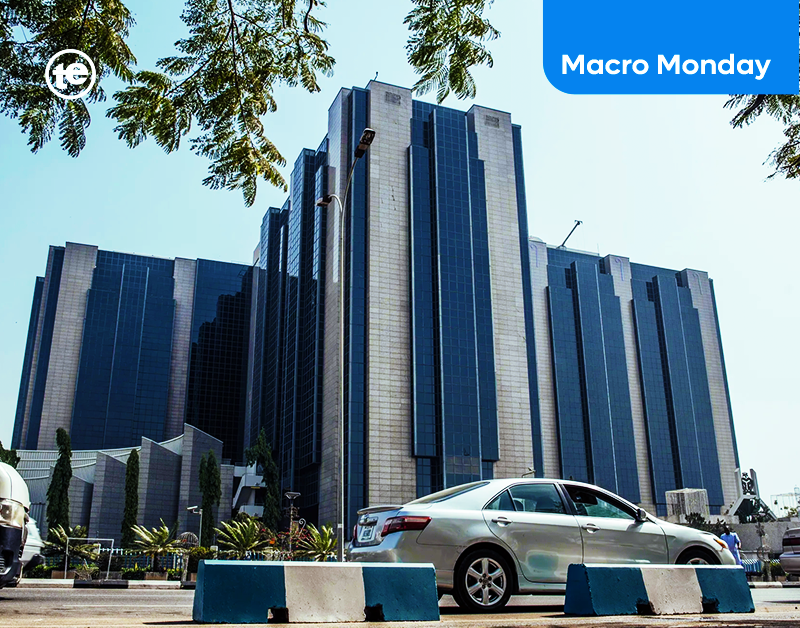
At the same time, Nigeria’s benchmark interest rate stands at 26.5% after the central bank trimmed it by 50 basis points in February, aiming to support growth while inflation begins to ease.
Looking from the perspective of a global macro moment, inflation is no longer running out of control, but it has not disappeared either. Central banks are now in a narrow corridor between being alert and being relieved.
So the important point for markets to consider this week is whether central banks are preparing to pivot, only pausing, or settling into a prolonged period of restrictive policy.
The Global Monetary Policy Sector
Across developed economies, monetary policy has entered a more complicated phase, with a tough cycle that began after the inflation shock of the early 2020s has largely stopped. But the expected rapid shift towards rate cuts has not arrived.
The discussion is now centred on timing.
In the United States, regulators are still balancing two conflicting issues. Inflation has cooled significantly from its earlier peaks, but several price categories are still stubborn. Housing expenses, medical services and utilities push core inflation higher even as energy prices fluctuate.
Markets have also become more cautious about expecting aggressive rate cuts. Investors now believe there may be only one or two small reductions this year, far fewer than earlier forecasts.
This is globally important, as monetary policy in the United States affects capital flows, borrowing costs and currency stability across much of the world.
Meanwhile, the global inflation environment is uneven. Across developed economies, headline inflation within the OECD slowed to about 3.3% at the start of 2026, a decline from the previous month but still above the levels central banks consider comfortable.
In short, inflation is falling, but not quickly enough to allow policymakers to relax fully.
Nigeria’s Policy Balancing Act
The challenge is even more in frontier and emerging markets.
The Central Bank of Nigeria recently lowered its benchmark interest rate to 26.5%, showing assurance that inflation pressures may gradually ease.
Even so, the cost of borrowing is still extremely high and the reason? Policymakers are trying to achieve three objectives at once:
- stabilise inflation
- support economic activity
- maintain currency stability
Achieving all three simultaneously is rarely possible.
Nigeria’s inflation rate is still above 15%, and the exchange rate influences domestic prices through imported goods and costs of energy.
This is the central dilemma facing many emerging economies. They cannot ease policy too quickly because capital flows are sensitive to interest-rate differences between countries. If global rates stay high, funds tend to move towards advanced markets where returns are perceived to be safer.
The Inflation Problem That Has Not Fully Disappeared
Although headline inflation has fallen across many economies, several forces keep prices elevated.
The first is energy.
Oil markets are sensitive to geopolitical tensions and supply decisions. When crude prices jump, costs of transport and manufacturing quickly increase. That effect spreads through the economy.
Second, services inflation are sticky, wages have increased in many sectors since the pandemic years, and labour markets have not fully loosened.
Third, parts of the global economy are experiencing structural inflation. Supply chains are changing, countries are investing in domestic manufacturing capacity and trade policies are becoming more protectionist.
These forces make inflation slower to decline than many economists expected two years ago.

The Growth Question
While inflation is easing slowly, economic growth is also showing signs of fatigue.
Higher costs of borrowing have begun to influence business investment decisions. Companies are delaying expansion plans or financing them more carefully. Households are also adjusting their spending behaviour.
Unemployment in the United States has edged up to around 4.4%, showing a gradual cooling in the labour market.
Central banks, therefore, face a classic policy trap, and if they keep rates too high for too long, economic growth could slow even more. If they cut rates too soon, inflation may return.
That trade-off explains the cautious tone in monetary policy discussions worldwide.
What Financial Markets Are Showing
Financial markets usually anticipate policy changes before central banks act.
Bond markets have already adjusted expectations. Long-term yields have been relatively elevated because investors believe interest rates may stay higher for longer than previously assumed.
Again, interest-rate differences between countries are affecting capital flows and exchange-rate movements.
For emerging markets, this is especially important because when developed economies maintain high interest rates, global investors move funds away from riskier assets towards safer government bonds.
The result can be currency pressure and tough financial situations in developing economies.
Why it is important for Emerging and Frontier Economies
For countries like Nigeria, global interest-rate cycles carry significant consequences and higher global rates tend to produce three effects.
First, capital flows shift towards developed markets. That reduces foreign investment in emerging economies.
Second, currencies may weaken as investors search for higher returns elsewhere.
Third, debt servicing costs increase, particularly for countries that borrow in foreign currencies.
This is why monetary policy decisions in economies ripple far beyond their borders.
Three Possible Paths for 2026
The global monetary policy cycle could evolve in several ways.
Scenario one: the pivot.
If inflation falls more quickly than expected and economic growth weakens, central banks may begin a gradual rate-cutting cycle.
Scenario two: the pause.
Inflation declines slowly but stays above target. Regulators hold rates steady for longer than markets expected.
Scenario three: higher for longer.
Energy shocks, wage pressures or geopolitical disruptions push inflation back up, forcing central banks to maintain restrictive policy for several more years.
At the moment, the second scenario appears most consistent with current data.
The Macro Question
From my perspective, the central issue isn’t about inflation l falling or not.
It probably will.
The issue is whether the world has entered a period where interest rates settle at structurally higher levels than the ultra-low era that followed the global financial crisis.
If that happens, the implications are wide-ranging. Asset prices, government borrowing, corporate investment and currency markets would all need to adjust to a new financial environment.