

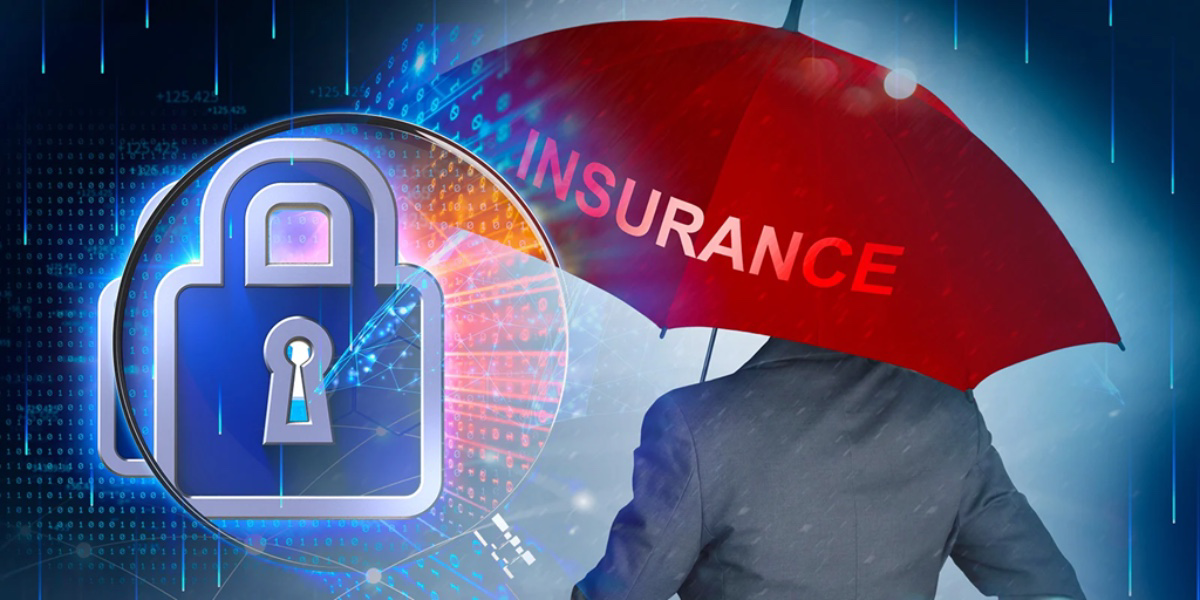
The steady growth in AI-powered scams has pushed more companies towards cyber insurance, with new data showing that it has quickly shifted from an optional safeguard to a routine part of business risk management.
Heimdal Security reveals that 62% of organisations now hold a cyber insurance policy, a steep growth from the previous year. This shows that attacks are moving faster, and firms are working to protect themselves before they are hit.
Danny Mitchell, cybersecurity writer at Heimdal Security, said: “Cyber insurance is no longer seen as optional; it’s fast becoming a cornerstone of modern business resilience.”
A Growing Market Facing New Challenges
The global cyber insurance market has reached $20.56 billion in 2025. Growth is no longer explosive, but the market’s size shows how deeply embedded insurance has become.
Premiums dipped over the past two years, but analysts expect them to rise again in 2026 as AI-enabled attacks grow more aggressive.
Mitchell explains this change: “We’ve reached a point where insurers finally understand cyber risk at scale. Prices dipped because claims fell, but as AI makes attacks faster and more targeted, expect those savings to disappear. What you save today on premiums could cost ten times more in the next data breach.”
Adoption Gaps Between Large and Small Firms
The uptake differs by region and company size. Some international studies report that large companies lead adoption, however, UK government findings disclose the opposite, small and medium-sized firms appear more eager to insure themselves than big corporations.
“Smaller firms recognise that one successful attack could shut them down entirely; they need insurance to back them up. Larger organisations often have internal teams and feel self-sufficient. But cybercriminals don’t discriminate by company size; they follow the path of least resistance,” Mitchell said.
AI Scams Drive Rising Demand
The most damaging attacks now come from AI-driven phishing, ransomware, and business email compromise. Ransomware alone accounts for 60% of major claims, with the manufacturing sector reporting the highest share this year.
Mitchell notes the shift in threat patterns: “You no longer need a genius hacker to pull off a multi-million dollar breach. Anyone with access to AI tools can replicate authentic emails or voices in seconds.”

Regulators are also bolstering expectations, pushing sectors like healthcare, finance and manufacturing to treat cyber insurance as part of compliance rather than convenience.
The Cost of Staying Uninsured
Average claim sizes have reached $115,000 globally, though some countries face far higher losses. For certain industries, individual ransomware incidents now exceed $631,000, making insurance a financial cushion that many businesses can no longer ignore.
Mitchell says the hidden costs usually go beyond the obvious ones: “A single attack can trigger legal fees, ransom payments, data restoration, and weeks of downtime. Cyber insurance gives businesses a fighting chance to recover, covering the damage while they rebuild operations.”
What Policies Actually Cover
Standard policies typically include support for legal fees, forensic investigations, data recovery, business interruption, and ransom payments.
But Mitchell warns firms not to assume full protection: “Some policies exclude social engineering, the very type of attack behind most major breaches. We still see businesses shocked to learn that a phishing attack isn’t fully covered because it was labelled ‘human error’.”
Why the Investment Pays Off
Studies from insurers show that companies with cyber insurance tend to experience fewer severe losses over time, partly because insurers demand better security practices.
Noting the linkage, Mitchell said: “Companies that invest in cyber insurance are often more security-aware. They tend to also invest in better defences, employee training, and regular audits. Insurance and prevention go hand in hand.”
A Final Warning for 2025
“Cyber insurance was once an afterthought, but today, it’s a strategic pillar of risk management. As cyber threats grow more sophisticated and regulations become more demanding, having coverage signals not only preparedness but also professional credibility.
“Whether you’re a start-up or a multinational, you’re operating in a digital battlefield where attackers are faster, smarter, and often automated. Insurance isn’t a silver bullet, but it gives you breathing room when the worst happens.
“My advice to businesses is simple: pair strong cybersecurity defences with a well-structured insurance policy. Don’t wait for an attack to expose the gaps. Proactivity is the only real protection left in 2025.”