- Naira Holds Near ₦1,382/$ at Official Market as FX Reforms Support Stability
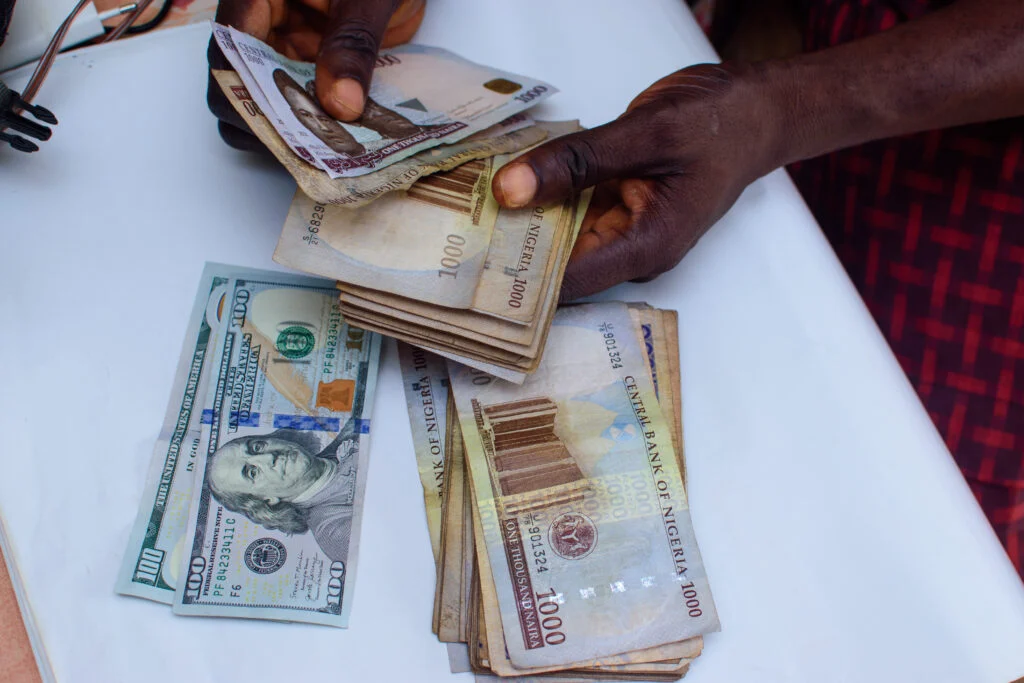
The Nigerian naira traded around ₦1,382 to the US dollar at the official Nigerian Foreign Exchange Market (NFEM) on Wednesday, maintaining relative stability despite continued demand for foreign exchange.
The latest data indicates only a marginal movement from the previous trading session, underscoring the Central Bank of Nigeria’s (CBN) efforts to sustain liquidity and orderly market conditions.
According to figures published by the CBN, the official exchange rate remained close to ₦1,382/$, reflecting a slight depreciation from the previous close of approximately ₦1,380.50/$. The NFEM rate is determined using a volume-weighted average of completed transactions across the official market.
In the parallel market, the naira continued to trade at a premium to the official rate, although the spread has narrowed considerably compared with previous months as reforms introduced by monetary authorities improve price discovery and liquidity.
FX reforms continue to support the naira
Market analysts attribute the currency’s relative stability to ongoing foreign exchange reforms, increased transparency in the official market and periodic interventions by the Central Bank.
Recent market assessments also suggest the naira has benefited from improved foreign currency inflows and attractive yields on government securities, helping to moderate volatility despite global economic uncertainties.
However, analysts caution that pressures remain, particularly from import demand and rising energy costs. The recent decision by the Dangote Petroleum Refinery to price locally sold refined petroleum products in US dollars could also increase demand for foreign currency among downstream marketers.
What businesses should watch
Businesses, importers and investors are expected to keep a close watch on:
- CBN foreign exchange policy decisions.
- Oil price movements and export earnings.
- Foreign portfolio investment inflows.
- Inflation and domestic liquidity conditions.
- Global monetary policy, particularly actions by the U.S. Federal Reserve.
While the naira has shown greater resilience in recent weeks, economists say sustaining stability will depend on continued improvements in dollar supply, stronger non-oil exports and consistent implementation of Nigeria’s ongoing economic reforms.