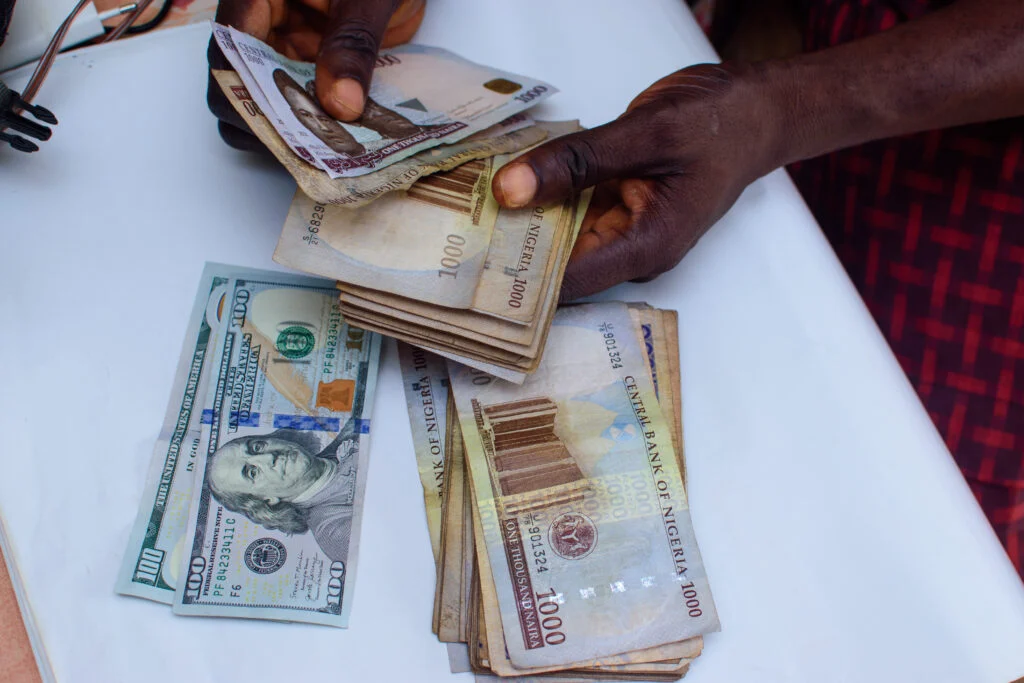
The Nigerian Naira maintained a stable trajectory against the United States Dollar on Friday, May 29, 2026, across both the official Nigerian Foreign Exchange Market (NFEM) and the parallel market, underpinned by sustained liquidity support and regulatory oversight.
Data from the Central Bank of Nigeria (CBN) confirmed that the dollar traded at a volume-weighted average rate of ₦1,375.41 at the official NFEM window, indicating horizontal consolidation from preceding sessions.
This stability points to the positive impact of improved foreign exchange inflows and strategic central bank interventions designed to clear outstanding demand backlogs.
In the parallel market, trading activity mirrored this stability. The greenback exchanged at an average buying rate of ₦1,378 and a selling rate of ₦1,390.
Notably, the premium between the official and unofficial windows remains historically narrow. Financial analysts attribute this convergence to enhanced systemic liquidity and a visible rebound in market confidence, which has effectively curbed speculative hoarding.
Market Dynamics and Supply Outlook
Despite the equilibrium, currency traders report that aggregate demand pressure from key economic segments, predominantly manufacturers, technology firms sourcing software licenses, and essential importers, remains robust.
Recent macro trading patterns indicate that the local currency has established a dependable support level, fluctuating within a tight corridor of ₦1,360 to ₦1,390 per dollar across both markets.
For corporate planners and stakeholders in the digital economy, this ongoing stabilization provides a much-needed window for predictable operational budgeting, even as market participants closely monitor the sustainability of the CBN’s supply-side interventions in the coming weeks.