


The first quarter of 2026 has not ended, but Nigeria’s national grid has already collapsed several times, including major outages toward the last days of January, leaving millions of homes and businesses without electricity.
The repeated system failures have once again drawn attention to the country’s long-standing power generation and transmission challenges.
Although Nigeria has an installed capacity estimated at between 12,000MW and 13,500MW, actual power generation often averages around 5,000MW. The highest output ever recorded on the grid was 5,801.84MW on March 4, 2025.
This gap between capacity and delivery means that many households receive only six to seven hours of electricity daily.
In a few locations, power supply can stretch to as much as 20 hours, but those areas are usually subject to higher tariffs that stay out of reach for most Nigerians.
Frequent outages and unstable voltage have driven homes and businesses to rely heavily on alternative energy sources such as petrol and diesel generators, inverters and solar systems.
For device makers and consumers, this has drawn attention to technology that can overcome Nigeria’s power conditions, with efficiency, durability and flexibility now key selling points
What “Power-efficient” Devices Look Like
Power-efficient devices are designed to consume less electricity and remain stable despite voltage fluctuations.
Many gadgets are built to operate within wide voltage ranges usually between 90V and 300V, and include surge protection to prevent damage when power is restored after an outage.
Others include internal or are compatible with inverters and solar setups, allowing them to still be used when the grid fails.
Devices Built for Nigeria’s Power Reality
Smartphones with Extended Battery Life:
Smartphones are the most widely used gadgets in the country, with brands such as TECNO, Infinix, Samsung and itel now producing models with batteries of 5,000mAh and above, paired with power-efficient processors that can deliver over 10 hours of use.
Fast-charging features also help users top up devices quickly when power is available, even with fluctuating supply. Some models adjust battery performance during voltage changes, helping users stay connected for work, communication and online services during long blackouts.
Laptops Designed for Power Reliability:
Laptop makers have also focused more on battery life and smart power management. Models from HP, Lenovo, Dell and Microsoft’s Surface lineup now provide between eight and 12 hours of battery life, along with fast-charging support.

These laptops are also more tolerant of voltage fluctuations and work well with inverters and solar systems, making them suitable for students, remote workers and professionals who regularly deal with power interruptions.
Routers and Networking Devices:
Internet connectivity usually suffers the moment electricity goes off. To address this, some routers now include small built-in batteries or support low-power operation.
Devices from brands like TP-Link and Huawei consume less than 10 watts in many cases and come with surge protection.
Several models support DC input, Power-over-Ethernet or small UPS and inverter setups, allowing internet connections to stay active longer during outages in homes and small offices.
Televisions and Home Entertainment:
Modern LED and smart TVs, especially inverter-supported models from LG, Samsung, Hisense, and TCL, are designed to consume less power and operate across different voltage ranges. Common sizes from 32 to 55 inches now come with low standby power and quick recovery after outages.
Appliances with Inverter Technology
Refrigerators and air conditioners with inverter technology are becoming more common in Nigerian homes. These appliances adjust power usage based on demand, reducing energy consumption by up to 30 to 40%.
They are also better suited to unstable supply, avoiding frequent restarts and reducing the risk of damage from voltage swings.
As a result, they perform more reliably on inverter and solar backups, while cutting fuel costs and noise from generators.
Solar-Compatible and DC-Powered Devices
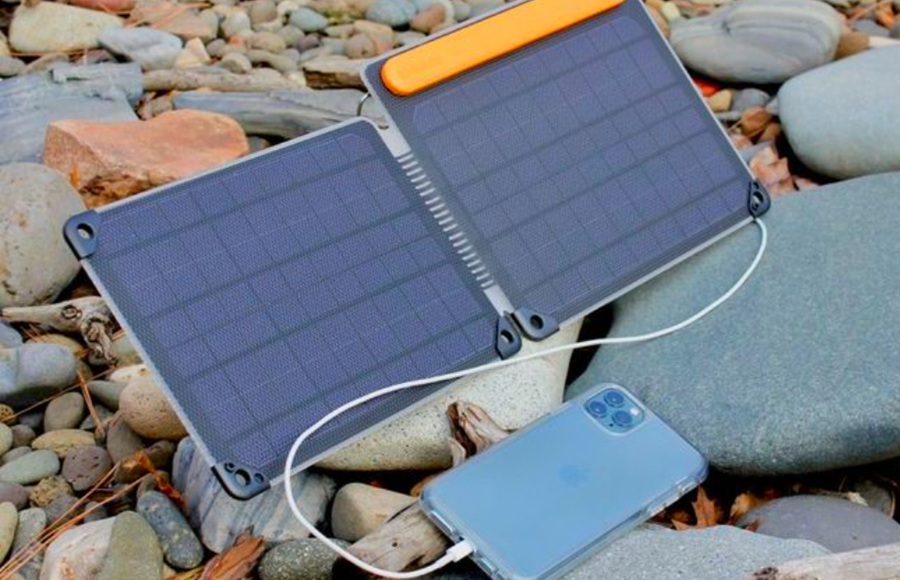
DC-powered devices such as fans, lights, small freezers and portable solar generators are circulating with good use. Because they connect directly to batteries or solar panels, they avoid energy losses from AC conversion.
These systems can power up essentials like phones, laptops, TVs and routers, giving households greater control over their energy use and reducing dependence on the national grid.
Demand for energy-efficient and durable tech gadgets will only continue to rise in Nigeria, driven by the grid issues and more people adopting solar energy systems.
Global brands are also launching models with wide voltage ranges, low power consumption, and hybrid features to meet local needs.
Looking ahead, we expect to see more technology designed with our power realities in mind, further empowering users with greater energy independence and efficiency.