



For years, property owners in the state navigated a maze of charges, ground rent here, land use fees there, and a string of unofficial levies in between. That era, the Enugu State Government says, is over.
Under a new set of sweeping reforms announced by the state government, all illegal land-related levies have been scrapped, and the cost of owning property has been dramatically simplified.
In a move aligned with Governor Peter Mbah’s broader economic transformation agenda, ground rent, land use charge, and other property-related fees have now been collapsed into a single Unified Land Use Charge, slashed by more than 60 per cent.
Going forward, property owners, whether within government estates or outside them, will make just one annual payment, processed exclusively through the Enugu State Internal Revenue Service (EIRS).
The reform, officials say, is designed to remove friction from land administration, ease the burden on property owners, and unlock land as a more productive economic asset in the state.
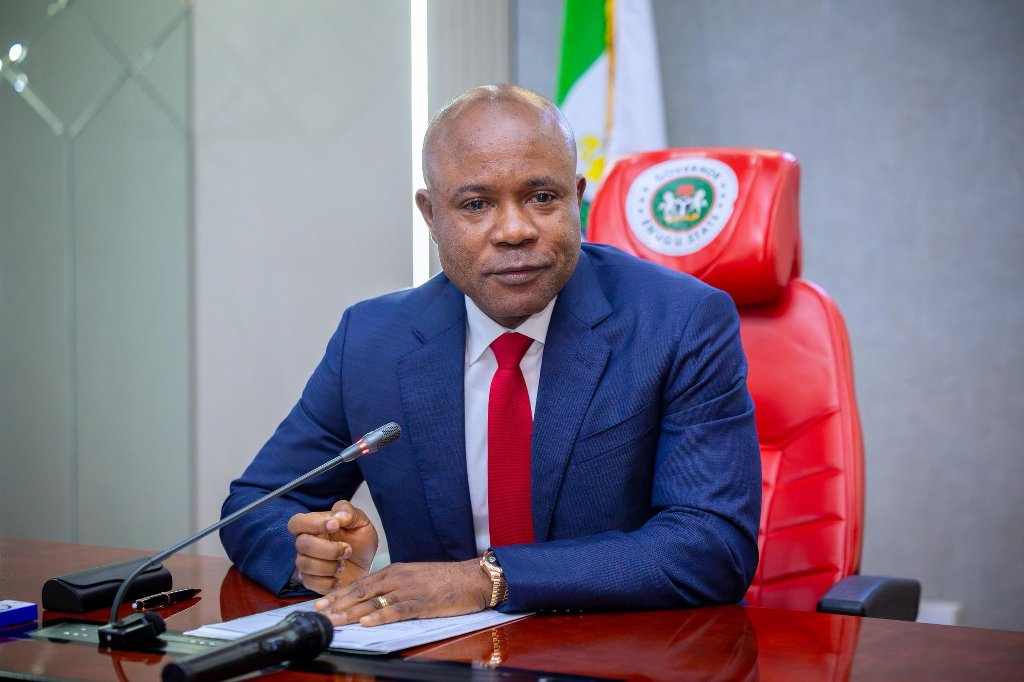
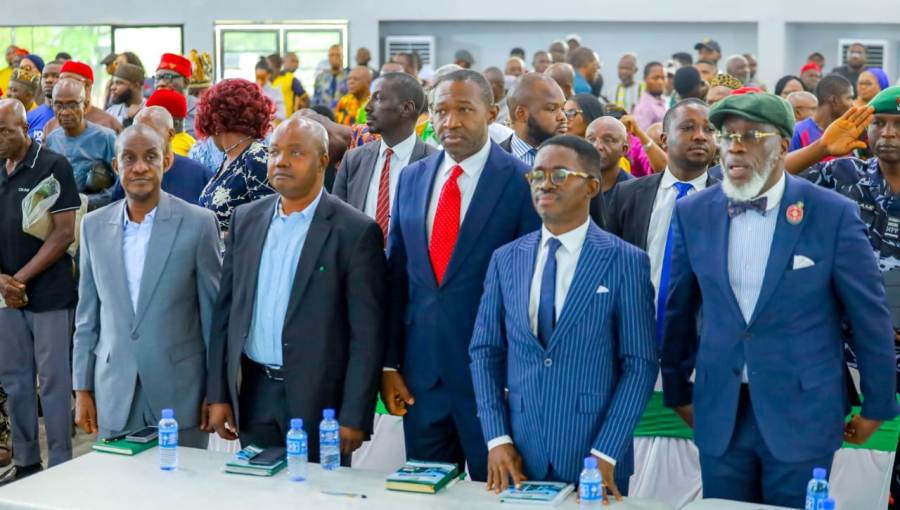
Governor Peter Mbah made the announcement at a stakeholders’ townhall meeting on land sector development, which held at the International Conference Centre, Enugu, on Thursday.
Represented by Prof. Chidiebere Onyia, the secretary to the State Government (SSG), the Governor said his administration remained committed to building a transparent, efficient, and investor-friendly land administration system anchored on legality, digitisation, and accountability.
He described land as the legal foundation for housing, infrastructure, agriculture, commerce, and investment, stressing that since inception, the administration has pursued deliberate reforms to modernise land governance, reduce uncertainty, curb abuse, and restore public confidence in the land tenure system.
“These reforms are anchored on transparency, predictability, digitisation of records, and strict adherence to statutory processes for land allocation, registration, and development control,” he said, adding that effective land governance must be driven by continuous engagement with communities, professionals, investors, traditional institutions, and citizens.
A major highlight of the reforms is the immediate ban on the controversial Ogbonecheagu fees collected by some communities and local governments. Prof. Onyia said Governor Mbah has declared all such fees illegal and directed their outright abolition following widespread complaints by residents.
A task force has been constituted to enforce compliance, while members of the public who are compelled to pay such illegal charges have been urged to submit evidence to Whistleblowing@enugustate.gov.ng for prompt intervention.

The SSG further revealed that the reforms were informed by the recommendations of a multi-stakeholder Committee on Land-Related Revenue and Administration constituted by the Governor to address complaints of multiple taxation and revenue abuse in the state.
In his remarks, Barr. Chimaobi Okorie, the commissioner for Lands and Urban Development, said Governor Mbah has introduced critical policy directions and legal instruments, including an executive order declaring nine of the state’s seventeen local government areas as urban areas to enable planning and structured infrastructural development.
He also said that the Mbah Administration enacted the Enugu State Geographic Information System (ENGIS) law to serve as a one-stop platform for land transactions and to drive the full digitisation and digitalization of land processes and systems.
According to him, land records are now fully harmonised, eliminating cases of missing files, while every plot of land in the state can be digitally tracked.
The Commissioner added that applicants seeking Certificates of Occupancy (C of O) can now apply online or walk into designated government offices for seamless processing. He further noted that the Property Protection Law signed by Governor Mbah guarantees the security of legitimate property ownership and protects investors’ assets.
In his presentation, Mr. Chiwetalu Nwatu, the managing director of ENGIS, announced that all buildings located in housing estates owned by the Ministry of Housing and the Housing Development Corporation must henceforth obtain building approval directly from the Ministry and the Corporation, irrespective of their locations.
He added that building approval for houses in non-government estates within the Enugu municipal area will now be processed exclusively by the Enugu Capital Territory Development Authority (ECTDA) to eliminate jurisdictional overlaps and administrative delays.
Mr. Nwatu further announced that Certificates of Occupancy for all buildings in both private and government estates will now be processed directly for individual property owners, thereby strengthening security of titles and improving assets bankability.
Also speaking, the Mr. Emmanuel Ekene Nnamani, executive chairman of the Enugu State Internal Revenue Service (ES-IRS), said the newly signed Tax Law was designed to place a greater tax burden on the wealthy while protecting low-income earners.
He urged residents to obtain their Tax Identification Numbers free of charge and comply with tax filing requirements to enable the government to generate accurate data for development planning.