


Enugu State is aggressively pivoting from a civil service-dominated landscape to a private-sector-led industrial hub.
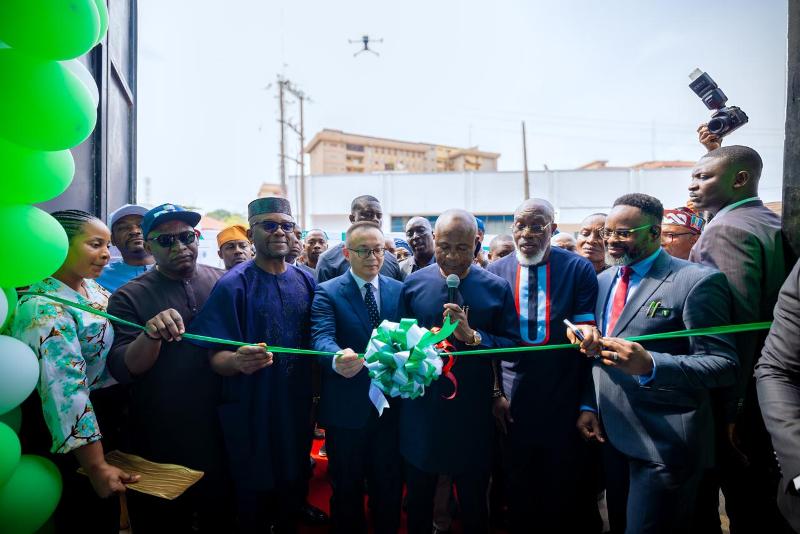
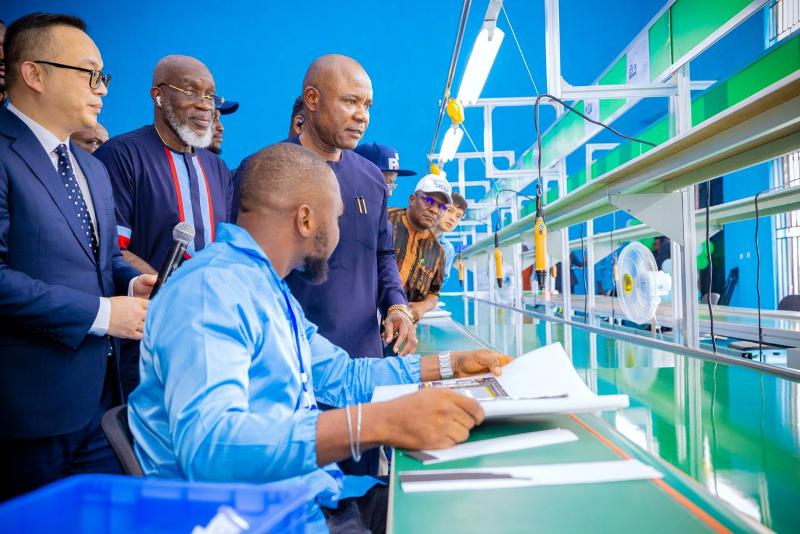
In a move that signals a growing appetite for local electronics manufacturing, Governor Peter Mbah has inaugurated the Enugu Haier Factory, a $20 million Foreign Direct Investment (FDI) venture.
The partnership between the Enugu State Government and the Chinese conglomerate, Haier Global Business, isn’t just about assembly lines; it’s a strategic play to anchor the state’s ambitious leap from a $4.4 billion to a $30 billion economy.
Inside the “Made in Enugu” Pipeline
While Nigeria has historically been a massive consumer of imported electronics, this facility aims to flip the script.
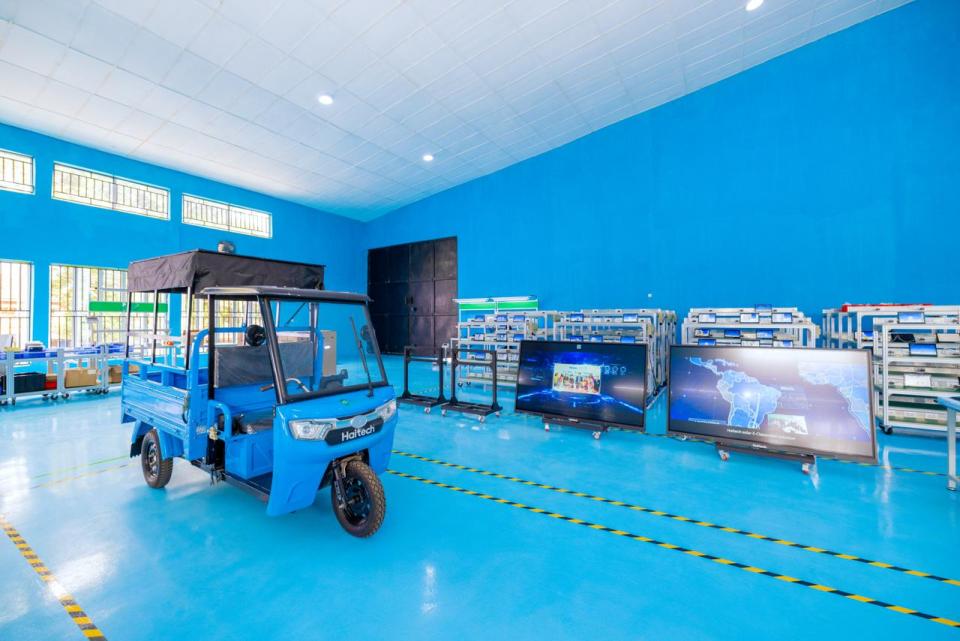
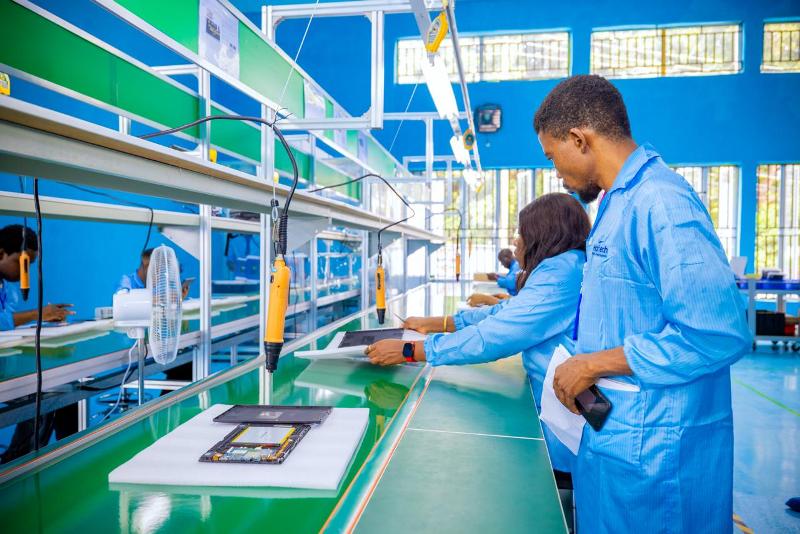
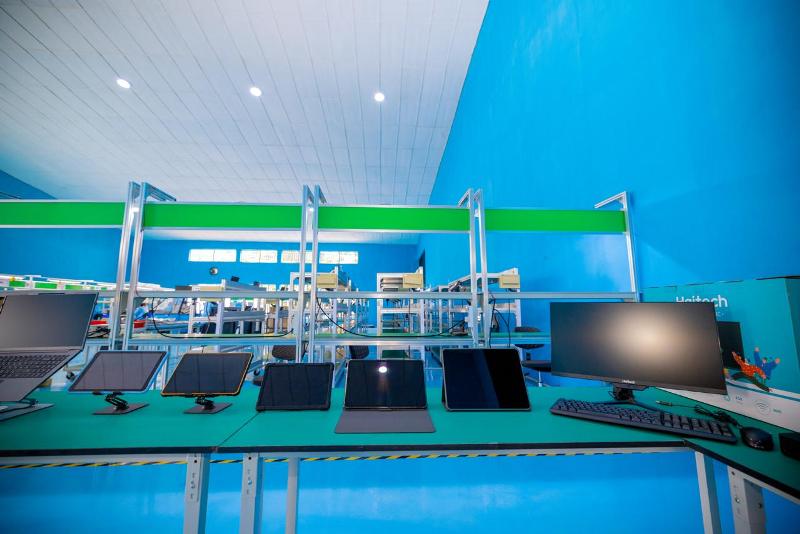
The factory is designed to produce 200,000 units annually, covering a wide spectrum of tech hardware:
- ICT & Consumer Electronics: Smartphones, tablets, all-in-one desktops, and Android TVs.
- Specialized Tech: Medical equipment and smart boards for education.
- Energy & Infrastructure: Renewable energy solutions for agriculture and transport.
To de-risk the investment and jumpstart operations, the Enugu State Government didn’t just provide land; they acted as the anchor off-taker. The state has already placed orders for 25,000 desktops and 300,000 tablets to power its 260 “Smart Green Schools.”
Why it matters
For the Nigerian tech ecosystem, this represents a shift toward hardware sovereignty.
“It means that the devices empowering our students and that support critical industries will no longer be imported. That is strategic. It reduces costs and ensures sustainability,” Governor Mbah noted during the launch.
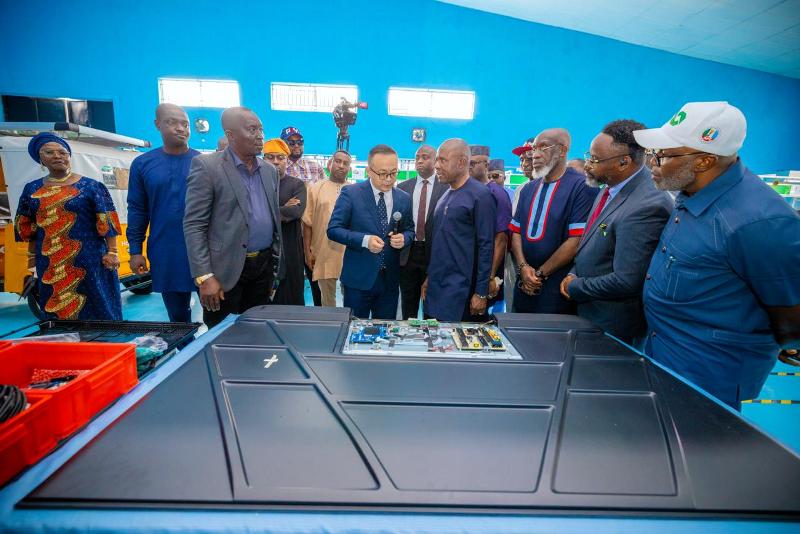
Beyond the gadgets, the factory serves as a “live lab” for the state’s vocational and technical institutions, aiming to bridge the gap between classroom theory and industrial application through technology transfer.

By the Numbers: Haier’s Nigerian Gambit
Haier Group, which saw global revenues exceed $60 billion in 2025, is treating Enugu as a long-term base. The current $20 million factory is just “Phase One.”
Metric |
Phase 1 (Current) |
Future Outlook (Expansion) |
| Capital Investment | $20 Million | Total projected: $30 Million+ |
| Annual Production | 200,000 Units | Expanding to Mining/Agri tools |
| Direct Jobs | ~100 Local Workers | 200+ total employees |
| Key Focus | ICT & New Energy | Sesame, Coal, and Tricycles |
Sun Yongle, VP of Haier Group, emphasized that the goal is to move from “Assembled in Enugu” to “Designed in Enugu.“
The company plans to establish a local R&D center and a training hub to offer free internships to students.
The Policy Backdrop: A Tale of Two Tiers
The launch also served as a moment for political alignment. Governor Mbah used the occasion to laud President Tinubu’s macro-economic reforms, suggesting that the strengthening of the Naira and foreign reserves has created the “green light” investors needed.
Dr. Kingsley Udeh, minister of Innovation, Science and Technology, echoed this sentiment, framing the Enugu project as a critical brick in the Federal Government’s wall as it chases a $1 trillion national economy.
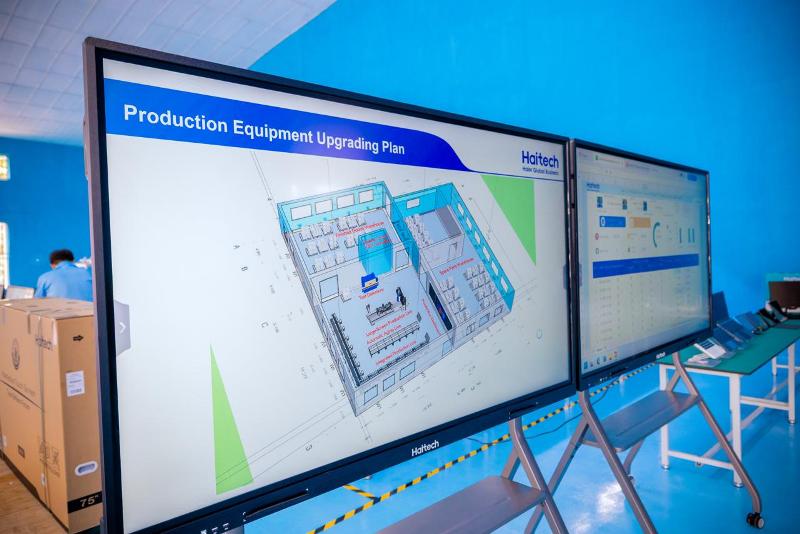
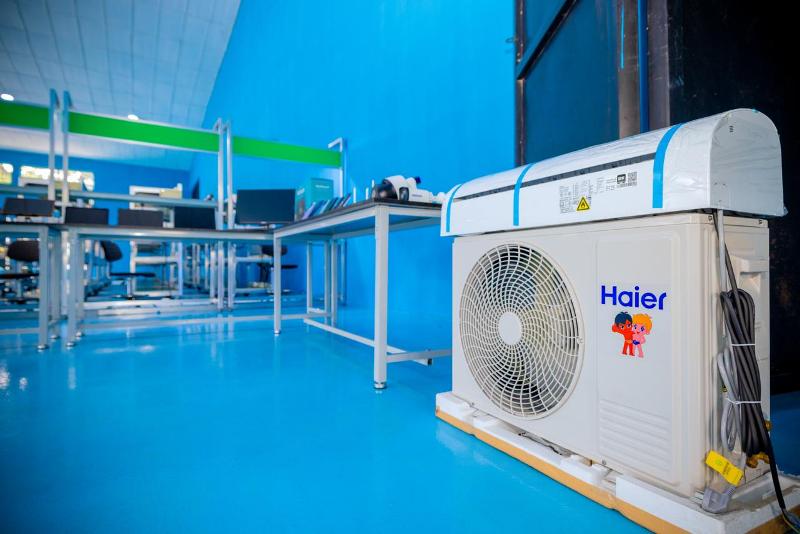
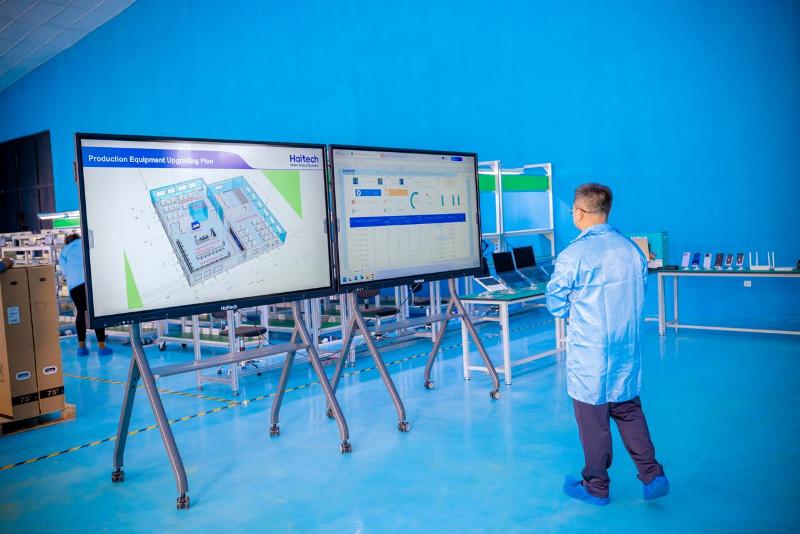
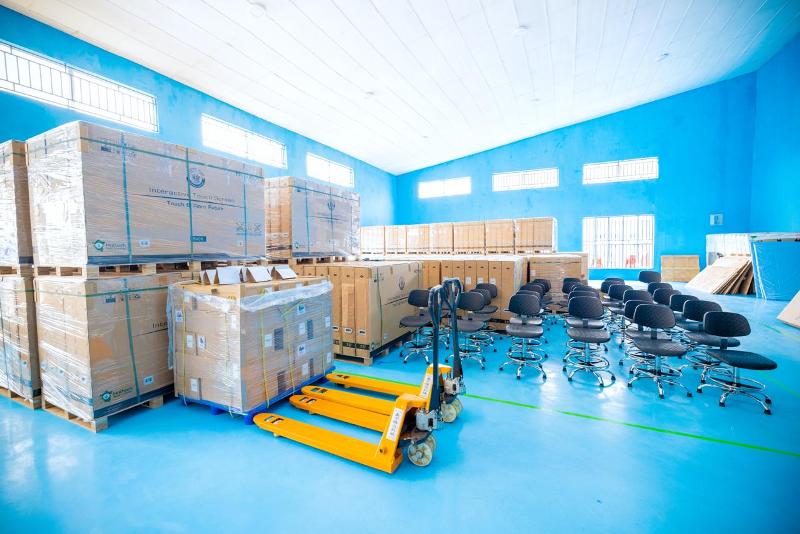
Inside Enugu Haier Factory commissioning:

What to expect next?
Enugu is currently on a manufacturing spree. With the Stallion Group building an electric car assembly plant in Owo and the ODK Group (Denmark) preparing to commission the Nortra Tractor Assembly Plant, the state is positioning itself as the industrial corridor of the Southeast.
For Haier, the next step is diversification. Expect to see their logo not just on TVs and tablets, but on agricultural machinery and mining equipment across the region within the next 24 months.