


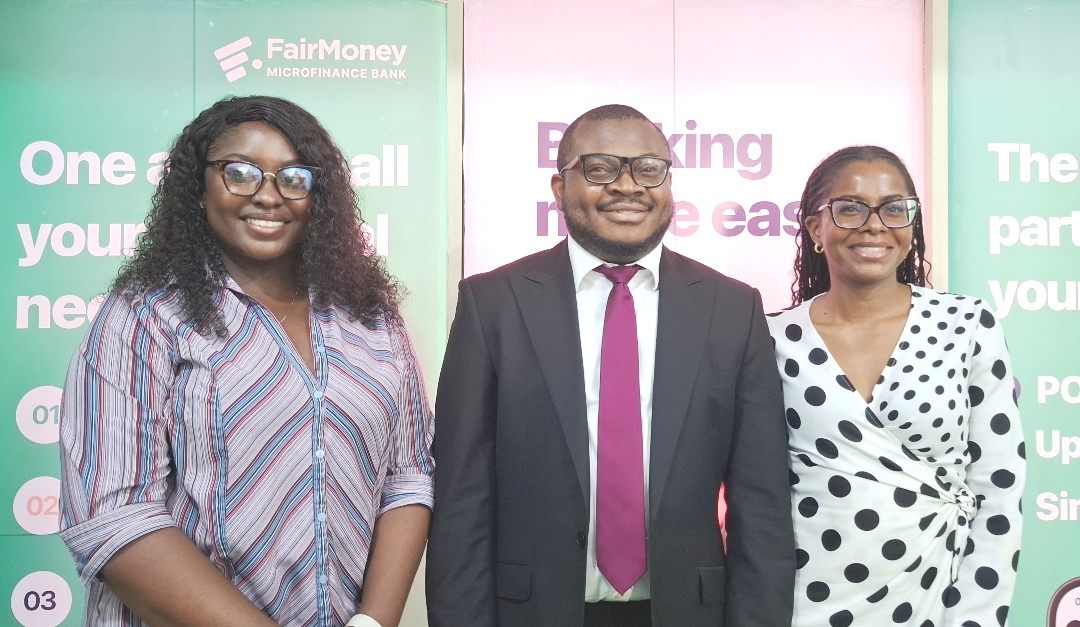
FairMoney Microfinance Bank (MFB) says it is strategically positioning itself to become one of Nigeria’s top five financial institutions within the next decade as it deepens its expansion across consumer and SME segments.
Henry Obiekea, the managing director of FairMoney MFB, speaking during an interactive session with journalists in Lagos, highlighted the company’s evolution from a digital lender into a full-service, credit-led neobank with strong regulatory compliance and an expanding product suite.
“We want to be close to different stakeholders so that we can consistently tell our stories and let everybody know what we are about,” he said. “That really is the idea behind this engagement.”
FairMoney: From a Lending App to a Regulated Neobank

The MD recalled that FairMoney began operations in Nigeria in 2017, founded by Laurin Hainy and two other co-founders with a mission “to build a financial services home for the underserved and the underbanked.”
Initially known for instant, unsecured consumer credit, FairMoney expanded significantly after securing its microfinance banking licence (MFB) in 2021.
“That was a game-changer for us,” he said. “It meant we could offer additional services, current accounts, payments, transfers, debit cards, and move much closer to the vision of a full financial services home.”
In 2023, the bank added SME lending and merchant payment services, marking a major strategic shift.
“We’ve moved from a pure consumer focus to serving SMEs as well, helping them accept payments and providing working capital loans,” Obiekea explained.
Building a Bank on Local Deposits
While FairMoney is VC-backed, the MD disclosed that the bank took deliberate steps early on to reduce FX exposure by raising local currency funding.
“Very early in our journey, we recognised the importance of raising local currency,” he said. “We issued private notes, commercial papers, and built a savings product that encouraged deposits from individuals and corporates.”
The result, he noted, is that FairMoney is now “primarily funded by deposits,” giving it stability and resilience.
‘We Are a Credit-Led Neobank’
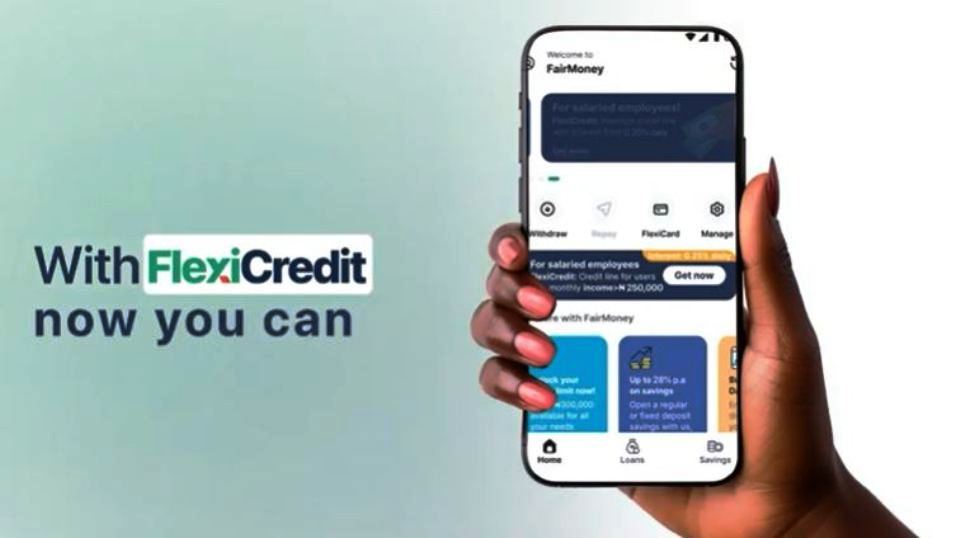
The MD described FairMoney’s identity succinctly:
“We like to say we are a credit-led neobank. Started with credit, and now we look like a bank, with deposits, debt, and equity. That is how we’re structured now.”
Going forward, he said the bank will focus on deepening its footprint in the microfinance banking space and expanding its product breadth.
On Competition and the Future of Banking
Speaking on evolution in the banking sector, the MD said the Nigerian market is due for reorganisation.
“Every five to ten years, you have some form of reshuffling,” Henry Obiekea observed. “Our internal thesis is that within Nigeria’s top five banks, you will see fintech-based players. We are positioning ourselves to be one of them.”
He noted that customers of traditional banks increasingly migrate to digital-first institutions due to better user experience, product innovation, and faster service delivery.
Ethical Lending and Loan Portfolio Quality
Addressing questions on FairMoney’s loan book and repayment challenges in the tough economic environment, the MD stressed the company’s commitment to ethical collections.

“We don’t do unethical practices. We have very strict internal guidelines—even when we use external agencies,” he said.
He added that while macroeconomic pressures have led to higher defaults across the industry, FairMoney’s eight years of lending data gives it a strong edge.
“Data is currency,” he said. “We’ve amassed a trove of proprietary data that helps us distinguish high-risk from low-risk customers. Our models keep improving.”
FairMoney also partners with credit bureaus and uses customer-consented bank statements to enrich credit assessment.
“We can only be sustainable if we maintain a high-quality loan book,” he added.
On Regulation: Improve What Exists, Not Create Something New
When asked about the proposed single fintech regulator, the MD argued in favour of improving the current multi-regulator system rather than adding a new layer.
“We already have CBN, NDPC, FCCPC and others. If a new regulator is created, it won’t replace them. It will only add to the list,” he noted.
“My preference is to improve collaboration and engagement with the regulators we already have.”
Toward Authentic Financial Inclusion
The MD also shared his views on FairMoney’s philosophy of “authentic financial inclusion.”
“It’s not just financial inclusion, it’s economic inclusion,” he said. “If people don’t have money or don’t trust the system, they won’t save. Inclusion must come with fairness, transparency and ease of access.”
He hinted that FairMoney is working on new offerings aligned with this philosophy.
The Road Ahead
FairMoney says its ambition is clear: deepen its market, expand offerings, strengthen governance, and compete shoulder-to-shoulder with Nigeria’s biggest banks.
“It’s an exciting challenge, but one we are ready for,” the MD concluded.