



The recent escalation in the US-Israel conflict with Iran has delivered a sharp reminder of Nigeria’s economic vulnerability.
As oil prices surged past $100 per barrel and fuel costs climbed by 35% at Nigerian pumps, a troubling paradox emerged: Nigeria, a major crude oil producer with Africa’s largest privately-owned refinery now operational, still found itself buffeted by global energy shocks originating thousands of miles away.
The closure of the Strait of Hormuz and resulting disruptions to global energy markets exposed the deeper structural challenge facing Nigeria’s economy.
Despite domestic crude production and the operational Dangote Refinery, Nigeria has struggled with rising inflation, which reached approximately 27% in 2025.
The crisis illuminated an uncomfortable truth: decades of import dependency have left Nigeria’s economy precariously exposed to external shocks, even in sectors where the country possesses natural advantages.
This vulnerability extends beyond energy. Nigeria’s technology sector offers a particularly instructive case study in the costs of import reliance, and the transformative potential of local capacity as the pathway to economic stability and technological sovereignty.
Against this backdrop, Zinox Technologies stands as a compelling counternarrative. Founded in 2001 by technology entrepreneur Leo Stan Ekeh, Zinox operates West Africa’s only computerized digital assembly plant.
As Nigeria’s first indigenous computer manufacturer, Zinox demonstrates what becomes possible when vision, investment, and commitment to local capacity converge.
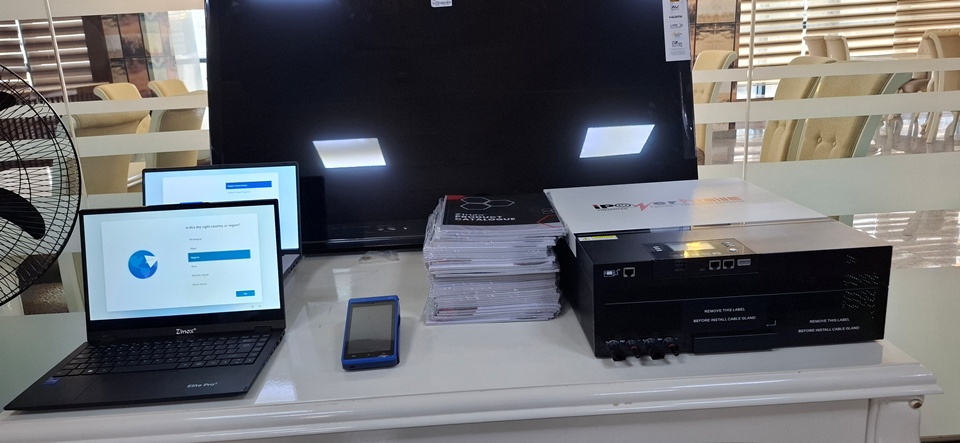
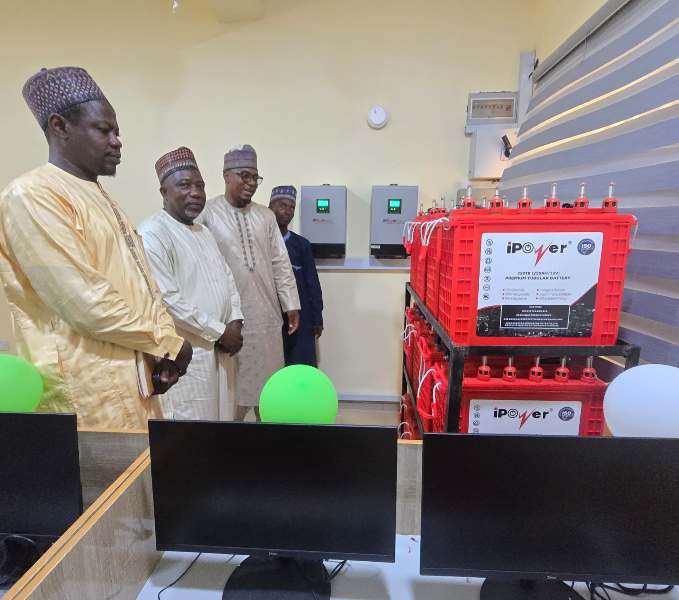
The company’s reach extends beyond traditional computing. Zinox’s innovation spans renewable energy through iPower and home electronics with iTEC, addressing Nigeria’s chronic power challenges with locally-assembled solar solutions and backup systems designed for Nigerian conditions.
This diversification reflects sophisticated understanding: true technological sovereignty requires integrated capabilities.
Zinox’s journey offers a clear case study in how indigenous companies can drive transformation. By focusing on local assembly and manufacturing of computer hardware and digital devices, the company has contributed to building a domestic technology ecosystem that supports government institutions, educational systems, and private enterprises.
This approach not only reduces reliance on foreign imports but also creates jobs, transfers knowledge, and strengthens national capacity.

The implications are significant. Every locally assembled device represents a step away from foreign exchange exposure.
It also signals a shift in mindset, from consumption to production. In a country where demand for technology continues to rise, especially with the acceleration of digital adoption, the importance of local manufacturing cannot be overstated.
Beyond economics, there is also a strategic dimension. Technology is no longer just a commercial tool; it is a defense tool and a national asset.
Countries that control their technology supply chains are better positioned to innovate, secure their data, and compete globally. In this context, companies like Zinox are not merely businesses; they are enablers of national development.
Furthermore, local capacity development has a multiplier effect. It stimulates ancillary industries such as logistics, retail, maintenance, and technical services.
It also fosters entrepreneurship, as more Nigerians gain access to affordable and reliable technology tools needed to participate in the digital economy.
Yet, while progress has been made, there is still work to be done. Scaling local manufacturing requires sustained policy support, infrastructure investment, and a deliberate focus on skills development. It also calls for stronger collaboration between the public and private sectors to create an environment where indigenous innovation can thrive.
Encouragingly, the momentum is building. There is a growing recognition that Nigeria must move beyond being a consumer market to becoming a production hub.
This shift is not only necessary, it is urgent. Global uncertainties will continue to test economies, and only those with strong internal capabilities will remain resilient.
The current global crisis offers clarity. If the Strait of Hormuz is not reopened or supply chains to imports are fractured, only countries with strong domestic manufacturing capacity will weather the storm. Those dependent on imports suffer disproportionately.
The story of Zinox Technologies underscores what is possible. It shows that with the right mix of vision and execution, Nigeria can chart a new course, one defined by self-reliance, innovation, and sustainable growth.
As the country navigates an increasingly complex global landscape, the message is clear: the future belongs to economies that build, not just buy.