

ADVERTISEMENT
Friday, June 12, 2026
Tech | Business | Economy
No Result
View All Result
  • Technology
    • Trends
    • Telecoms
      • Broadband
    • ConsumerTech
      • Gadgets and Appliances
      • Apps
      • Accessories
      • Reviews
      • Unboxing
    • EnterpriseTECH
    • Security & Data Protection
    • How To
  • Business
    • Company News
    • StartUPs
      • Founder’s Story
      • Funding
    • Deals
    • People & Moves
    • SME & Entrepreneur Focus
    • BUSINESS SENSE FOR SMEs
    • Competition & Market Positioning
    • Commerce & Mobility
    • Travel
    • WomenPreneurs
  • Economy
    • Macroeconomic Trends
      • Macro Monday
      • TE Insights
    • Finance
      • Banks
      • Fintech
      • Insurance
      • Digital Assets
      • Personal Finance
    • Policies
      • Tech & Society
    • Market Analysis
    • Jobs & Workforce Economy
  • Features
    • Guest Writer
      • Chidiverse
      • Digital Assets
      • GameTech
    • EventDIARY
    • IndustryINFLUENCERS
    • MarkTECH
    • TBS
    • NewsEXTRA
  • Editorial
  • Brand Content
  • TECHECONOMY TV
Friday, June 12, 2026
Tech | Business | Economy
No Result
View All Result
Tech | Business | Economy
No Result
View All Result

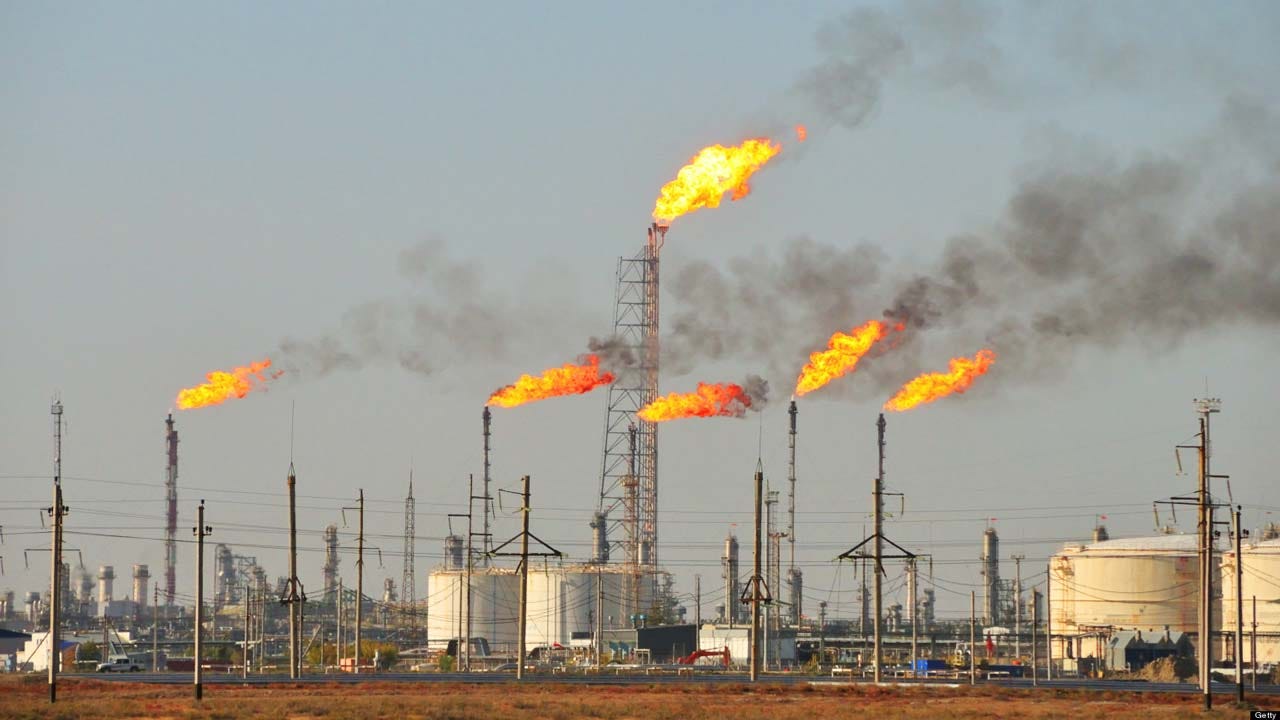
Gas Flaring Hits 148bcm, Highest Level Since 2019 – World Bank

Adetunji Tobi by Adetunji Tobi
June 24, 2024
in Environment
Reading Time: 2 mins read
0
Gas Flaring Hits 148bcm, Highest Level Since 2019 - World Bank

Gas Flaring Hits 148bcm, Highest Level Since 2019 - World Bank

The amount of gas flared worldwide in 2023 increased by nine billion cubic meters (bcm) to reach 148 bcm, the highest level since 2019.

This information was released in a statement by the World Bank, based on new satellite data from the Global Flaring and Methane Reduction (GFMR) Partnership.

The report indicated the increase resulted in an additional 23 million tonnes of carbon dioxide equivalent emissions, an amount similar to adding about five million cars to the roads.

The statement quoted Demetrios Papathanasiou, the World Bank’s Global Director for Energy and Extractives Global Practice, as saying: “Millions of people still lack access to basic energy, and greenhouse gas emissions continue to grow, while huge volumes of gas continue to be wastefully flared every year. Capturing and using this wasted gas could displace dirtier energy sources, reduce greenhouse gas emissions, and generate enough power to double the amount of electricity provided in Sub-Saharan Africa.”

The statement also quoted Zubin Bamji, World Bank GFMR Manager, as saying, “The increase in gas flaring is particularly disheartening as it comes after a long-overdue reduction in 2022. This sets global gas flaring levels back to what we experienced in 2019. We’re hopeful that this is somewhat of an anomaly and that the longer-term trend will be dramatic reductions.”

Subscribe to our Telegram channel for the latest updates.

Follow the latest developments with instant alerts on breaking news, top stories, and trending headlines.

Join Channel

The report showed that gas flaring released harmful pollutants, including black carbon and unburned methane, which contribute to climate change and pose risks to both people and the planet.

It also indicated that eliminating gas flaring would avert at least 381 million tonnes of carbon dioxide equivalent emissions being released into the atmosphere each year.

“When productively used, wasted flared gas can help displace dirtier energy sources, increase energy access in some of the world’s poorest countries, and provide many countries with much-needed energy security,” the report added.

The World Bank’s annual Global Gas Flaring Tracker Report is a tool for monitoring and understanding the state of flaring worldwide and the progress made towards achieving Zero Routine Flaring by 2030.

The World Bank’s GFMR Partnership, together with the Payne Institute at the Colorado School of Mines, developed global gas flaring estimates based on observations from a satellite. The satellite, launched in 2012, is operated by the U.S. National Oceanic and Atmospheric Administration.


“The advanced sensors of this satellite detect the heat emitted by gas flares as infrared emissions. GFMR is a multi-donor trust fund composed of governments, oil companies, and multilateral organizations committed to ending routine gas flaring at oil production sites across the world. GFMR is also committed to reducing methane emissions from the oil and gas sector to near zero by 2030,” the statement concluded.

0Shares
Previous Post

NERC’s N21 Billion: Band-Aiding a Hemorrhaging Power Sector?

Next Post

Document Automation, Only Small Piece of the Puzzle in Personalised Communications

Adetunji Tobi

Adetunji Tobi

Tobi Adetunji is a Business Reporter with Techeconomy. Contact: adetunji.tobi@techeconomy.ng

Related Posts

Sahara Go Recycling Hub in Masaka

Sahara Group Foundation Extends Recycling Solutions to Northern Nigeria with Masaka Hub

June 8, 2026
MTN Nigeria greenhouse gas emissions | facts behind the sustrainability

MTN Nigeria Cuts Greenhouse Gas Emissions 6.4%

May 27, 2026

Why Software is the New Hardware: Cutting Silicon Waste on Mother Earth Day 2026

April 28, 2026
Load More
Next Post
Document Automation by Sean Manley

Document Automation, Only Small Piece of the Puzzle in Personalised Communications

Leave a Reply Cancel reply

Your email address will not be published. Required fields are marked *

I agree to the Terms & Conditions and Privacy Policy.

This site uses Akismet to reduce spam. Learn how your comment data is processed.

Techeconomy Podcast
Techeconomy Podcast

The Techeconomy Podcast is a thought-leadership show exploring the powerful intersection of technology, business, and the economy, with a strong focus on Africa’s fast-evolving digital landscape.

Financing the Future: Venture Debt, Local Capital & African Innovation | TBS May 2026 Webinar
byTecheconomy

Africa’s innovation ecosystem is evolving, but where will the funding for the next generation of startups come from?

In this edition of the Techeconomy Business Series (TBS) May 2026, industry experts explore how local capital, venture debt, and smarter investment structures are redefining startup growth and innovation across Africa.

🎙️ Featured Speakers:

* Ebunoluwa Ashley-Dejo

* Damilare Davola

* Success Ajilore (STN & Accelerated Plus)

Key conversations in this webinar include:

✔️ The future of startup financing in Africa

✔️ Venture debt and alternative funding models

✔️ The role of local investors in scaling innovation

✔️ Sustainable investment strategies for African startups

✔️ Opportunities and challenges in the African tech ecosystem

Subscribe for more conversations shaping Africa’s digital economy and innovation landscape.

#TBS2026 #AfricanInnovation #VentureDebt #StartupFinance #TechInAfrica #Techeconomy #AfricanStartups #InnovationEconomy

Financing the Future: Venture Debt, Local Capital & African Innovation | TBS May 2026 Webinar
May 27, 2026
Techeconomy
PROTECTING INNOVATION IN AFRICA’S STARTUP ECOSYSTEM
April 29, 2026
Techeconomy
BUILDING TRUST IN AFRICA ECOSYSTEM
February 27, 2026
Techeconomy
Navigating a Career in Tech Sales
January 29, 2026
Techeconomy
How Technology is Transforming Education, Health, and Business
November 27, 2025
Techeconomy
Search Results placeholder
MTN Live It 100 Thematic Campaign
ADVERTISEMENT
  • About Us
  • Careers
  • Contact Us
  • Privacy Policy

© 2026 TECHECONOMY.

No Result
View All Result
  • Technology
  • Business
  • Economy
  • Features
  • Editorial
  • Brand Content
  • TECHECONOMY TV

© 2026 TECHECONOMY.

This website uses cookies. By continuing to use this website you are giving consent to cookies being used. Visit our Privacy and Cookie Policy.