


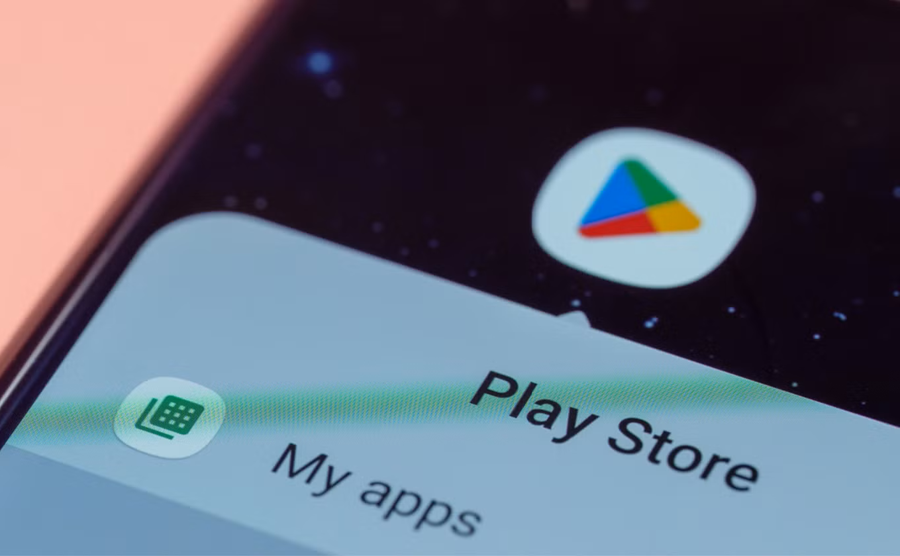
Google has announced new restrictions on how Android users install apps outside its official ecosystem, introducing stricter procedures for downloading unverified apps not available on the Play Store.
While the new development feels sudden, it is part of a bigger initiative the company has been developing since 2025.
Android has always allowed users to install apps from third-party sources, a flexibility that sets it apart from other mobile platforms.
However, Google has constantly steered users toward the Play Store, where it maintains oversight of app distribution and developer accountability.
With this update, that soft approach is giving way to stronger management. In making it harder to install apps from unknown sources, Google is pushing users to stay within its trusted environment.
Why Google is Tightening its Policies
The decision is not arbitrary, it is mostly driven by concerns around artificial intelligence and cybersecurity.
Over the years, a significant share of Android malware has been traced to apps installed outside the Play Store.
These usually appear as modified versions of popular apps with added features, fake financial or betting platforms, or tools claiming to offer free access to paid services.
In many cases, users are lured into downloading them through links shared on platforms like WhatsApp and Telegram.

Google says the new restrictions are designed to:
- Reduce accidental installation of harmful apps
- Improve accountability through stricter developer verification
- Add friction to the installation process, prompting users to think twice before proceeding
Key Changes to the Installation Process
The updated system introduces several new layers of control under what Google describes as a “new flow”:
- More complex installation process: Users will face stronger warnings, additional system-level permissions, and in some cases, delays of up to 24 hours before an app installs. This is intended to slow down potential scams and ensure users are certain about their actions.
- Developer verification requirements: Apps from unverified sources could be blocked entirely on certified Android devices. Developers will be required to provide identity details and meet stricter trust standards, reducing anonymous app distribution.
- Phased global rollout: The update will not reach all users at once. It will be introduced gradually, starting with selected regions before expanding globally later in 2026.
What This Means for Nigerian Smartphone Users
The changes carry particular weight in Nigeria, where Android tops the smartphone market and awareness of cybersecurity risks is still developing.
Many malicious apps in circulation locally promise:
- Free data or airtime
- Cracked versions of premium services
- Betting prediction tools
For users, the added restrictions could serve as a safeguard against such threats, reducing the chances of installing harmful software.
However, the impact is not entirely positive. The Google’s Android APK downloads are also used for legitimate reasons, such as accessing apps unavailable on the Play Store, supporting older Android devices, or installing lightweight versions that consume less data.
There are also concerns that scammers will adapt, potentially using more advanced tactics, including AI-driven methods, to bypass new safeguards.
Google’s move to tighten app installation regulations reiterates the strong need for security and proper management within the Android ecosystem.
While the new measures may reduce immediate risks, long-term safety will still depend on user awareness, digital literacy, and the ability to identify threats in an increasingly complex mobile environment.