


The demand for smart devices in Nigeria is growing fast. More Nigerians are embracing smartphones, smart TVs, 5G routers, smart wearables, and various IoT gadgets every day.

Recent data figures show that smartphone penetration has increased to around 60-70% in recent years, with more millions of users using the internet through mobile connections.
This surge reflects a young, tech-curious population eager to stay connected, stream digital content, run e-commerce businesses, and access services digitally.
Yet, there is a clear paradox here. While the demand for smart devices keeps on increasing, the prices of these smart devices remain very high and sometimes unaffordable for the majority of Nigerians.
For instance, an entry-level smartphone can still cost a significant portion of monthly income, making it difficult for the average Nigerian household to upgrade or adopt new technologies.
The key question is: why does this problem persist, and what can solve it?
The answer to this question is not just in manufacturing or taxes but might be in something that is often overlooked: better connectivity infrastructure.
Improving internet infrastructure for better access across the country could indirectly reduce the cost of smart devices in meaningful ways.
Why Smart Devices Are Expensive in Nigeria
Smart devices cost so much in Nigeria mainly because the country relies heavily on technology imports rather than local production.
Most of the smartphones, TVs, and other gadgets in the market mainly come from foreign manufacturers in Asia or elsewhere, shipped in containers and cleared through customs.
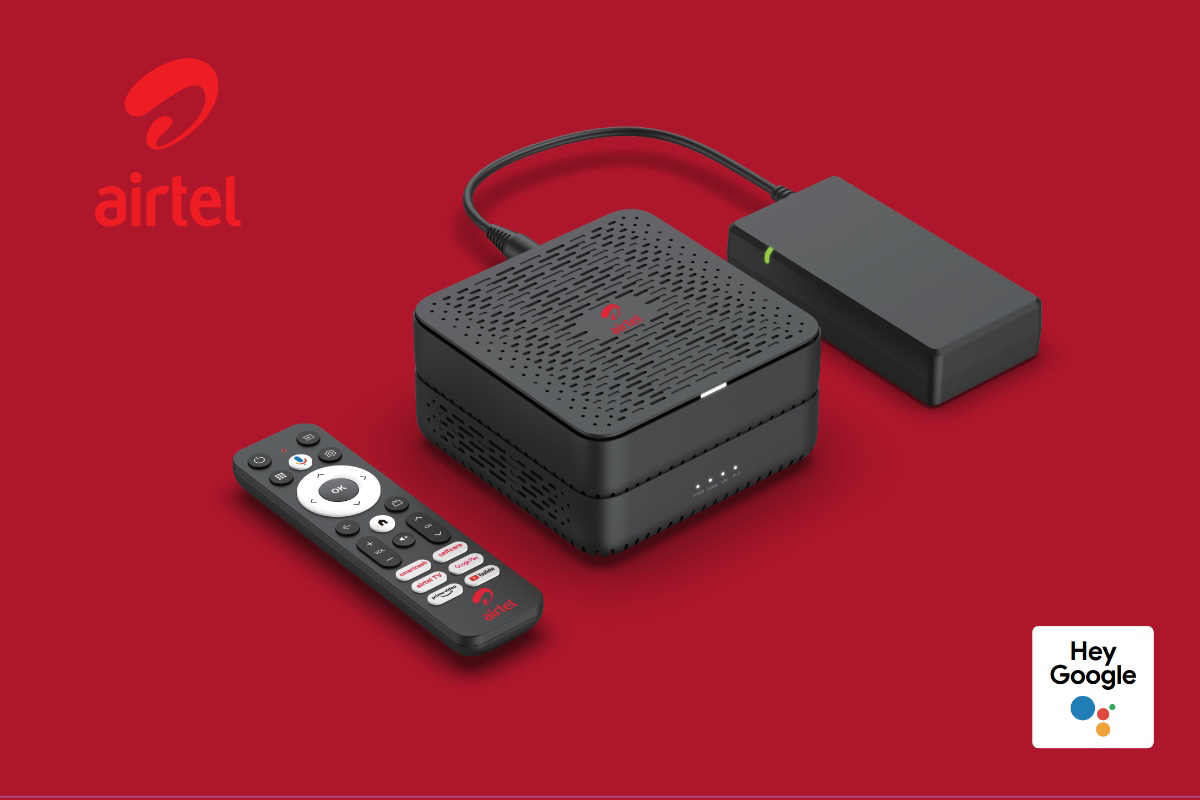
The combination of high import duties, additional levies, and VAT often result in a higher retail price far above global averages. Additionally, the volatile foreign exchange (FX) market in Nigeria makes things even worse. When the naira weakens against the dollar, components and finished goods that are priced in dollars become even more expensive overnight.
Local production of technology products remains limited. While some brands like those under Transsion Holding (which powers TECNO, Infinix, and itel) have their service centers and minor local operations through partners like Carlcare, full-scale manufacturing is rare in Nigeria.
This issue results in weak supply chains, higher logistics costs, and no comparative advantage in large-scale operations. Also, distribution remains fragmented, with many middlemen between importers and buyers, each adding their own additional cost to final retail prices.
Poor connectivity plays a hidden but powerful role, too. Slow or unreliable internet connection could affect efficient market operations negatively. Distributors struggle with tracking their inventory in real-time, accurate demand projections, and quick restocking. New innovations delay because companies can not easily test apps, gather user data, or coordinate remotely. All these inefficiencies keep prices high.
What “Better Connectivity” Really Means in the Nigerian Context
Better connectivity goes beyond just faster connection speeds. It is about a more widespread coverage that is reliable and affordable to access.
In Nigeria, this means expanding broadband penetration through fibre optics, 4G (still very dominant), emerging 5G, and even satellite based options for rural areas. 2025 ended with a broadband penetration of almost 50% in Nigeria, with internet users over 109 million, but this is still very far from the ambitious national targets like 70% under the reviewed National Broadband Plan.
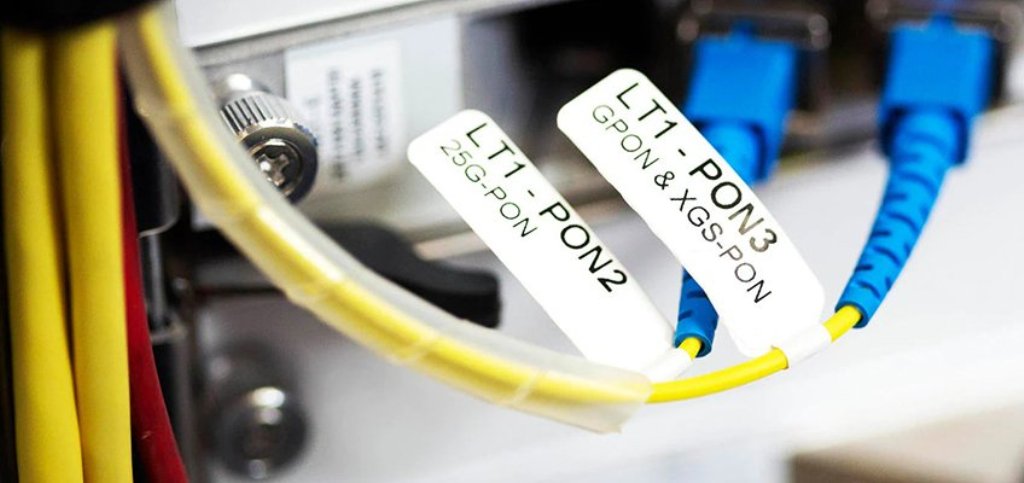
Key elements include rolling out more fiber, leveraging undersea cables, mainly concentrated in Lagos for international bandwidth, and strengthening Internet Exchange Points (IXPs) to keep local internet traffic inside the country, further reducing network latency and overall costs.

“Last-mile” solutions are also very helpful by bringing reliable internet to semi-urban and rural communities where many Nigerians still live.
Major telecommunication companies like MTN, Airtel, and Glo are making 5G more available in cities like Lagos, Abuja, and Port Harcourt, but nationwide coverage remains a work still in progress. When these factors such as lower data prices, fewer outages, and wider reach come together, true transformation begins.
How Improved Connectivity Can Reduce Device Costs
. Streamlining Logistics and Cost Reduction: Better internet connectivity directly reduces costs for original equipment manufacturers (OEMs), distributors, and retailers. With reliable internet, logistics become smoother. Companies can use cloud based tools for real-time tracking of shipments, better predict what sells in different regions, and reduce waste from overstocking or stockouts. This efficiency reduces operating costs and allows price reductions to pass on to final retail buyers.
. Market Transparency and Competitive Pricing: With improved connectivity, market transparency improves, too. Online platforms mostly thrive when the internet is fast and cheap, and consumers compare prices across Jumia, Jiji, or vendor sites in a few minutes. Sellers face pressure to compete, cutting unnecessary additions to retail prices. We have observed that in other markets, better connectivity often sparks price wars that benefit everyone.
. Boost in Local Oriented Production and Foreign Collaboration: With better connectivity, local production gets a boost. Internet connectivity creates more emphasis on cloud-based design software, remote quality checks, and seamless integration with global suppliers. Engineers in tech hubs in Lagos can collaborate easily with partners abroad without delays. This makes it easier and cheaper to produce devices tailored for the Nigerian ecosystem.
. Boost in Direct-to-Consumer Business Models: Better connectivity also means more efficiency in Direct-to-consumer models. Brands launch devices through their websites or apps and ship directly to final consumers without needing many layers of distributors. Fewer middlemen mean lower final prices, and online-first strategies like flash sales or bundle deals become more practical.
Connectivity as a Catalyst for Local Innovation and Alternatives
Reliable internet connectivity could also open doors for homegrown solutions as it enables Nigerian developers and startups to build software-heavy devices that do not need expensive hardware. For example, smart TVs optimized for local streaming services, hybrid feature-smart phones blending affordability with apps, or payment terminals that work offline but sync when connected.
These devices suit the network usage pattern of Nigerians, that is, devices with lower data needs, power-efficiency for frequent blackouts, and focus on practical features like mobile money integration.
As connectivity improves, innovations such as cheaper routers for home Wi-Fi, wearables designed for health tracking in underserved areas, or IoT sensors for small farms accelerate. This results in more options at lesser prices, reducing dependence on imported high-end hardware.
The Role of Telcos, ISPs, and Policy Makers
Better connectivity is directly connected to telecommunication companies and ISPs. Operators like MTN and Airtel already bundle devices with data plans or offer financing, making phones feel more affordable upfront.
As connectivity improves, these deals grow through zero-rated access for device apps, instalment payments tied to data subscriptions, or subsidized entry-level 5G phones.
The government also has a big role to play too. Policies that speed up permisions to lay fibre optic cables in roads and public places could reduce deployment costs. Incentives like tax breaks for broadband investments or subsidies for rural towers could also help.
Supporting local assembly, through grants or import waivers for components, ties directly to connectivity improvements as well. Basically, stable regulations and long-term planning give investors more confidence to build internet infrastructure that lasts.
For everyday Nigerians, the advantage is clear. The price of entry-level and mid-range smart devices could drop gradually by up to 10-20% over time as efficiencies build. Refurbished options and cloud-dependent gadgets that rely on streaming instead of local storage will also become more viable.
Wider adoption also follows. Schools use affordable tablets for learning, clinics adopt cloud-based health devices, and small businesses run on cheap routers and POS systems.
Device affordability is not just about factories or import taxes. It can also be tied to better connectivity. Better internet infrastructure quietly reshapes the entire ecosystem, from supply chains to local innovation and consumer choices.
As Nigeria pushes forward with 5G expansions and fiber projects like Project BRIDGE, the next phase of connectivity could redefine how easily Nigerians access smart technology, and sustainable efforts will make smart devices not a luxury, but a more affordable tool for everyone.