

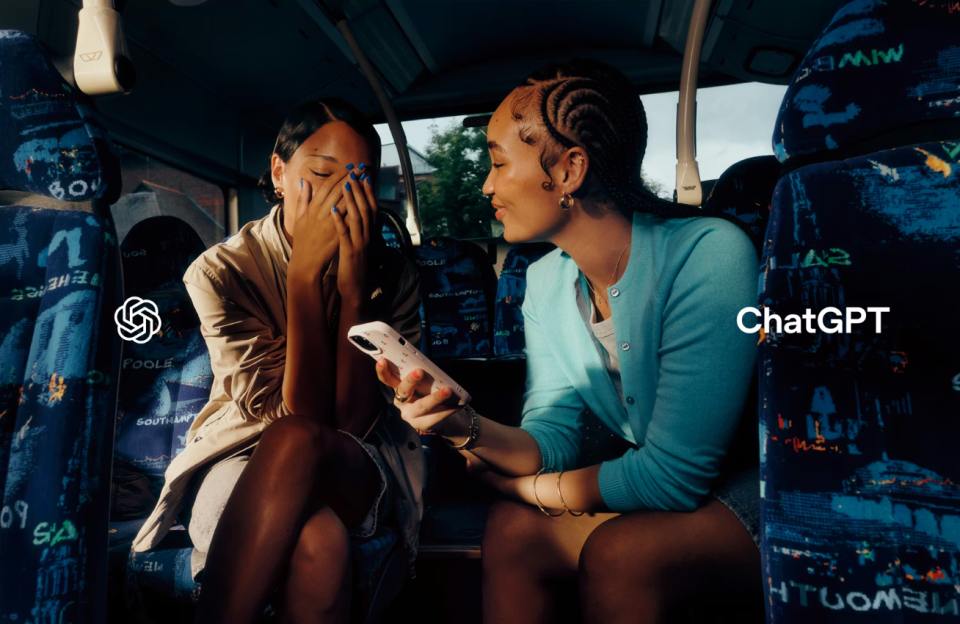
As OpenAI announced the introduction of ads onto ChatGPT, on the 16th January 2026, businesses and marketers face a new way to secure brand visibility, a way that has been highly anticipated up until now.
That’s why, Chily de la Viesca, managing director of Passion Digital, a marketing company focused on LLM growth is sharing the ways that brands can rank higher in LLMs, and increase their visibility, as well as what this new ad feature actually means for marketers.
Regarding OpenAI’s decision to have ads on ChatGPT, Chily de la Viesca said:
“We believe the introduction of ads in ChatGPT represents a shift in digital discovery, moving advertising from traditional search result pages into conversational, context-driven experiences where relevance and user intent matter more than ever. Unlike banner or PPC formats, ChatGPT ads are likely to be subtle, integrated placements for example, sponsored answers, product recommendations, or branded interactive agents, into how people ask for and receive advice online.
For brands, that really raises the bar. Visibility will depend less on spend alone and more on how clearly, consistently and credibly a brand is understood by AI. Those with strong foundations like clear positioning, authoritative content and a genuine grasp of audience needs will be best placed to benefit when paid placements arrive. The smart move now is preparation: sharpening brand signals, creating content that answers real questions, and building an AI-ready presence so when this channel opens up, brands are ready to participate with confidence rather than scramble to catch up.”
Chily de la Viesca provides three ways that brands can achieve this preparation and better understand exactly what it is that they need to do to benefit from this new rollout:
1. Reverse engineer ChatGPT
Start from the source and actually ask ChatGPT how it currently recommends brands in your niche. You don’t need to limit this to just ChatGPT, but this can be any AI model.
You can then analyse the language used and the sources they cite to adapt your content and citations towards that model. In doing so, reverse engineering ChatGPT works as a practical way to troubleshoot what you’re not doing and what you should be doing instead.
2. Make your content more ‘conversational’
Users are no longer using keyword queries as much as they’re using natural, conversational queries. Therefore, your content needs to treat search more like dialogue than just a query list.
By anticipating more of a ‘journey’, from point A to B, rather than simple keyword search, and tailoring your content accordingly, brands can better navigate the needs and patterns of LLMs.
3. Engage in your community and in PR
LLM’s draw heavily from public content so community responses matter enormously. You should be participating in forums to elevate your brand as well as investing in PR as earned media shapes how AI sees your brand and its reputation.
Cecilia de la Viesca has been working in search for the last 15 years and is the Managing Director of Passion Digital, a marketing agency that offers AIO Optimisation.