

ADVERTISEMENT
Friday, May 29, 2026
Tech | Business | Economy
No Result
View All Result
  • Technology
    • Trends
    • Telecoms
      • Broadband
    • ConsumerTech
      • Gadgets and Appliances
      • Apps
      • Accessories
      • Reviews
      • Unboxing
    • EnterpriseTECH
    • Security & Data Protection
    • How To
  • Business
    • Company News
    • StartUPs
      • Founder’s Story
      • Funding
    • Deals
    • People & Moves
    • SME & Entrepreneur Focus
    • BUSINESS SENSE FOR SMEs
    • Competition & Market Positioning
    • Commerce & Mobility
    • Travel
    • WomenPreneurs
  • Economy
    • Macroeconomic Trends
      • Macro Monday
      • TE Insights
    • Finance
      • Banks
      • Fintech
      • Insurance
      • Digital Assets
      • Personal Finance
    • Policies
      • Tech & Society
    • Market Analysis
    • Jobs & Workforce Economy
  • Features
    • Guest Writer
      • Chidiverse
      • Digital Assets
      • GameTech
    • EventDIARY
    • IndustryINFLUENCERS
    • MarkTECH
    • TBS
    • NewsEXTRA
  • Editorial
  • Brand Content
  • TECHECONOMY TV
Friday, May 29, 2026
Tech | Business | Economy
No Result
View All Result
Tech | Business | Economy
No Result
View All Result

Home » Is Capex Becoming a Liability?

Is Capex Becoming a Liability?

| By: Kuben Ramsamy, Head of Sales: HPIFS Africa

Techeconomy by Techeconomy
March 3, 2026
in Guest Writer
Reading Time: 2 mins read
0
Kuben Ramsamy | HPIFS Africa | Capex

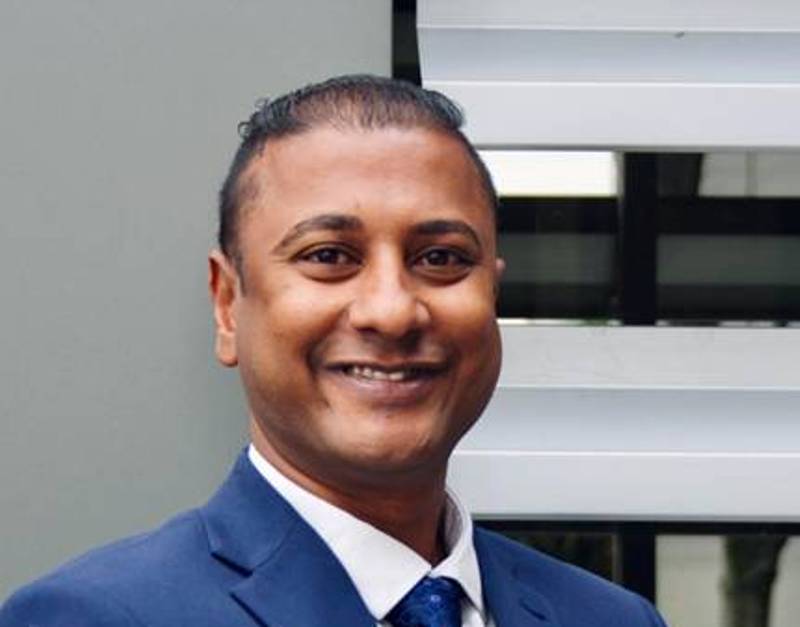
Kuben Ramsamy (HPIFS Africa)

The global shift in technology manufacturing toward AI and hyperscale infrastructure is not a temporary disruption but a structural realignment, as highlighted by an IDC report.

As component supply tightens and device prices rise, organisations that rely on large upfront capital purchases are facing higher costs, longer lead times and unpredictable availability.

In this climate, traditional Capex models risk locking businesses into inflated pricing and reduced flexibility at exactly the moment agility and financial control matter most.

Supply becomes erratic as lead times increase, stock becomes unavailable and solutions have to be adapted to meet organisational needs. T

his shift has resulted in increased laptop and desktop unit prices, forcing organisations to make difficult decisions about how to stretch the same budget across growing IT demands. Tightened purse strings should not mean compromised performance, security or user experience.

Subscribe to our Telegram channel for the latest updates.

Follow the latest developments with instant alerts on breaking news, top stories, and trending headlines.

Join Channel

Instead of relying solely on traditional Capex, organisations can benefit from alternative financial models that hedge against price inflation and supply constraints.

Flexible funding mechanisms allow businesses to access the technology they need without absorbing the full impact of upfront cost spikes.

One such mechanism is HP Integrated Financial Solutions, which provides practical financial alternatives for accessing HP technology.

Whether organisations require the latest AI enabled HP devices or advanced security capabilities such as HP Wolf Security, the objective is to expand procurement choice rather than restrict it.

Through subsidised finance, flexible lease terms and integrated asset lifecycle services, HP Integrated Financial Solutions converts unpredictable capital expenditure into predictable operating costs.

This helps organisations preserve liquidity, align refresh cycles with operational requirements and reduce exposure to component driven price volatility.

More importantly, this approach is not limited by financial profile. Whether an organisation is cash rich or committed to a conservative Capex structure, the goal is to work alongside existing HP channels to present customers with options, not ultimatums.

In a volatile component market where price and availability can change rapidly, the question is no longer ownership versus leasing as an ideological debate. The real question is which combination of funding models delivers continuity, control and long term value.

Locking in device costs over a fixed term can offset price fluctuations and restore predictability to IT planning at a time when uncertainty has become the norm. 

0Shares
MTN Live It 100 Thematic Campaign
Previous Post

Verve Unveils New Tokenization Security Solution

Next Post

Tinubu Nominates Taiwo Oyedele to Replace Doris Uzoka-Anite as Minister of State for Finance

Techeconomy

Techeconomy

Related Posts

Telco innovation

Why Telco Innovation Doesn’t Require Rip-and-Replace

May 28, 2026
Ken Melly is a Partner at G&A Advocates LLP | Africa Investment Protection Framework

Africa Must Operationalise its Investment Protection Framework to Unlock Mega Project Potential

May 27, 2026

The Cost of Doing Nothing Just Went Up

May 27, 2026
Load More
Next Post
How Nigeria Can Double Revenue | capital gains tax

Tinubu Nominates Taiwo Oyedele to Replace Doris Uzoka-Anite as Minister of State for Finance

Leave a Reply Cancel reply

Your email address will not be published. Required fields are marked *

I agree to the Terms & Conditions and Privacy Policy.

This site uses Akismet to reduce spam. Learn how your comment data is processed.

Techeconomy Podcast
Techeconomy Podcast

The Techeconomy Podcast is a thought-leadership show exploring the powerful intersection of technology, business, and the economy, with a strong focus on Africa’s fast-evolving digital landscape.

Financing the Future: Venture Debt, Local Capital & African Innovation | TBS May 2026 Webinar
byTecheconomy

Africa’s innovation ecosystem is evolving, but where will the funding for the next generation of startups come from?

In this edition of the Techeconomy Business Series (TBS) May 2026, industry experts explore how local capital, venture debt, and smarter investment structures are redefining startup growth and innovation across Africa.

🎙️ Featured Speakers:

* Ebunoluwa Ashley-Dejo

* Damilare Davola

* Success Ajilore (STN & Accelerated Plus)

Key conversations in this webinar include:

✔️ The future of startup financing in Africa

✔️ Venture debt and alternative funding models

✔️ The role of local investors in scaling innovation

✔️ Sustainable investment strategies for African startups

✔️ Opportunities and challenges in the African tech ecosystem

Subscribe for more conversations shaping Africa’s digital economy and innovation landscape.

#TBS2026 #AfricanInnovation #VentureDebt #StartupFinance #TechInAfrica #Techeconomy #AfricanStartups #InnovationEconomy

Financing the Future: Venture Debt, Local Capital & African Innovation | TBS May 2026 Webinar
May 27, 2026
Techeconomy
PROTECTING INNOVATION IN AFRICA’S STARTUP ECOSYSTEM
April 29, 2026
Techeconomy
BUILDING TRUST IN AFRICA ECOSYSTEM
February 27, 2026
Techeconomy
Navigating a Career in Tech Sales
January 29, 2026
Techeconomy
How Technology is Transforming Education, Health, and Business
November 27, 2025
Techeconomy
Search Results placeholder
MTN Live It 100 Thematic Campaign
ADVERTISEMENT
  • About Us
  • Careers
  • Contact Us
  • Privacy Policy

© 2026 TECHECONOMY.

No Result
View All Result
  • Technology
  • Business
  • Economy
  • Features
  • Editorial
  • Brand Content
  • TECHECONOMY TV

© 2026 TECHECONOMY.

This website uses cookies. By continuing to use this website you are giving consent to cookies being used. Visit our Privacy and Cookie Policy.


