



Artificial Intelligence (AI) is fast becoming a transformative force to reckon with across various sectors of human endeavour, offering unprecedented opportunities for innovation and growth.
In Nigeria, while AI is still in its infant stages, there is a growing recognition of its potential to address local challenges and drive economic development.
This shift in mindset is crucial for harnessing the capabilities inherent in AI to cater to the unique needs of the Nigerian and African context in extension. AI literacy is essential for ensuring that individuals and communities can effectively engage with and benefit from AI technologies.
However, in a continent where over 860 million people lack internet access, the disparity in digital literacy becomes even more pronounced as AI is being built and governed by a privileged small chunk of the global population, while a great number of communities remain uninvolved in shaping technologies that affect their lives.
This gap not only limits access to information but also hinders the ability of marginalised populations—especially women, rural dwellers, and indigenous language speakers to participate in an increasingly digital economy.
Without foundational digital skills, this critical demography will remain excluded from the AI revolution. A comprehensive approach to AI literacy must encompass both technical skills and socio-emotional competencies.
This multidimensional framework is vital for preparing individuals to navigate the complexities of AI, ensuring they can leverage its benefits while also understanding its ethical implications.
Global initiatives, such as those discussed by the World Economic Forum, emphasise the need for inclusive strategies that extend beyond mere technical training to address the broader socio-economic landscape.
Localisation of AI is also critical to ensuring that technology resonates with and addresses the specific needs of African communities. This involves not only adapting technology to local languages and contexts but also ensuring that the datasets used to train large-scale models such as large language models (LLMs), generative tools, or frontier models is representative of diverse local populations. In Nigeria, where numerous languages and cultural practices exist, it is imperative that AI solutions are developed with local input to foster trust and usability.
In this regard, there is a need for inclusive governance frameworks which will ensure that all voices are represented in AI discussions. Stakeholders, including governments, NGOs, and tech companies must collaborate to create an environment where everyone can contribute to and benefit from AI initiatives.
This includes addressing gender disparities, rural-urban divides, and providing access to resources for all demographics.
Moreover, initiatives like the Nigeria Artificial Intelligence Research Scheme (NAIRS) and the National Centre for Artificial Intelligence and Robotics (NCAIR) are important for strengthening a robust AI ecosystem.
These initiatives support local research, innovation, and the development of AI applications tailored to Nigeria’s unique challenges in critical sectors such as agriculture, education, healthcare and so on.
Notably, the current skills gap in AI poses a significant challenge to its adoption across Africa. With many professionals leaving the continent for opportunities abroad, there is a pressing need to cultivate local talent.
Stakeholders should prioritise the establishment of standardised metrics and frameworks for measuring digital literacy to help identify skill gaps and track progress, particularly among vulnerable populations.
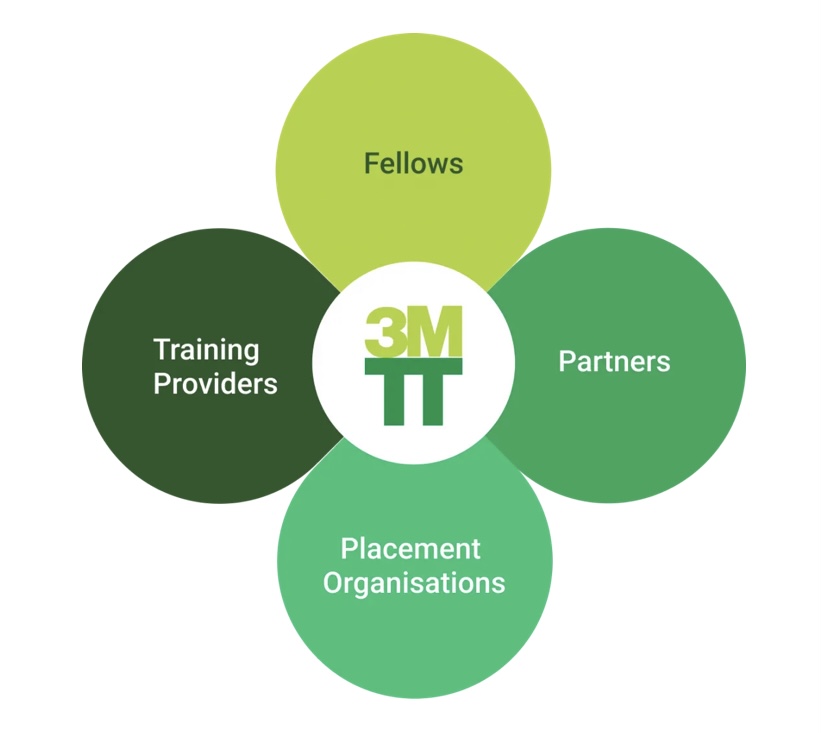
Programmes aimed at upskilling the workforce, such as the Federal Government’s 3 Million Technical Talent (3MTT) programme, and Microsoft’s commitment to training two million professionals by 2025, are steps in the right direction.
However, these efforts must be complemented by broader educational reforms that integrate AI literacy into curricula at all levels to ensure that future generations are adequately equipped with the necessary skills to thrive in a digital economy.
The future of AI in Africa, particularly in Nigeria, holds immense promise. However, achieving this potential requires a concerted effort to enhance AI literacy and localise technologies.
When inclusive education and local talent is prioritised, there is a high guarantee that the benefits of AI are accessible to all, leaving no one behind.
Therefore, as we advance into this new digital age, it is our collective responsibility to shape a future where AI serves as a tool for empowerment and equality, rather than a source of division.
*Olasupo Abideen Opeyemi is the CEO MyAIFactChecker and Founder of FactCheck SAfrica. He tweets via @opegoogle and available via abideenolasupo@gmail.com




Comments 1