


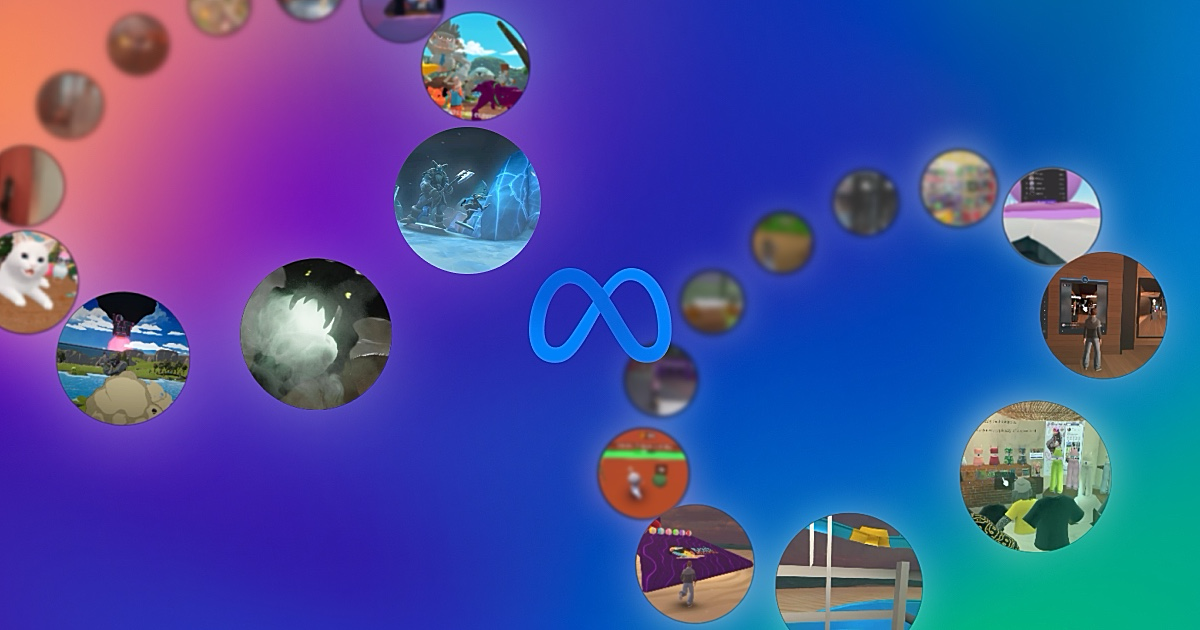
Meta has changed direction for Horizon Worlds and will now focus the platform “almost exclusively mobile”, separating it from its Quest VR business.
The decision follows years of heavy spending on virtual reality. Meta’s Reality Labs division, which builds VR headsets and smart glasses, has lost nearly $80 billion since 2020.
Last month, the company cut about 1,500 jobs in the unit, roughly 10% of its workforce. It also closed several VR game studios.
Supernatural, the VR fitness app Meta bought in 2023, will stop producing new content and move into maintenance mode.
Horizon Worlds launched in 2021 as a virtual reality social platform. It later expanded to the web and mobile. Now the company is narrowing its focus.
“To truly change the game and tap into a much larger market, we’re going all-in on mobile,” Samantha Ryan, vice president of Content at Reality Labs, wrote.
In shifting to mobile, Meta is placing Horizon Worlds in more direct competition with platforms such as Roblox and Fortnite, which already reach large audiences on phones.
Ryan said, “We’re in a strong position to deliver synchronous social games at scale, thanks to our unique ability to connect those games with billions of people on the world’s biggest social networks. You saw this strategy start to unfold in 2025, and now, it’s our main focus.”
At the same time, the company said it is not leaving virtual reality hardware. Ryan added, “We have a robust roadmap of future VR headsets that will be tailored to different audience segments as the market grows and matures.”

Meta said it will clearly separate its Quest VR platform from Horizon Worlds so each can grow independently. It plans to concentrate its VR focus on supporting third-party developers rather than expanding its own first-party studios.

According to the company, 86% of the time people spend in their VR headsets goes to third-party apps.
In 2025, Meta invested nearly $150 million in VR developer programmes, including its Start Developer Competition. It reported that in-app purchases on Quest rose 13% year on year.
Meta Horizon+ passed one million active subscribers in 2025 and now offers more than 100 games.
However, company executives admit the wider VR market has grown more slowly than expected. During last month’s earnings call, Chief Executive Mark Zuckerberg said, “It’s hard to imagine a world in several years where most glasses that people wear aren’t AI glasses.”
He added that sales of Meta’s glasses tripled over the past year and described them as “some of the fastest-growing consumer electronics in history.”
Internally, Meta has also adjusted how developers publish and sell content. It will remove individual worlds from the VR store shelves and separate worlds from the mobile app store listing.
The company said this should increase visibility for apps. It has introduced tools such as season passes, featured bundles and a “Deals” tab to improve sales and discovery.
On mobile, Meta reported growth in creator activity, noting that mobile-only worlds increased from zero to more than 2,000 in 2025. Four creators have earned more than $1 million in lifetime revenue, while nearly 100 earned six figures last year.
Meta is now putting most of its focus into building Horizon Worlds for phones while keeping its VR hardware plans in place. The company said it will do fewer projects at once and concentrate on areas it believes can grow faster.