

ADVERTISEMENT
Friday, June 5, 2026
Tech | Business | Economy
No Result
View All Result
  • Technology
    • Trends
    • Telecoms
      • Broadband
    • ConsumerTech
      • Gadgets and Appliances
      • Apps
      • Accessories
      • Reviews
      • Unboxing
    • EnterpriseTECH
    • Security & Data Protection
    • How To
  • Business
    • Company News
    • StartUPs
      • Founder’s Story
      • Funding
    • Deals
    • People & Moves
    • SME & Entrepreneur Focus
    • BUSINESS SENSE FOR SMEs
    • Competition & Market Positioning
    • Commerce & Mobility
    • Travel
    • WomenPreneurs
  • Economy
    • Macroeconomic Trends
      • Macro Monday
      • TE Insights
    • Finance
      • Banks
      • Fintech
      • Insurance
      • Digital Assets
      • Personal Finance
    • Policies
      • Tech & Society
    • Market Analysis
    • Jobs & Workforce Economy
  • Features
    • Guest Writer
      • Chidiverse
      • Digital Assets
      • GameTech
    • EventDIARY
    • IndustryINFLUENCERS
    • MarkTECH
    • TBS
    • NewsEXTRA
  • Editorial
  • Brand Content
  • TECHECONOMY TV
Friday, June 5, 2026
Tech | Business | Economy
No Result
View All Result
Tech | Business | Economy
No Result
View All Result

Home » Big Pay, Bigger Problems: Meta Superintelligence Project Hit by Wave of Resignations

Big Pay, Bigger Problems: Meta Superintelligence Project Hit by Wave of Resignations

Joan Aimuengheuwa by Joan Aimuengheuwa
September 2, 2025
in EnterpriseTECH
Reading Time: 3 mins read
0
Meta Superintelligence Project Hit by Wave of Resignations

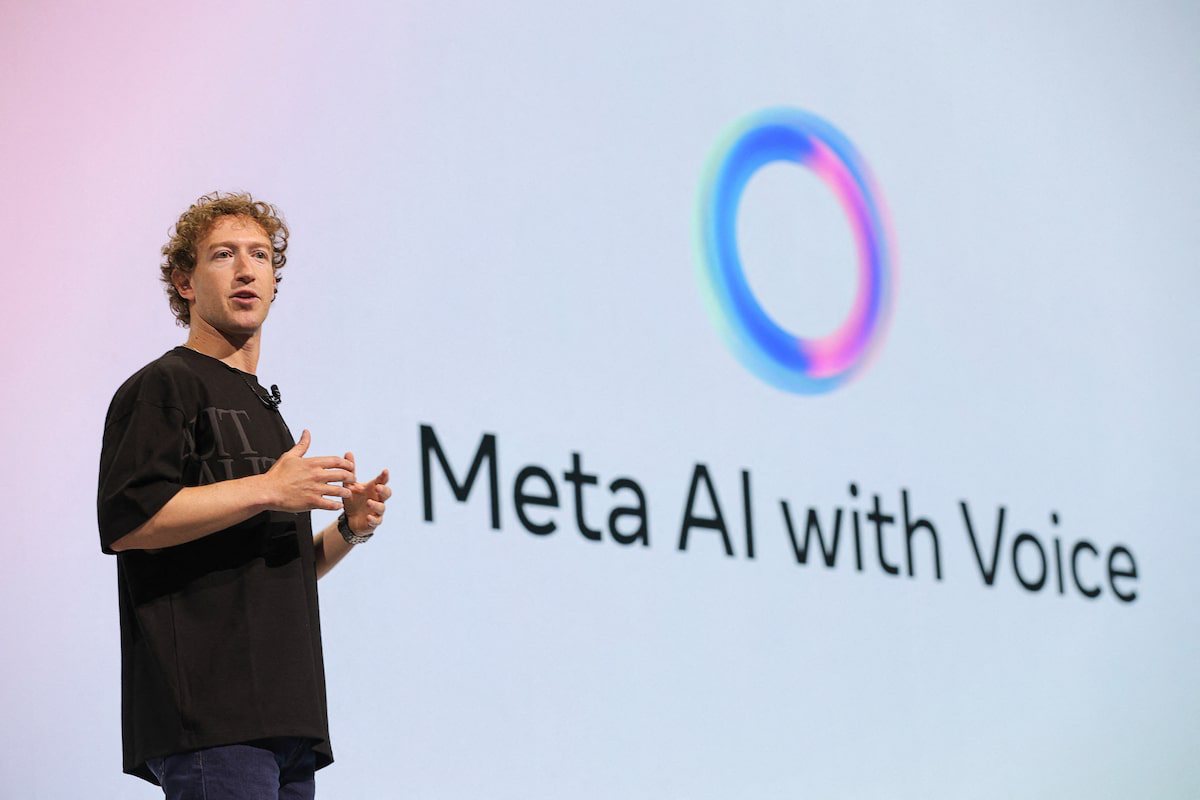
Mark Zuckerberg, Meta CEO

Meta superintelligence research is already facing challenges, just months after Mark Zuckerberg unveiled the company’s flagship Superintelligence Labs (MSL). 

Despite proposing some of the most lucrative packages in Silicon Valley history, the project is finding it difficult to hold on to its star hires.

The Superintelligence lab, launched in April 2025 with the aim of leapfrogging Meta competitors in artificial general intelligence (AGI), has been hit by high-profile departures.

Rishabh Agarwal, recruited from Google DeepMind earlier this year on a reported $1 million salary, announced in late August that he would be leaving after barely five months. 

“It was a tough decision not to continue with the new Superintelligence TBD lab, especially given the talent and compute density. But after 7.5 years across Google Brain, DeepMind, and Meta, I felt the pull to take on a different kind of risk,” Agarwal wrote in a farewell post on X.

Subscribe to our Telegram channel for the latest updates.

Follow the latest developments with instant alerts on breaking news, top stories, and trending headlines.

Join Channel

He also repeated Zuckerberg’s own words back at him: “In a world that’s changing so fast, the biggest risk you can take is not taking any risk.” The quote has since been widely interpreted as researchers using the Meta chief’s mantra to justify walking away.

Avi Verma and Ethan Knight, both previously with OpenAI, have returned to their former employer after brief stints at MSL. In a further blow, longtime Meta executive Chaya Nayak has also left, joining OpenAI to work on special initiatives.

These issues have led to uncomfortable questions for Meta. If billion-dollar offers cannot retain talent, what can? Insiders point to structural problems: frequent reorganisations, shifting goals, and reports of micromanagement at the top. 

The company recently split its AI staff into four separate groups, creating suspense inside a lab already tasked with one of the most ambitious projects in tech.

Experts say money is not the ultimate driver for the best minds in the field. DeepMind cofounder Demis Hassabis once said frontier researchers want to “help influence how AGI plays out and steward the technology safely into the world” rather than simply chase paycheques. 

Similarly, Anthropic’s cofounder Benjamin Mann said: “My best case at Anthropic is we affect the future of humanity. My best case at Meta is we make money.”

Meanwhile, rivals are capitalising. OpenAI has not only regained former staff but strengthened its bench at a time when it publicly criticised Meta’s aggressive poaching tactics. 

Elon Musk’s xAI is also pulling engineers away from Zuckerberg’s company, with reports noting at least 14 defections this year alone. Unlike Meta’s cash-heavy approach, Musk promotes a performance-driven culture anchored in equity and speed.

Meta has invested heavily in leadership, hiring Scale AI founder Alexandr Wang and former GitHub CEO Nat Friedman to run its AI efforts. But reports of disagreements between Zuckerberg and Wang over timelines for superintelligence highlight deeper tensions. 

Meta’s resources can buy time and talent, but not loyalty or mission alignment.

0Shares
Previous Post

Protection of Computer Programs in Nigeria

Next Post

Konga Announces Month-Long Category Shopping Experience – All in All – Everything ×2

Joan Aimuengheuwa

Joan Aimuengheuwa

Joan thrives at helping individuals and businesses scale via storytelling...

Related Posts

Vertiv and NVIDIA Omniverse

Vertiv Brings Real-World Infrastructure Modelling to NVIDIA Omniverse

June 5, 2026
Meta Business Agent launch 2026

Meta Launches Business Agent to Automate Customer Service Across WhatsApp, Messenger and Instagram

June 4, 2026

Meta Delays Release of Muse Spark AI API Despite Earlier Launch Plans

June 4, 2026
Load More
Next Post
Konga | Berekete | Konga All in All Everything ×2

Konga Announces Month-Long Category Shopping Experience - All in All – Everything ×2

Leave a Reply Cancel reply

Your email address will not be published. Required fields are marked *

I agree to the Terms & Conditions and Privacy Policy.

This site uses Akismet to reduce spam. Learn how your comment data is processed.

Techeconomy Podcast
Techeconomy Podcast

The Techeconomy Podcast is a thought-leadership show exploring the powerful intersection of technology, business, and the economy, with a strong focus on Africa’s fast-evolving digital landscape.

Financing the Future: Venture Debt, Local Capital & African Innovation | TBS May 2026 Webinar
byTecheconomy

Africa’s innovation ecosystem is evolving, but where will the funding for the next generation of startups come from?

In this edition of the Techeconomy Business Series (TBS) May 2026, industry experts explore how local capital, venture debt, and smarter investment structures are redefining startup growth and innovation across Africa.

🎙️ Featured Speakers:

* Ebunoluwa Ashley-Dejo

* Damilare Davola

* Success Ajilore (STN & Accelerated Plus)

Key conversations in this webinar include:

✔️ The future of startup financing in Africa

✔️ Venture debt and alternative funding models

✔️ The role of local investors in scaling innovation

✔️ Sustainable investment strategies for African startups

✔️ Opportunities and challenges in the African tech ecosystem

Subscribe for more conversations shaping Africa’s digital economy and innovation landscape.

#TBS2026 #AfricanInnovation #VentureDebt #StartupFinance #TechInAfrica #Techeconomy #AfricanStartups #InnovationEconomy

Financing the Future: Venture Debt, Local Capital & African Innovation | TBS May 2026 Webinar
May 27, 2026
Techeconomy
PROTECTING INNOVATION IN AFRICA’S STARTUP ECOSYSTEM
April 29, 2026
Techeconomy
BUILDING TRUST IN AFRICA ECOSYSTEM
February 27, 2026
Techeconomy
Navigating a Career in Tech Sales
January 29, 2026
Techeconomy
How Technology is Transforming Education, Health, and Business
November 27, 2025
Techeconomy
Search Results placeholder
MTN Live It 100 Thematic Campaign
ADVERTISEMENT
  • About Us
  • Careers
  • Contact Us
  • Privacy Policy

© 2026 TECHECONOMY.

No Result
View All Result
  • Technology
  • Business
  • Economy
  • Features
  • Editorial
  • Brand Content
  • TECHECONOMY TV

© 2026 TECHECONOMY.

This website uses cookies. By continuing to use this website you are giving consent to cookies being used. Visit our Privacy and Cookie Policy.


