



Source:While working on a mobile banking app, I made a last-minute tweak: a smooth toggle animation paired with a faint “click” sound. It felt minor, but during the demo, it stole the show.
An investor even remarked, “It’s the little touches like this that make it feel like a product I’d actually use.”
I learned that micro-interactions have a big effect on how user experience your product. In this post, we’ll explore why these subtle details matter, their core components, and how to design them effectively to elevate your UI.
What Are Micro-interactions?
Micro-interactions are the unsung heroes of great user experiences. They are the small, often overlooked animations or responses that happen in a user interface (UI) when users perform a simple action — like tapping a button, toggling a switch or liking a post. They’re the little moments that add polish and personality, like:
- The ripple effect when you tap a button on your phone.
- The animated checkmark after completing a task.
- The subtle vibration when typing on a keyboard.
While these might seem minor, they improve the user’s sense of control and engagement, making the interface feel alive and intuitive.
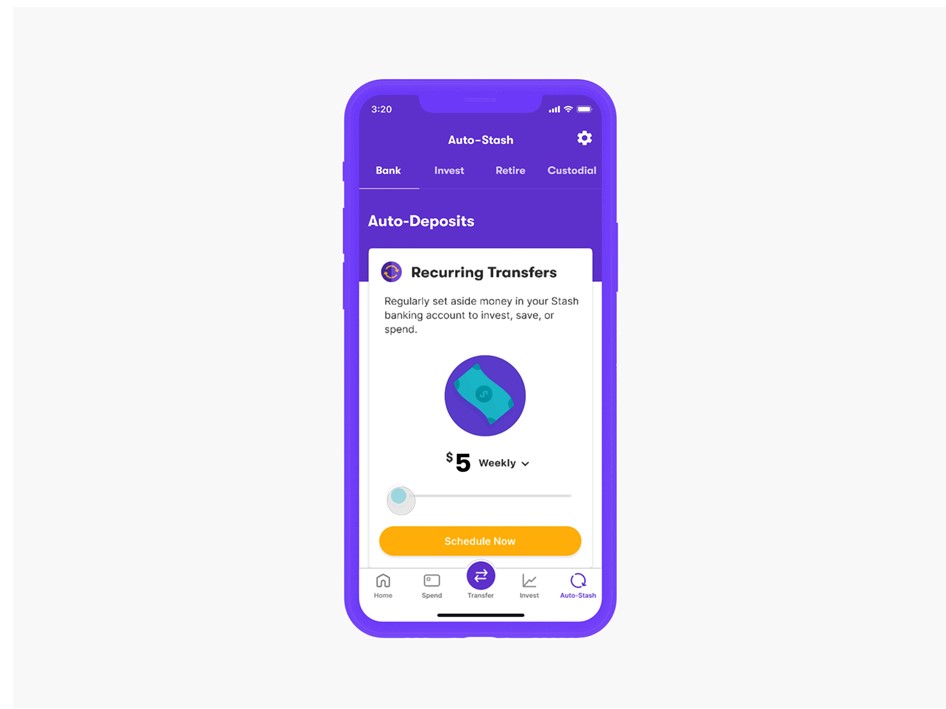
Why Micro interactions Matter
1. Enhanced Feedback
Micro-interactions bridge the communication gap between users and systems. For example, when you delete an email, the accompanying animation reassures you that the action was successful. Without it, users might feel disconnected or uncertain.
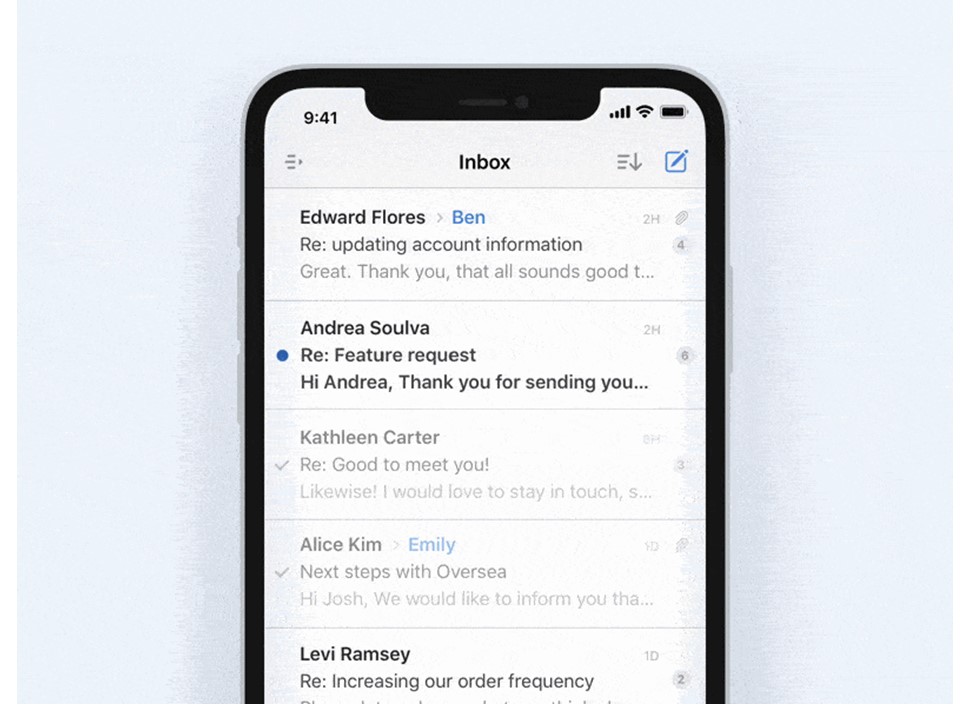
2. Improved Usability
These tiny details make complex systems easier to navigate. A pulsing cursor guides users to an active field, while a sliding animation intuitively shows content hidden behind tabs.
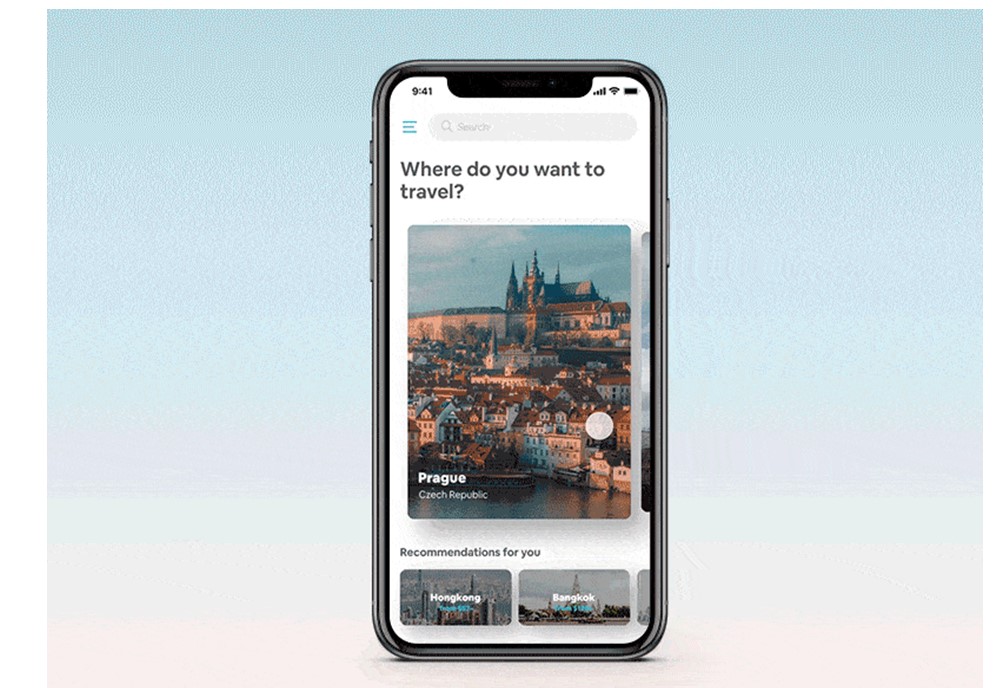
3. Emotional Connection
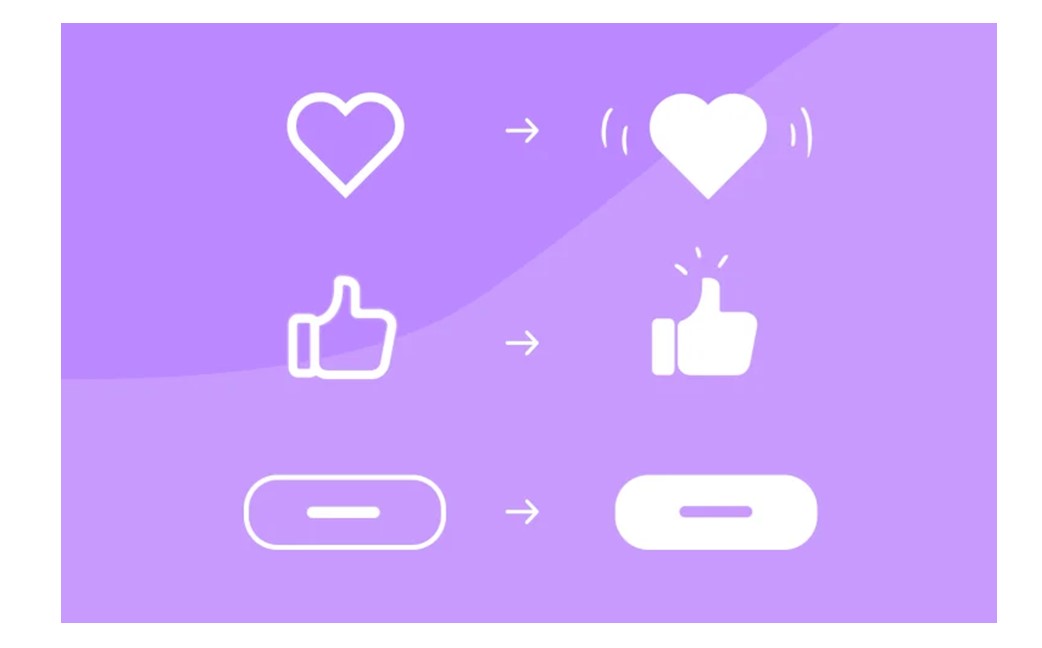
They infuse personality into your design. Think of Instagram’s heart animation when you like a post or Slack’s playful loading screens. These details create memorable experiences and reinforce brand identity.
4. Reduced Cognitive Load
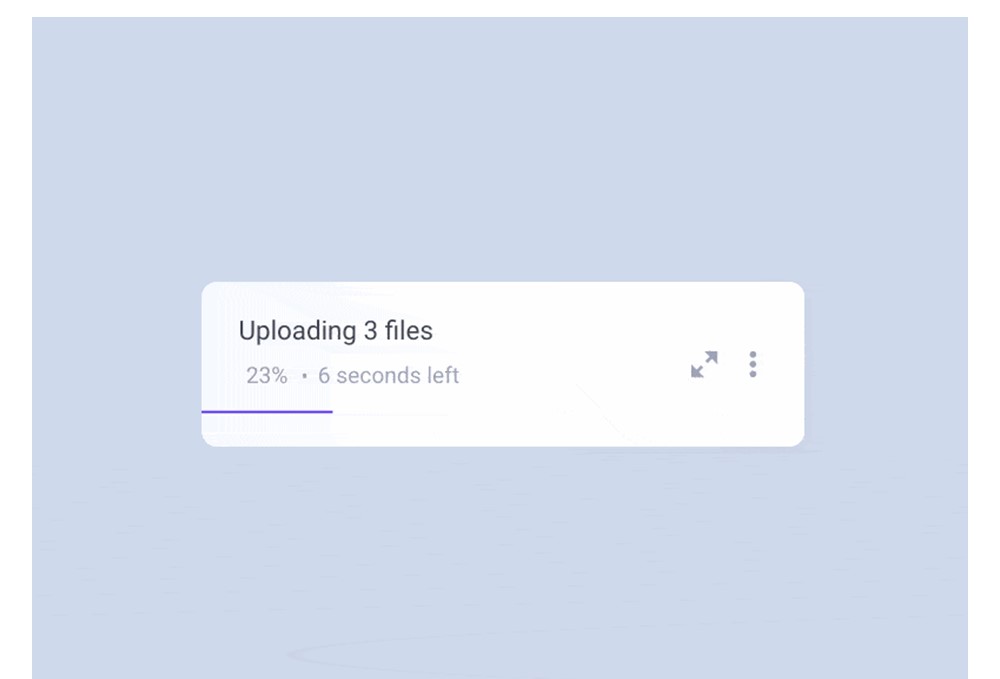
Visual cues like a spinning icon for loading are faster to process than text instructions, allowing users to stay focused on their tasks.
Anatomy of a Micro interaction
Every micro interaction has four key components:
- Trigger
The action that starts the micro interaction, like clicking a button or receiving a notification. User-initiated or system-initiated. - Rules
The conditions that define how the micro interaction behaves. For example, a loading spinner appears only when data retrieval takes longer than a second. - Feedback
The visual, auditory, or tactile response to the user’s action. This could be animations, colour change, sound effect, or vibration. - Loops and Modes
These dictate how the micro interaction resets or repeats over time. For instance, a “typing…” indicator in a messaging app loops until the message is sent.
Examples of Effective Micro interactions
- Gmail’s Undo Send
A small bar at the bottom gives you a brief window to undo sending an email — life-saving for catching typos or mistakes. - Facebook’s Reaction Emojis
The playful animations when selecting emojis encourage engagement, adding a fun layer to interactions. - Apple’s Face ID
The subtle unlock animation reassures users that their device recognizes them, reinforcing trust.
Designing Great Micro interactions
Want to craft impactful micro interactions? Keep these principles in mind:
- Keep Them Purposeful
Every micro interaction should serve a clear function. Avoid flashy, unnecessary animations that distract or confuse users. - Focus on Timing
Timing is critical. Too fast, and users won’t notice; too slow, and it becomes frustrating. Match the animation’s pace with the context, like a spinner duration that aligns with expected wait time. - Match the Brand Personality
Align micro interactions with your brand’s tone. Playful animations may suit a casual app, but a professional banking app should use subtle and polished effects. - Prioritize Accessibility
Design for all users. Offer visual alternatives to sound-based cues and haptic feedback for visually impaired users. - Test and Iterate
Real-world testing is essential. Gather user feedback to refine timing, placement, and design.
Tools to Create Micro interactions
Start bringing your micro interactions to life with these tools:
- Figma: Create seamless prototypes with the Smart Animate feature.
- Adobe After Effects: Perfect for crafting intricate animations.
- LottieFiles: Convert animations into lightweight, scalable assets using JSON.
- Principle: Test and design interactive UI animations.
The Impact of Small Details
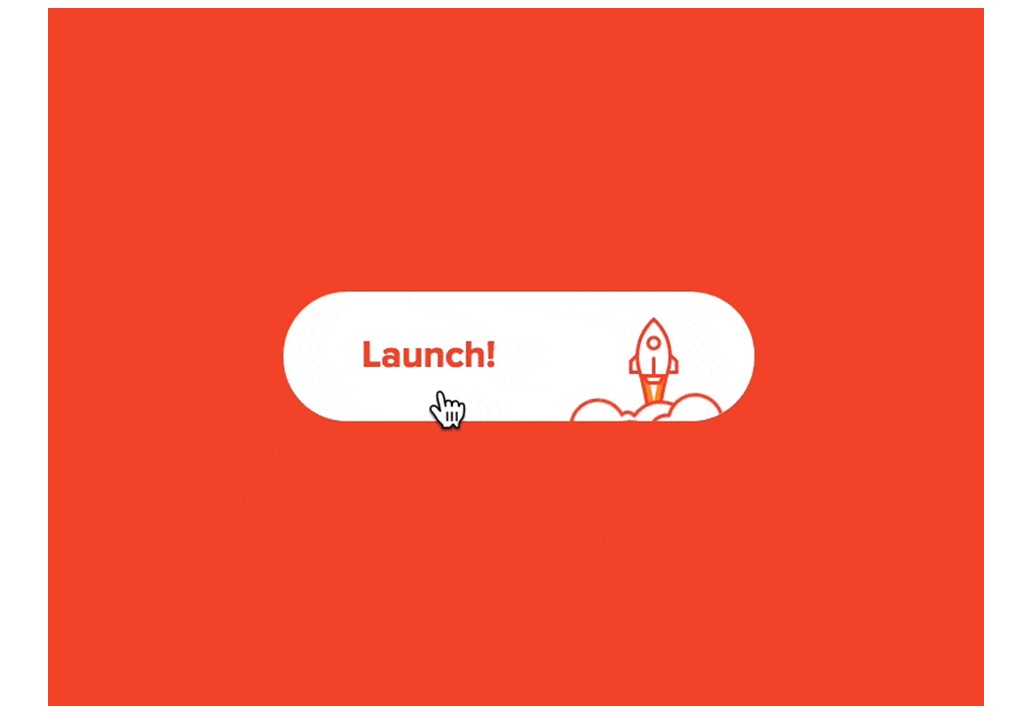
Surely, they prove that small details make big impressions. Whether it’s a tap, swipe, or click, these tiny moments can elevate user experiences from merely functional to genuinely delightful.
Ready to transform your UI? Experiment with micro-interactions and watch as your designs come alive, captivating users with every interaction.
Meet the Writer:
Oyinloluwa Adedoyin is a passionate Product Designer, Motion Designer, and UI Animation
Specialist with over six years of experience creating user-centered designs that merge aesthetics with functionality. Based in Nigeria, he has collaborated globally with brands like Spotify, TD Bank, Pepsi, and Simple Skincare.
Oyinloluwa has a proven track record of enhancing user experiences, boosting engagement, and driving measurable outcomes for companies like uLesson, UBA, VerifyMe, and Omnibiz Africa. A mentor and active community builder, he speaks at tech events like Devfest Lokoja and contributes to LottieFiles with over 1,000 downloads. With certifications in advanced animation and UX design, Oyinloluwa is dedicated to shaping the future of digital experiences by combining creativity, technology, and innovation.
Thank You for Reading!
Let’s connect: X | Linkedin | Figma | Dribbble | Vimeo
He can be reached via: 📧 work.adedoyin@gmail.com
Other posts by Oyinloluwa Adedoyin 📚



