



A new case study from Moniepoint Inc. examines four decades of Nigeria’s food service industry, tracing how settlement delays, unreliable payment confirmation, unchecked theft and limited access to credit, long-standing problems in the sector, have been addressed by the shift to real-time digital payment infrastructure.
Nigeria’s food commerce market was valued at $11.09 billion in 2025, according to the study by the Africa’s all-in-one financial ecosystem platform for individuals, businesses and their customers.
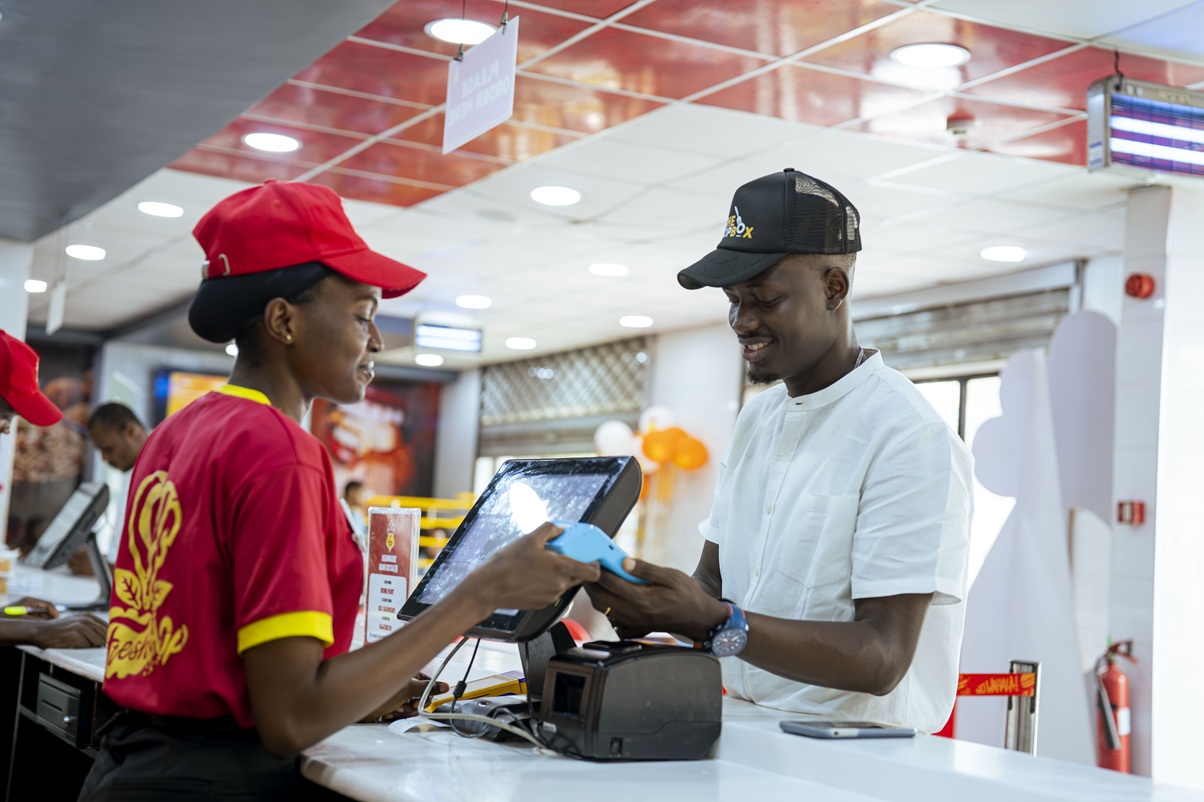
The sector has undergone a massive structural shift marked by food-delivery super-apps, as well as a new generation of cloud kitchens operating without a single dining chair, with the food service industry poised to experience unprecedented growth as the Nigerian market is projected to reach $19.31 billion by 2030, growing at 11.73% annually.
The study traces the industry’s roots from the UAC-owned Kingsway Rendezvous of 1973 and the 1986 launch of Mr Bigg’s, through the rise of Chicken Republic and other quick-service chains, to the present day, where food and drinks form the second-largest merchant sector on Moniepoint’s platform, trailing only retail.
Tosin Eniolorunda, group CEO of Moniepoint Inc., noted that
“Moniepoint believes financial inclusion is not just about access. It’s about dignity, about enabling people to transact on their terms. What’s happening in the food service sector today is significant. The real competitive question today is how deeply that payment infrastructure is woven into the way the business actually runs day to day. Moniepoint is sitting right at the centre of that shift. We are ensuring that payments are connected to inventory, inventory to recipes, recipes to procurement, procurement to credit, and credit to growth plans. By building out tools like Moniebook and Orda that match the operational reality of these culinary entrepreneurs, who act as mini-factories converting perishable raw materials into time-sensitive output, we are providing the digital operating system that drives sustainable scale for Nigeria’s socio-economic development.”
The report finds that for most of that history, Nigerian food businesses ran almost entirely on cash, with multi-location operators managing cash across a dozen or more outlets, facing constant exposure to loss, theft and human error.
The rise of bank transfers in the 2010s introduced a new pain point around confirming that the payment had actually landed before releasing an order.
At peak hours, the study notes, this manual verification could add two to five minutes to every transaction, with digital infrastructure most likely to falter precisely when demand and stakes were highest, especially during Christmas, New Year’s and Eid celebrations.
The study also documents how disconnected payment and inventory systems enabled operational leakage that was structurally difficult to detect, from unaccounted stock in the kitchen to under-ringing at the till and how Nigeria’s collateral-based lending system routinely locked thriving food businesses out of credit.
The International Finance Corporation estimates that the country’s unmet MSME credit demand was $32.2 billion in 2022, a gap that falls disproportionately on women, who, the report shows, own 86.8% of businesses in the accommodation and food services sector, the most female-dominated sector in the Nigerian economy.
To address these bottlenecks, Moniepoint introduced three structural interventions that reshaped the industry’s economics.
Moving away from the traditional $T+1$ bank settlement cycle, it provided instant, same-day access to funds, allowing operators to finance the next morning’s inventory directly from the previous day’s sales.
This was paired with automated transfer confirmation at the terminal to eliminate manual verification queues and an embedded lending model that used verified transaction history instead of property collateral to unlock bulk purchasing power ahead of seasonal surges. Driven by these updates and the tightening of the cashless policy, Moniepoint witnessed a 2,823% surge in QSR terminal usage.
Beyond payments, a unified business banking dashboard replaced month-end spreadsheets with real-time, role-based visibility to curb financial misconduct across multiple branches.
With Moniepoint’s launch of Moniebook and the acquisition of Orda, analysts say that the business is transitioning from a payment provider to a complete operating system, in line with its ecosystem ambition.
This integration allows culinary businesses to track ingredient depletion against precise recipes to expose hidden theft or portioning errors, while simultaneously consolidating fragmented orders from delivery apps, social media, and walk-ins into a single inventory ledger.
Some other insights from the study:
- Transaction volume across the industry peaks at lunch, between 1 pm and 2 pm, with a second evening peak at 7 pm reaching 10 to 15 times its level at 7 am – except online food delivery, which peaks and remains strong past 10 pm.
- Card payment activity records its biggest month-on-month jump of the year between November and December, while April is the industry’s quietest month for payment activity, running 46.3% below December’s.
This food service case study joins Moniepoint’s expanding pool of definitive thought leadership materials curated for the benefit of stakeholders, including regulators, investors, and the general public, aimed at enhancing their understanding of how digital payment ecosystems are transforming Nigeria’s commercial landscape across diverse sectors and market structures.



