

Nano Banana arrived fast in 2025, spread even faster, and ended the year as the most talked-about image editing system across Google’s ecosystem.
Many digital tools have attracted attention, but few have moved this quickly or changed how people think about creating images.
The model first appeared in August as Nano Banana, built for speed and clean edits. By November, Nano Banana Pro followed, adding more visual accuracy and stronger understanding of real-world detail.
That upgrade changed how people used it. What started as simple photo touch-ups turned into full creative workflows, from personal experiments to professional production.
Rather than one dominant use, Nano Banana triggered a flood of different behaviours. Some users focused on subtle edits, pushing lighting, mood and texture to extremes.
Night scenes lit by moonlight, soft shadows, and controlled contrast became common. Others went in the opposite direction, turning ordinary photos into stylised art pieces, cartoons and watercolour-style images that looked ready for print.
One interesting pattern was that people wanted consistency. Users began creating small 3D figurines from real pets, restoring old photographs without changing faces, or placing themselves into carefully staged scenes.

The aim was not beauty alone, but realism that holds up across multiple edits. That strength helped Nano Banana gain ground over tools that focus mainly on artistic flair.
There was also a strong pull towards storytelling. Comic strips, game boards and isometric cities appeared in large numbers. A single prompt could generate a three-panel story or a detailed underwater world.
For many users, this removed the gap between an idea and a visual explanation. I noticed that infographics became more complex too, mixing clean design with factual structure rather than decoration.
Fashion and personal identity were not left out as well. Hairstyle tests, outfit swaps and editorial-style portraits became everyday use cases. People wanted to see believable outcomes, whether it was a new haircut or a high-fashion scene with controlled lighting and colour balance.
Seasonal content added to it. Holiday portraits, restored family photos and themed edits showed how deeply the tool entered daily life. Puppies, gifts, pyjamas and warm lighting were not about novelty but memory-making. That emotional angle helped explain why adoption spread so quickly.
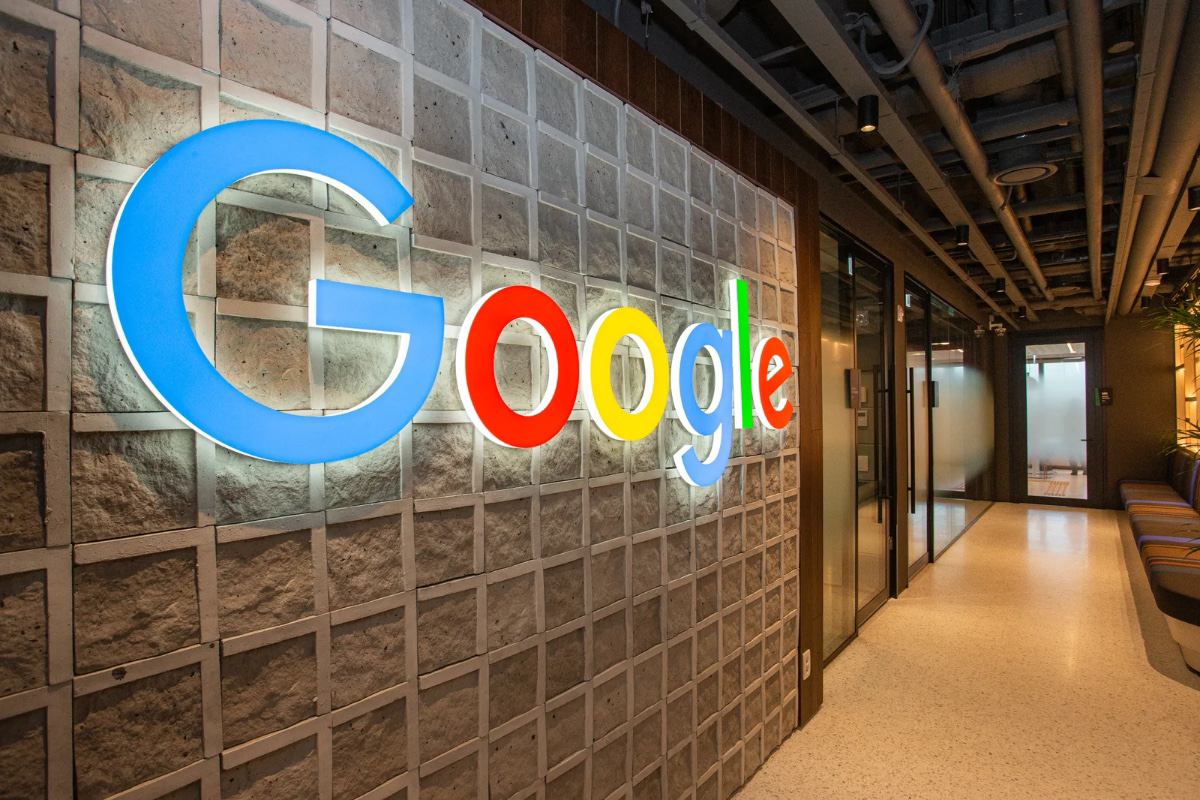
Nano Banana moved beyond its original app and landed in Search, NotebookLM, Google Workspace and Vertex AI. That reach changed the audience. Developers started building with it through the Gemini API. Businesses used it for marketing visuals, infographics and brand assets. What looked like a consumer trend became a professional tool.
By the end of 2025, Nano Banana was no longer limited to image editing, ithad become a visual engine for ideas, explanation and experimentation.
People did not just edit images anymore, they built worlds, tested identities and restored moments. That range is why Nano Banana closed the year at the top, not because it was overdoing, but because it worked where creativity met clarity.


Interesting overview of how Nano Banana evolved throughout 2025 and influenced creative workflows across personal and professional use. The emphasis on realism and consistency stands out as a key advancement.