



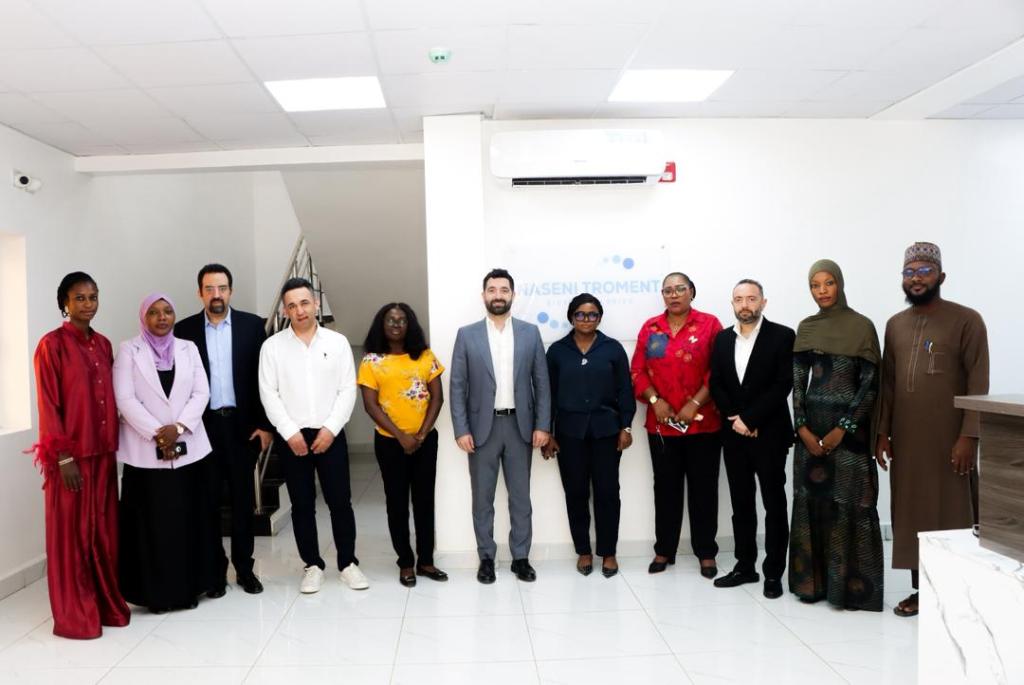
In a major push for Nigeria’s medical hardware sovereignty, NAFDAC officials were at the NASENI-TROMENT Biotechnology factory in Idu, Abuja, on Tuesday for a final inspection before granting a full production licence.
The facility, a strategic partnership between the National Agency for Science and Engineering Infrastructure (NASENI) and TROMENT Nigeria Limited, is designed to decentralize and localize the production of Rapid Diagnostic Test (RDT) kits.
The goal? To end Nigeria’s reliance on expensive, imported diagnostics and build a homegrown alternative.
The Numbers: 100,000 Kits Daily
If the NAFDAC green light arrives as expected, the factory is geared to produce over 100,000 test kits daily.
This isn’t just a win for healthcare logistics; it’s a significant job creator. The facility is projected to generate:
- 200+ direct jobs for specialized technicians and engineers.
- Thousands of indirect roles across the local supply and distribution chain.
The factory has already submitted 26 different products for registration, covering a broad spectrum of medical needs including Malaria, HIV, Hepatitis, COVID-19, and pregnancy tests.

Beyond the Border: WHO and Global Ambitions
NASENI-TROMENT isn’t just looking at the Nigerian market.
According to CEO and co-founder Dr. Selim Samir Hani, the factory is already eyeing international distribution.
“We have a lot of requests in the demand and supply chain from state governments; we are only waiting for the NAFDAC approval. Our factory is ready for full-scale production. We have already obtained our ISO certification from the United States and are currently in the process of registering with the World Health Organisation,” Hani stated.
Infrastructure as a Service (for Health)
Representing Khalil Suleiman Halilu, NASENI’s EVC/CEO, Dr. Chika Ezeanyanaso described the visit as historic.
For the agency, this factory is a case study in its new mandate: moving beyond research and into actual manufacturing.
By productizing biotechnology, NASENI is attempting to align with the federal government’s agenda of economic self-reliance, proving that Nigeria can build the tech it consumes.
If the licence is issued, NASENI-TROMENT could effectively become the primary engine for affordable, high-quality diagnostics in West Africa, shifting the narrative from Nigeria as a consumer of medical tech to a manufacturer of it.