


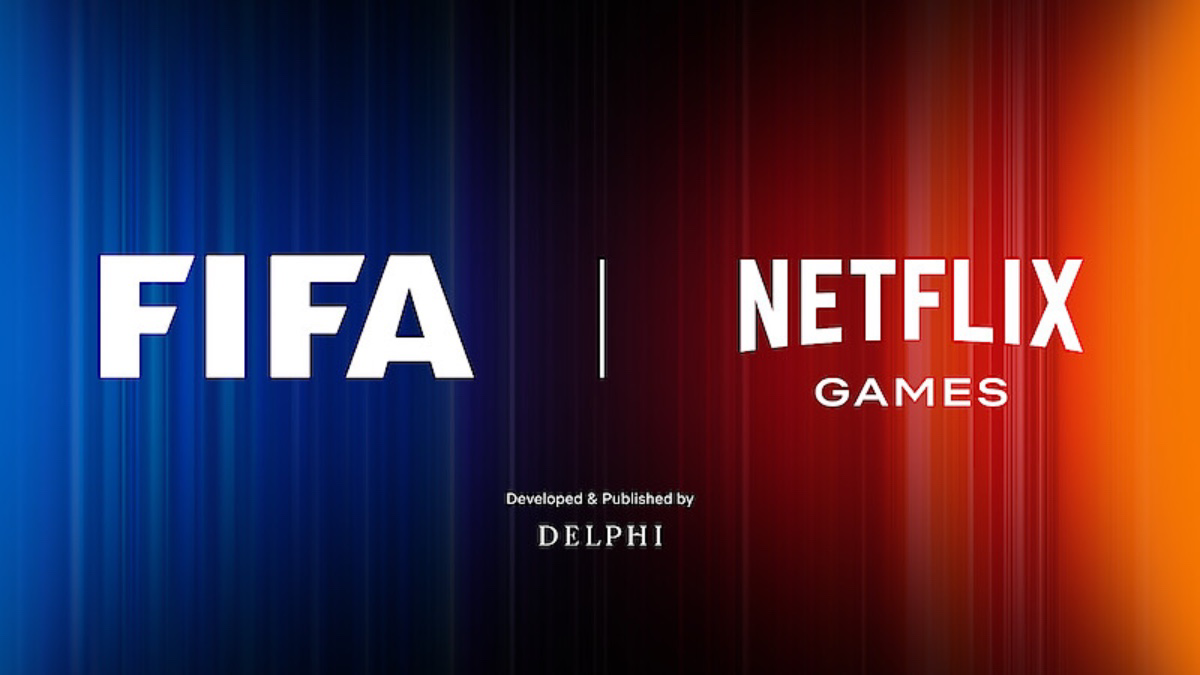
Netflix is expanding in gaming with a new FIFA football simulation, timed to launch alongside the 2026 World Cup in the United States, as the company tries to turn global sporting moments into long-term engagement.
The game, which will be exclusive to Netflix Games, is being developed and published by Delphi Interactive in partnership with FIFA. It is scheduled to arrive before the tournament kicks off in June next year, targeting fans who want a quick, social way to play rather than a complex console experience.
The title will run on televisions, with players using their phones as controllers, keeping it within Netflix’s growing casual gaming ecosystem.
This looks like a calculated attempt to anchor Netflix’s gaming vision to an event that already commands global attention. Football is the most-watched sport in the world, and the World Cup offers built-in reach that few entertainment launches can match.
FIFA itself said the partnership is meant to bring the “emotion and drama of the tournament” into a new interactive format.
This release sits within a gaming framework Netflix outlined earlier this year. In March 2025, the company said it would focus on four areas: story-led narrative games, multiplayer party titles, children’s games, and licensed mainstream properties.

FIFA, alongside the upcoming James Bond game “007 First Light”, falls squarely into the licensed category, designed to attract audiences who already know the brand.
Despite years of spending and experimentation, Netflix’s games have largely failed to break through in the way its films and series have. Engagement has been low, prompting changes in leadership and a sharper focus on familiar names such as “GTA: San Andreas” and “Red Dead Redemption”.
The company’s vision may soon extend far beyond casual titles. Netflix is currently leading talks to acquire major assets from Warner Bros Discovery in a deal valued at $72 billion, or $82.7 billion including debt. The package includes some of the industry’s most respected studios, behind franchises such as “Mortal Kombat”, “Batman Arkham”, “Hogwarts Legacy” and LEGO games.
While Netflix co-CEO Gregory Peters has said the gaming studios are a “minor component” of the entire transaction, analysts argue their value could be strategic. Ownership of these teams would give Netflix a direct path into big-budget, premium game development, a space it has not yet fully entered.
Alongside this, Netflix has been building out cloud gaming technology and adding controller support, putting it closer to services like Xbox Cloud Gaming and PlayStation Plus. What began as a mobile add-on is gradually evolving into something more ambitious.
The FIFA game and the Warner Bros talks point to the same goal, which is keeping subscribers inside the Netflix ecosystem for longer. Games, unlike films, do not end after two hours.