

ADVERTISEMENT
Tuesday, June 2, 2026
Tech | Business | Economy
No Result
View All Result
  • Technology
    • Trends
    • Telecoms
      • Broadband
    • ConsumerTech
      • Gadgets and Appliances
      • Apps
      • Accessories
      • Reviews
      • Unboxing
    • EnterpriseTECH
    • Security & Data Protection
    • How To
  • Business
    • Company News
    • StartUPs
      • Founder’s Story
      • Funding
    • Deals
    • People & Moves
    • SME & Entrepreneur Focus
    • BUSINESS SENSE FOR SMEs
    • Competition & Market Positioning
    • Commerce & Mobility
    • Travel
    • WomenPreneurs
  • Economy
    • Macroeconomic Trends
      • Macro Monday
      • TE Insights
    • Finance
      • Banks
      • Fintech
      • Insurance
      • Digital Assets
      • Personal Finance
    • Policies
      • Tech & Society
    • Market Analysis
    • Jobs & Workforce Economy
  • Features
    • Guest Writer
      • Chidiverse
      • Digital Assets
      • GameTech
    • EventDIARY
    • IndustryINFLUENCERS
    • MarkTECH
    • TBS
    • NewsEXTRA
  • Editorial
  • Brand Content
  • TECHECONOMY TV
Tuesday, June 2, 2026
Tech | Business | Economy
No Result
View All Result
Tech | Business | Economy
No Result
View All Result

Home » Network Density: What Airtel’s Expansion Means for Nigeria’s Connectivity Future

Network Density: What Airtel’s Expansion Means for Nigeria’s Connectivity Future

| By: Akintunde Collins

Techeconomy by Techeconomy
March 12, 2026
in Telecoms
Reading Time: 3 mins read
0
My Airtel App + eShop | Airtel’s coverage expansion | telecom regulations

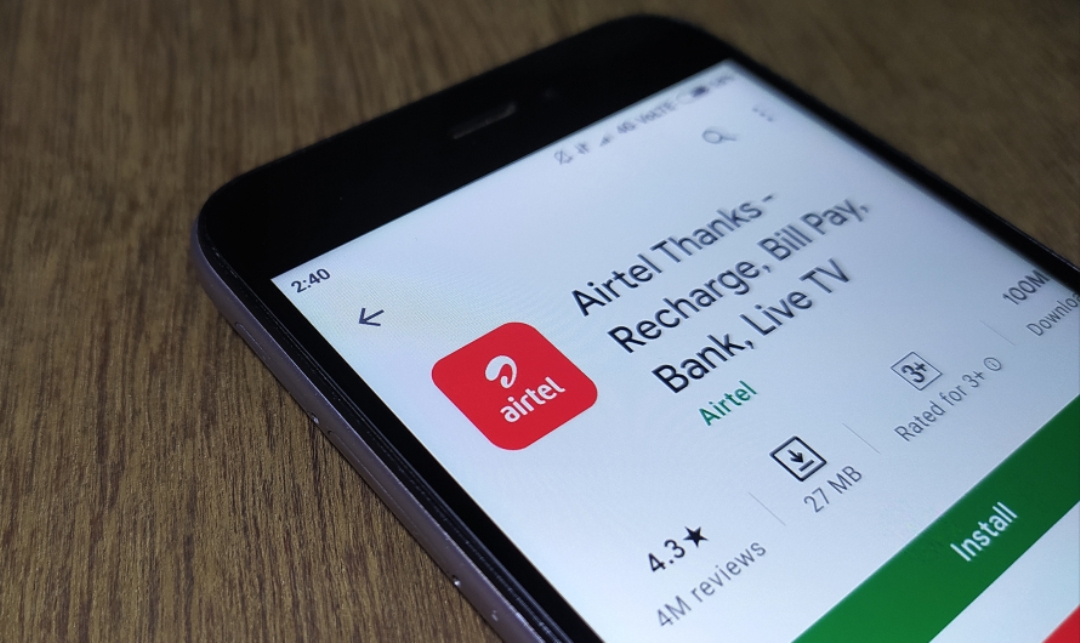
My Airtel App on Play Store

Nigeria’s telecom sector is entering a phase where network density and infrastructure scale are becoming just as important as speed in determining the quality of mobile experience.

With smartphone adoption rising rapidly and digital services, from fintech to video streaming, driving unprecedented levels of data traffic, operators are increasingly investing in network expansion and capacity upgrades to maintain performance.

Recent industry data published by the Nigerian Communications Commission (NCC) shows that Nigeria now has over 170 million active mobile subscriptions, with broadband penetration surpassing 50 percent. This growth has significantly increased pressure on telecom infrastructure across the country.

Airtel Nigeria Eko Atlantic Data Centre
Dinesh Balsingh, MD/CEO, Airtel Nigeria

Against this backdrop, Airtel Nigeria has been accelerating network expansion, adding thousands of new sites across the country while upgrading capacity across existing infrastructure.

According to recent industry disclosures and data referenced by the NCC, Airtel has expanded its network footprint significantly over the past two years. Since December 2023, the operator has added 2,242 new network sites, a 15.5% increase bringing its total footprint to nearly 16,711 sites nationwide.

Subscribe to our Telegram channel for the latest updates.

Follow the latest developments with instant alerts on breaking news, top stories, and trending headlines.

Join Channel

The company has also enhanced capacity on more than 5,000 sites across Nigeria, aimed at supporting rising data demand in dense urban clusters while improving performance in suburban and rural communities.

For users, this expansion translates to something more tangible than raw speed numbers: fewer dropped calls, stronger indoor coverage, improved streaming quality, and more stable connections during peak periods.

While telecom conversations often focus on download speeds, the everyday experience of mobile users is shaped more directly by network density. In practical terms, the number of sites deployed across a network determines, congestion levels during peak usage, call stability and drop-call rates, indoor coverage, and overall network reliability.

As data consumption rises, especially in major cities like Lagos, Abuja, and Port Harcourt, network densification becomes essential to maintain service quality. Adding new base stations distributes traffic more efficiently, reducing the strain on existing infrastructure and improving the consistency of service experienced by users.

Airtel’s expansion strategy appears to target two distinct but complementary priorities, urban capacity expansion and rural connectivity,

Nigeria’s largest cities are experiencing an explosion in data usage driven by streaming, remote work, fintech transactions, and cloud services. Expanding network sites in these areas helps reduce congestion and improves user experience for both individuals and businesses.

At the same time, large portions of Nigeria remain underserved by broadband infrastructure. Therefore, Airtel’s coverage expansion into these areas play a critical role in advancing national goals around digital inclusion with connectivity enabling, mobile banking for unbanked populations, access to digital education platforms, telemedicine and healthcare information services and participation in Nigeria’s digital marketplace.

Reliable connectivity is increasingly critical for Nigeria’s SME ecosystem and for many businesses, network consistency often matters more than peak download speeds.

Thousands of businesses rely on mobile networks as their primary connectivity infrastructure therefore, improving network availability and stability supports, faster fintech transaction processing, reliable communication channels, improved digital customer engagement and cloud-based business tools.

As Nigeria’s digital economy continues to expand, telecom operators face growing pressure to support rising data demand. Infrastructure investment, particularly in network sites, fibre backhaul, and high-capacity transmission systems has become central to maintaining service quality as millions of additional users come online.

In this context, the current phase of network expansion across the sector represents more than routine upgrades. It reflects the ongoing effort to build a resilient connectivity backbone capable of supporting Africa’s largest digital economy.

For users, the impact will likely be measured less in speed tests and more in everyday experience: stable connections, wider coverage, and reliable access to the digital services that increasingly power modern life.

*Collins, an accountant and telecommunications industry analyst, resides in Lagos.

0Shares
MTN Live It 100 Thematic Campaign
Previous Post

Techeconomy IWD 2026 Power List Celebrates 100 Women Shaping the Future of Tech

Next Post

Meta to Shift Europe’s Digital Tax Burden to Advertisers with New Ad Fees

Techeconomy

Techeconomy

Related Posts

Vertiv CoolChip CDU2300 solution

Vertiv Targets AI Boom with EMEA Liquid Cooling Launch 

May 30, 2026
facts behind the sustrainability | MTN Nigeria greenhouse gas emissions

MTN Nigeria Sets Telecom Sector Benchmark for Sustainability Reporting 

May 30, 2026

Vertiv Enables OADC to Scale AI, Hyperscale Workloads at Jo’burg Data Centre

May 30, 2026
Load More
Next Post
Meta location fees on ads

Meta to Shift Europe’s Digital Tax Burden to Advertisers with New Ad Fees

Leave a Reply Cancel reply

Your email address will not be published. Required fields are marked *

I agree to the Terms & Conditions and Privacy Policy.

This site uses Akismet to reduce spam. Learn how your comment data is processed.

Techeconomy Podcast
Techeconomy Podcast

The Techeconomy Podcast is a thought-leadership show exploring the powerful intersection of technology, business, and the economy, with a strong focus on Africa’s fast-evolving digital landscape.

Financing the Future: Venture Debt, Local Capital & African Innovation | TBS May 2026 Webinar
byTecheconomy

Africa’s innovation ecosystem is evolving, but where will the funding for the next generation of startups come from?

In this edition of the Techeconomy Business Series (TBS) May 2026, industry experts explore how local capital, venture debt, and smarter investment structures are redefining startup growth and innovation across Africa.

🎙️ Featured Speakers:

* Ebunoluwa Ashley-Dejo

* Damilare Davola

* Success Ajilore (STN & Accelerated Plus)

Key conversations in this webinar include:

✔️ The future of startup financing in Africa

✔️ Venture debt and alternative funding models

✔️ The role of local investors in scaling innovation

✔️ Sustainable investment strategies for African startups

✔️ Opportunities and challenges in the African tech ecosystem

Subscribe for more conversations shaping Africa’s digital economy and innovation landscape.

#TBS2026 #AfricanInnovation #VentureDebt #StartupFinance #TechInAfrica #Techeconomy #AfricanStartups #InnovationEconomy

Financing the Future: Venture Debt, Local Capital & African Innovation | TBS May 2026 Webinar
May 27, 2026
Techeconomy
PROTECTING INNOVATION IN AFRICA’S STARTUP ECOSYSTEM
April 29, 2026
Techeconomy
BUILDING TRUST IN AFRICA ECOSYSTEM
February 27, 2026
Techeconomy
Navigating a Career in Tech Sales
January 29, 2026
Techeconomy
How Technology is Transforming Education, Health, and Business
November 27, 2025
Techeconomy
Search Results placeholder
MTN Live It 100 Thematic Campaign
ADVERTISEMENT
  • About Us
  • Careers
  • Contact Us
  • Privacy Policy

© 2026 TECHECONOMY.

No Result
View All Result
  • Technology
  • Business
  • Economy
  • Features
  • Editorial
  • Brand Content
  • TECHECONOMY TV

© 2026 TECHECONOMY.

This website uses cookies. By continuing to use this website you are giving consent to cookies being used. Visit our Privacy and Cookie Policy.


