


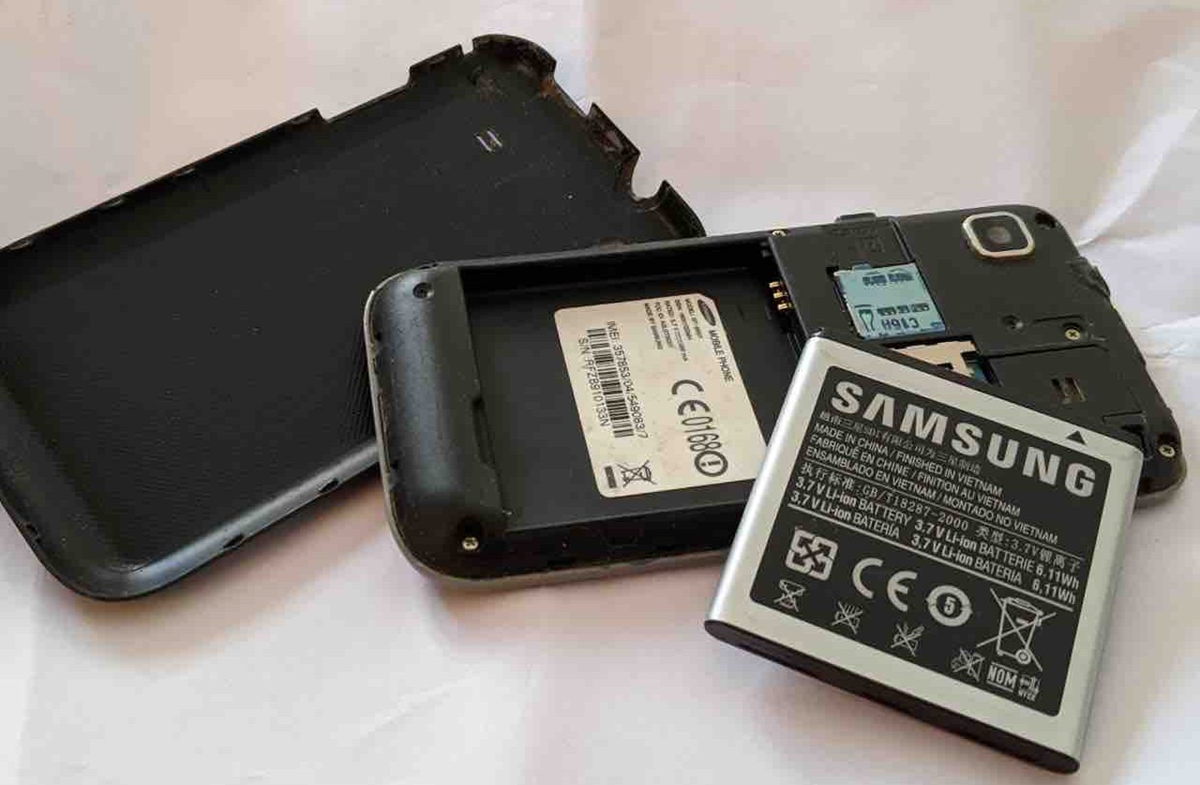
Desco Electronic Recyclers is addressing the challenges posed by the disposal of lithium-ion (Li-Ion) batteries.
Contrary to widespread misconceptions, the company is implementing sophisticated, effective recycling processes, ensuring that valuable materials are recovered safely and efficiently.
Li-Ion batteries, essential for powering modern devices, pose significant disposal challenges. Despite the prevalent belief that recycling these batteries is rudimentary and inefficient, Desco’s advanced mechanical processing system demonstrates otherwise.
The process involves grinding the batteries to separate materials such as steel, copper, and plastic, resulting in a black mass that contains lithium, cobalt, nickel, and other valuable elements.
While these procedures recover essential resources, the black mass is not exposed or recovered locally. Additionally, strict safety protocols are followed to mitigate environmental hazards.
Notwithstanding the critical need for recycling Li-Ion batteries, an alarming 90% of these batteries are not recycled globally, leading to millions of tons of waste each year.
In South Africa alone, an estimated 18,000 tons of lithium-ion batteries reach the end of their life annually, with most ending up in landfills or being incinerated.
This not only causes significant environmental harm but also results in the loss of valuable materials such as lithium, cobalt, and nickel that could otherwise be recovered and reused.
Misconceptions about recycling Li-Ion batteries are common, but Desco is actively taking on this challenge.
Although recycling these batteries is costly and requires a significant volume to be viable, South Africa lacks the necessary volume for an in-house refinery.
Desco is addressing this significant issue by employing advanced recycling technologies to process tons of Li-Ion batteries each year.
Through rigorous mechanical processing, the company recovers valuable materials, including steel, copper, and plastic.
The remaining black mass, containing critical elements like lithium and cobalt, is sent to specialised facilities overseas for further extraction.
This approach helps mitigate environmental impacts and supports a sustainable, circular economy by reducing the need for new raw material extraction.
Giulio Airaga, director of Desco, says despite this, they are committed to processing Li-Ion batteries and sending the resulting materials overseas for extraction and reuse.
“We prioritise safety, as mishandling these batteries can be hazardous. Therefore, we employ special vehicles and handling teams to ensure safe logistics before processing,” Giulio Airaga.
Desco’s operations comply with the Extended Producer Responsibility (EPR) regulations, ensuring that all recycling activities are traceable and environmentally responsible.
This compliance underscores the company’s commitment to transparency and sustainability, providing clients with detailed reports on the recycling process and its environmental impact.
He says regardless of the availability of effective recycling solutions, misconceptions persist within the industry.
“It’s frustrating to see the market suggesting there are no viable solutions for Li-Ion battery recycling when, in fact, comprehensive processes exist and are being utilised. Our industry needs better communication and awareness to bridge this gap.”
Desco is dedicated to promoting a zero-waste cyclical market, where materials are continuously reused, reducing reliance on new mining activities.
This vision aligns with global sustainability goals and contributes to a more sustainable future for all.
“We urge businesses and individuals to adopt responsible recycling practices. Proper disposal of Li-Ion batteries and electronic waste is crucial for protecting the environment and conserving resources,” he concludes.




Comments 1