

ADVERTISEMENT
Tuesday, June 2, 2026
Tech | Business | Economy
No Result
View All Result
  • Technology
    • Trends
    • Telecoms
      • Broadband
    • ConsumerTech
      • Gadgets and Appliances
      • Apps
      • Accessories
      • Reviews
      • Unboxing
    • EnterpriseTECH
    • Security & Data Protection
    • How To
  • Business
    • Company News
    • StartUPs
      • Founder’s Story
      • Funding
    • Deals
    • People & Moves
    • SME & Entrepreneur Focus
    • BUSINESS SENSE FOR SMEs
    • Competition & Market Positioning
    • Commerce & Mobility
    • Travel
    • WomenPreneurs
  • Economy
    • Macroeconomic Trends
      • Macro Monday
      • TE Insights
    • Finance
      • Banks
      • Fintech
      • Insurance
      • Digital Assets
      • Personal Finance
    • Policies
      • Tech & Society
    • Market Analysis
    • Jobs & Workforce Economy
  • Features
    • Guest Writer
      • Chidiverse
      • Digital Assets
      • GameTech
    • EventDIARY
    • IndustryINFLUENCERS
    • MarkTECH
    • TBS
    • NewsEXTRA
  • Editorial
  • Brand Content
  • TECHECONOMY TV
Tuesday, June 2, 2026
Tech | Business | Economy
No Result
View All Result
Tech | Business | Economy
No Result
View All Result

Home » Nigeria: Capital Importation Down 51.90% to $1.25bn in Q3

Nigeria: Capital Importation Down 51.90% to $1.25bn in Q3

Seven banks in Q3 did not report any inflow, they include Globus Bank, Heritage Banking Company Limited, NOVA Merchant Bank, Skye Bank Plc, Suntrust Bank Nigeria Ltd, Unity Bank Plc, and Lotus Bank Limited

Staff Writer by Staff Writer
December 9, 2024
in Finance
Reading Time: 2 mins read
0
CBN FX revaluation gains directives to Banks, Forex, Capital importation | WFP Hunger Funding

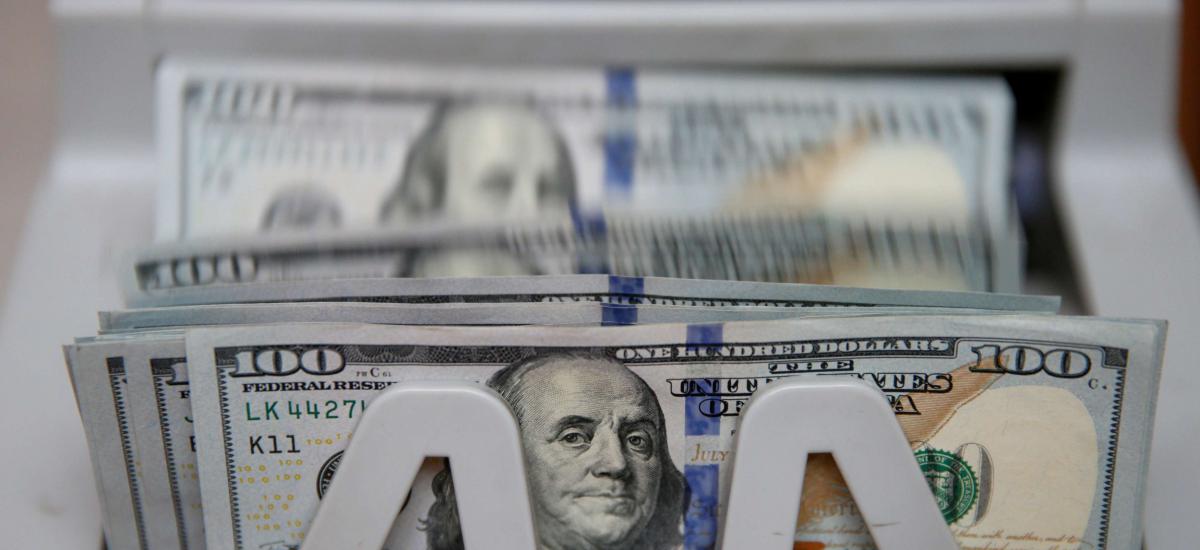
Dollar

Nigeria’s capital importation fell sharply by 51.90 per cent in the third quarter of 2024, totaling $1.25 billion, down from $2.60 billion in Q2 2024.

However, this represents a 91.35 per cent increase compared to $654.65 million in Q3 2023, according to the National Bureau of Statistics.

The decline was primarily driven by reduced foreign direct investment, which accounted for only 8.29 per cent of total inflows. Portfolio investments dominated at 71.79 per cent, with the banking sector receiving the largest share, attracting $579.48 million.

The capital importation for Q3 was also the lowest inflows recorded this year.

The Q3 2024 figure also reflects a sharp contrast to $3.4 billion inflows recorded in the first quarter (Q1) of the year, signaling a three straight decline this year.

Subscribe to our Telegram channel for the latest updates.

Follow the latest developments with instant alerts on breaking news, top stories, and trending headlines.

Join Channel

This was driven by a 35.98 per cent decline in the country’s portfolio investment to $899 million from $1.4 billion in the previous quarter and a 78.67 per cent decline in its other investment during the period under review.

Despite the slump in overall capital importation, foreign investment into Nigeria increased by 248.07 per cent to $103 billion in Q3 from $289.8 billion in Q2, reflecting renewed confidence in the economy, albeit gradually.

The report said, “In Q3 2024, total capital importation into Nigeria stood at $1,252.66 million, higher than $654.65 million recorded in Q3 2023, indicating an increase of 91.35 percent. In comparison to the preceding quarter, capital importation declined by 51.90 per cent from $2,604.50 million in Q2 2024.”

The NBS report noted that capital importation during the reference period originated largely from the United Kingdom with $502.60 million, showing 40.12 per cent of the total capital imported.

“This was followed by the Republic of South Africa with $185.03 million (14.77 per cent) and the United States with $163.86 million (13.08 per cent).”

In terms of states that recorded capital importation investment, the report said five states – Lagos state (51.92 per cent), Abuja (FCT 47.9 per cent), Kaduna state (0.16 per cent), Enugu and Ekiti – reported the highest inflows.

On the other hand, Bayelsa, Ebonyi, Gombe, Jigawa, Kebbi, Taraba, Yobe, and Zamfara have not generated FDIs in the last six years, it disclosed.

The report further disclosed that, “Standard Chartered Bank Nigeria Limited received the highest capital importation into Nigeria in Q3 2024 with $385.62 million (30.78 per cent), followed by Stanbic IBTC Bank Plc with $382.08 million (30.50 per cent) and — and Citibank Nigeria Limited with $192.88 (15.40 per cent).

“Seven banks in Q3 did not report any capital inflow, they include Globus Bank, Heritage Banking Company Limited, NOVA Merchant Bank, Skye Bank Plc, Suntrust Bank Nigeria Ltd, Unity Bank Plc, and Lotus Bank Limited,” the NBS report said.

0Shares
MTN Live It 100 Thematic Campaign
Previous Post

NITDA, Education Ministry Handshake Towards 95% Digital Literacy 2030 Agenda

Next Post

Embed Digital Literacy in Varsity Courses, NITDA to NUC

Staff Writer

Staff Writer

Related Posts

IMTOs naira settlement accounts | FX Exchange Market | Parallel | Black | CBN naira-only remittance | Dollar to

Dollar to Naira Exchange Rate Today, June 1, 2026

June 1, 2026
Sylvester Okpe is Powering Nigeria’s Cricket | Yellow Greens

From Yellow Greens to Green Bucks: How Sylvester Okpe is Powering Nigeria’s Cricket Betting Boom

June 1, 2026

Pound to Naira FX Rate Today, May 29, 2026

May 29, 2026
Load More
Next Post
NITDA and NUC

Embed Digital Literacy in Varsity Courses, NITDA to NUC

Leave a Reply Cancel reply

Your email address will not be published. Required fields are marked *

I agree to the Terms & Conditions and Privacy Policy.

This site uses Akismet to reduce spam. Learn how your comment data is processed.

Techeconomy Podcast
Techeconomy Podcast

The Techeconomy Podcast is a thought-leadership show exploring the powerful intersection of technology, business, and the economy, with a strong focus on Africa’s fast-evolving digital landscape.

Financing the Future: Venture Debt, Local Capital & African Innovation | TBS May 2026 Webinar
byTecheconomy

Africa’s innovation ecosystem is evolving, but where will the funding for the next generation of startups come from?

In this edition of the Techeconomy Business Series (TBS) May 2026, industry experts explore how local capital, venture debt, and smarter investment structures are redefining startup growth and innovation across Africa.

🎙️ Featured Speakers:

* Ebunoluwa Ashley-Dejo

* Damilare Davola

* Success Ajilore (STN & Accelerated Plus)

Key conversations in this webinar include:

✔️ The future of startup financing in Africa

✔️ Venture debt and alternative funding models

✔️ The role of local investors in scaling innovation

✔️ Sustainable investment strategies for African startups

✔️ Opportunities and challenges in the African tech ecosystem

Subscribe for more conversations shaping Africa’s digital economy and innovation landscape.

#TBS2026 #AfricanInnovation #VentureDebt #StartupFinance #TechInAfrica #Techeconomy #AfricanStartups #InnovationEconomy

Financing the Future: Venture Debt, Local Capital & African Innovation | TBS May 2026 Webinar
May 27, 2026
Techeconomy
PROTECTING INNOVATION IN AFRICA’S STARTUP ECOSYSTEM
April 29, 2026
Techeconomy
BUILDING TRUST IN AFRICA ECOSYSTEM
February 27, 2026
Techeconomy
Navigating a Career in Tech Sales
January 29, 2026
Techeconomy
How Technology is Transforming Education, Health, and Business
November 27, 2025
Techeconomy
Search Results placeholder
MTN Live It 100 Thematic Campaign
ADVERTISEMENT
  • About Us
  • Careers
  • Contact Us
  • Privacy Policy

© 2026 TECHECONOMY.

No Result
View All Result
  • Technology
  • Business
  • Economy
  • Features
  • Editorial
  • Brand Content
  • TECHECONOMY TV

© 2026 TECHECONOMY.

This website uses cookies. By continuing to use this website you are giving consent to cookies being used. Visit our Privacy and Cookie Policy.


