



Appetite for data has reached a new high in Nigeria, with total internet consumption hitting over 13.2 million terabytes in 2025, while monthly usage surged 1.38 million terabytes in December alone.
This digital explosion in Nigeria is triggered in periods like Easter. What used to be a calm religious period has become a peak window for streaming, mobile engagement and digital spending.
Lately, Easter has gone beyond being observed in churches to being consumed across screens.
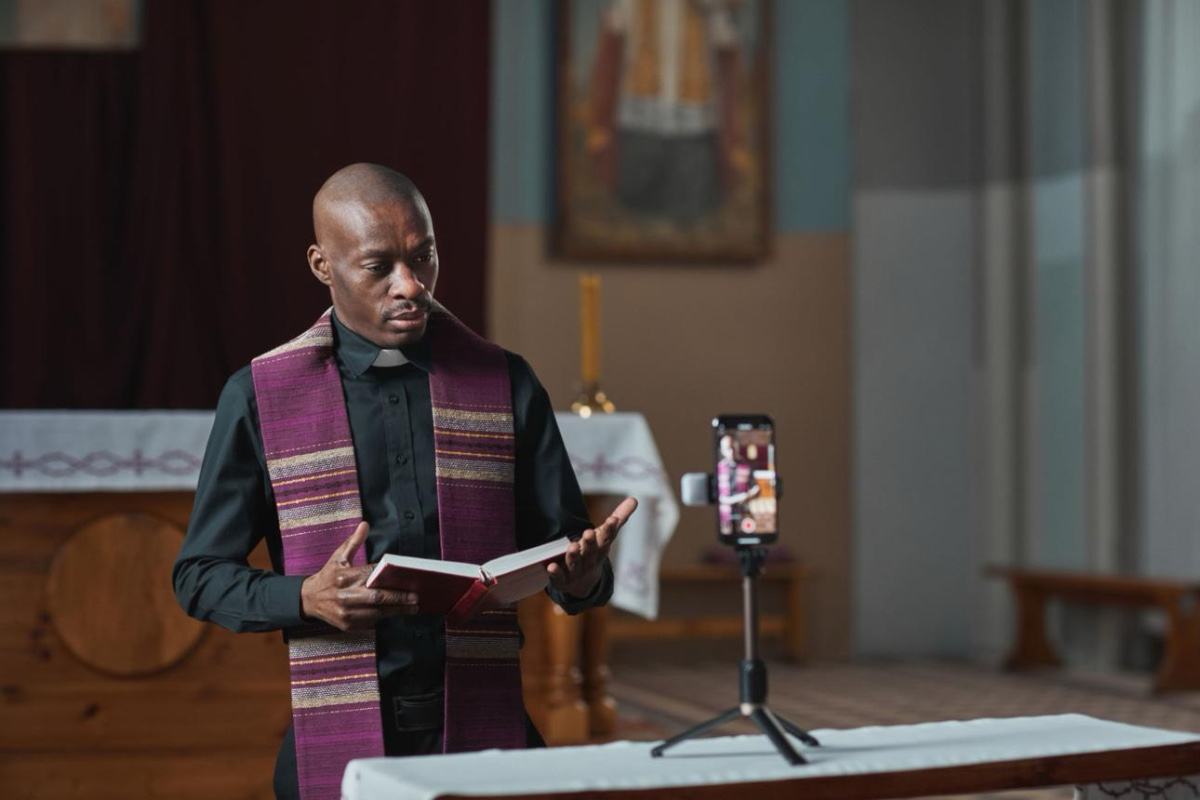
Pews to platforms
There is still strong church attendance, which has not changed. What has changed is what happens before and after.
Phones are now part of the experience.
Nigeria has over 151 million internet subscribers, almost entirely driven by mobile access. This means Easter is no longer a shared schedule but a personalised, on-demand experience.
The growth of the “digital pulpit”
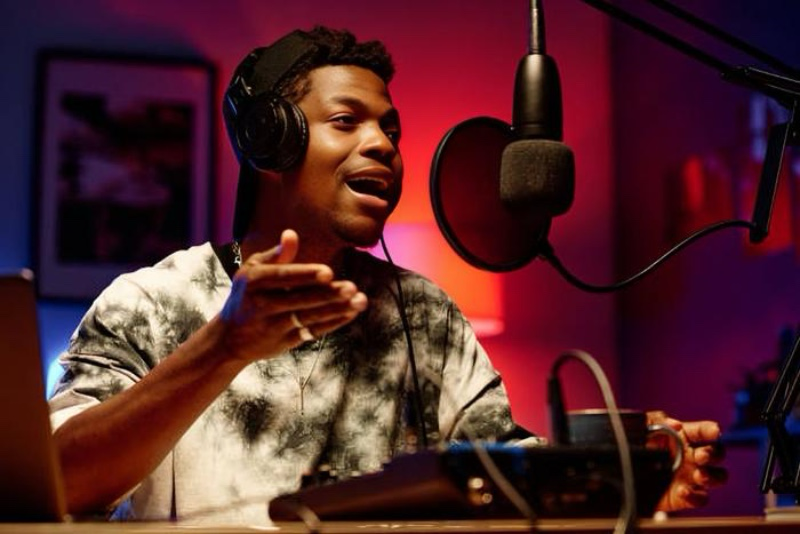
One of the most obvious changes this year is what I would call the digital pulpit.
Worship is no more tied to location, it moves with the user.
Podcasts, livestreams and recorded sermons are now done alongside traditional services. In many cases, they extend them. A message heard on Sunday is replayed on Monday morning traffic.
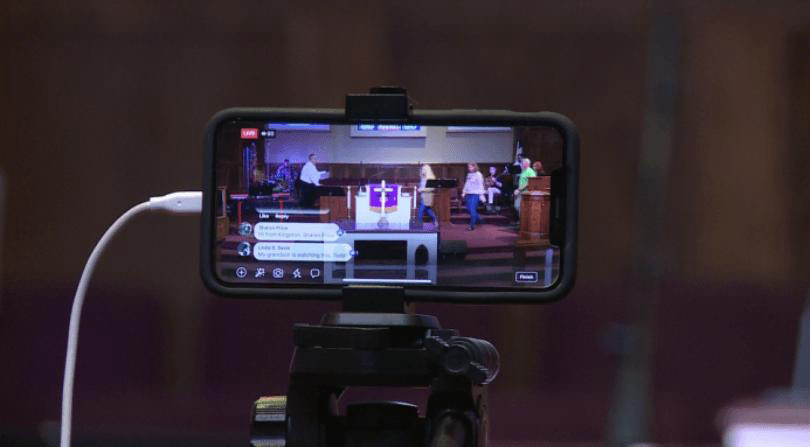
The data supports it:
- Faith-based podcast listening is steeply increasing
- More than 90% of streams happen on mobile devices
This is structured engagement not casual listening. Voices like Emmanuel Iren and Femi Lazarus are building large digital audiences. Their content blends theology with production quality, clear audio, clipped messages, and distribution across platforms.

The growth stresses that spiritual influence is longer limited to physical reach because digital distribution now defines it.
What Nigerians are watching: streaming takes over

Easter viewing has changed completely.
It used to be scheduled television, a few biblical films, and fixed times. Now it is on-demand.
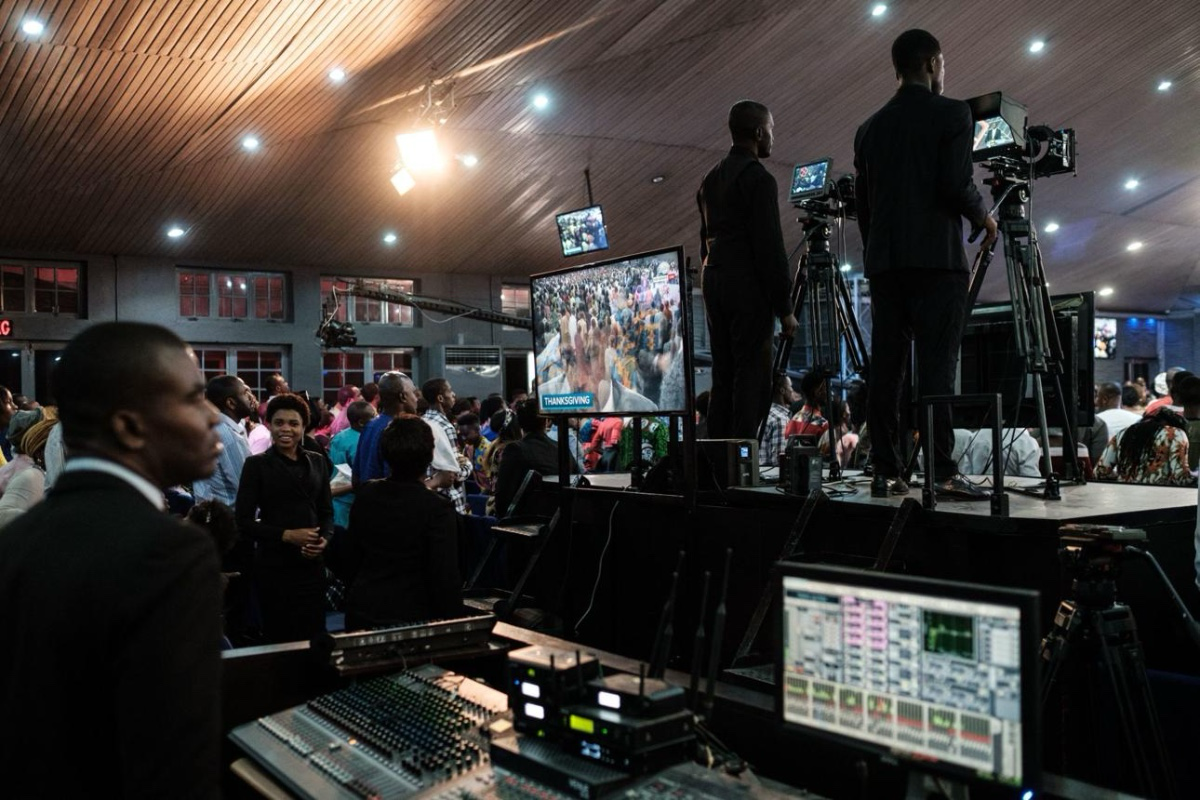
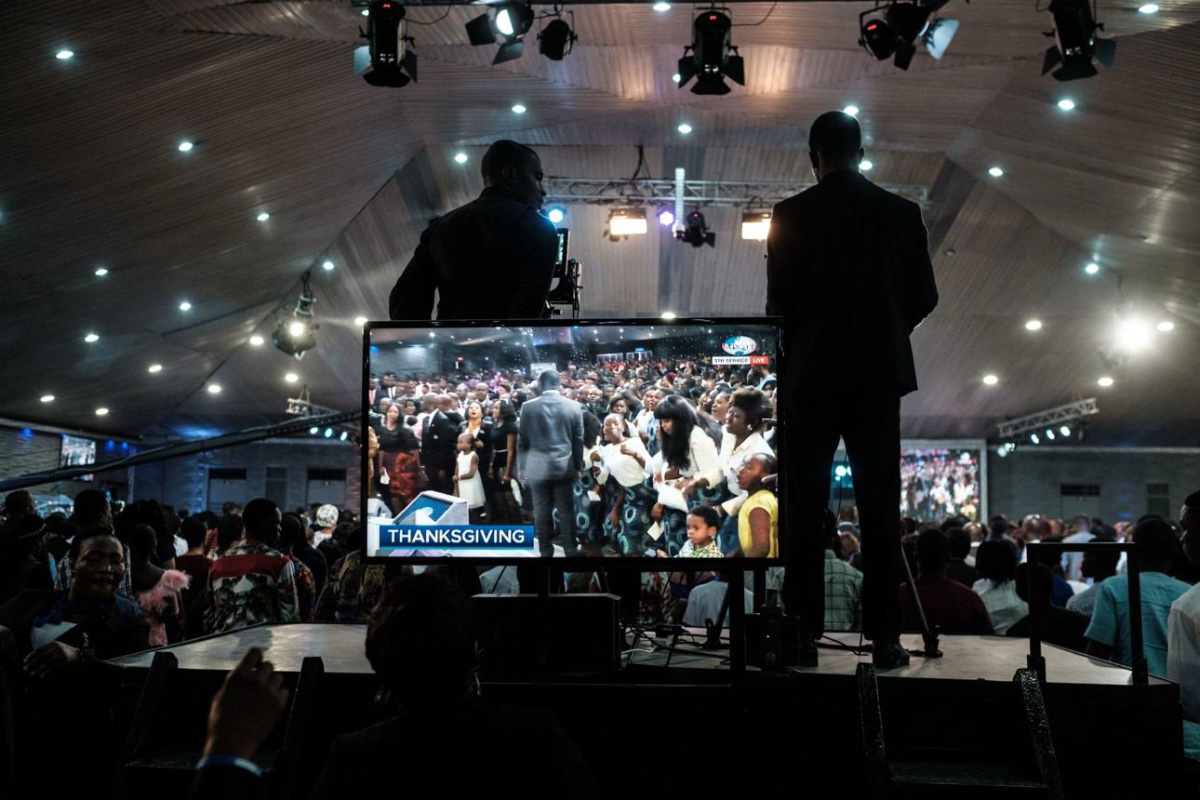
- Church services stream live on YouTube
- Films are watched on mobile screens
- Content is replayed, clipped, and shared
 At the same time, Nollywood is adjusting.
New titles like Avante (released April 3) are entering a congested digital space, while Behind the Scenes still tops as the highest-grossing Nollywood title into 2026.
Looking at distribution, platforms such as Africa Magic and YouTube are competing for attention, especially for indigenous content. Yoruba and Igbo language productions have seen around 87% growth in viewership and listening over the past year.
Easter is now a competition for attention, not just a moment of reflection.
The gospel streaming explosion

Music is still major during Easter, but the format has changed. Streaming platforms now carry most of the weight.
Data from Spotify shows that gospel and praise streams have grown by over 5,000% since 2021, ascertaining structural growth.
This week, playlists are doing the work once handled by choirs and CDs.
Artists like:
- Nathaniel Bassey
- Moses Bliss
- Dunsin Oyekan
are topping streams.
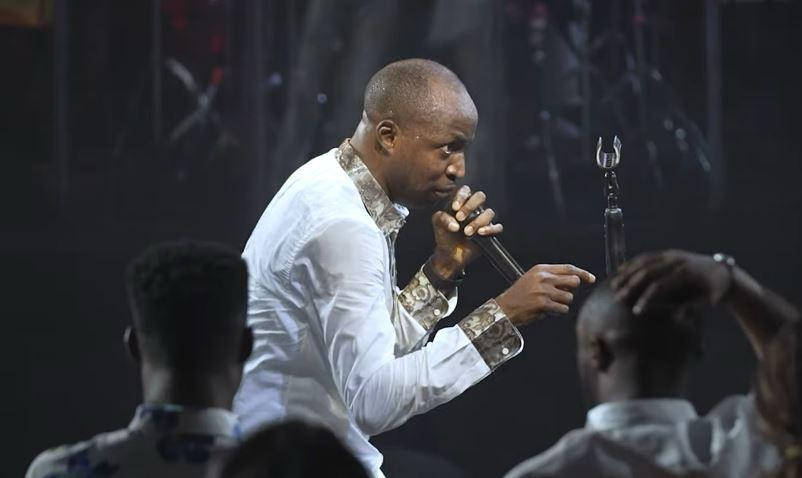 Dunsin Oyekan’s “Naija Worship” playlist takeover in early April reflects a wider shift. Curation has become as important as creation.
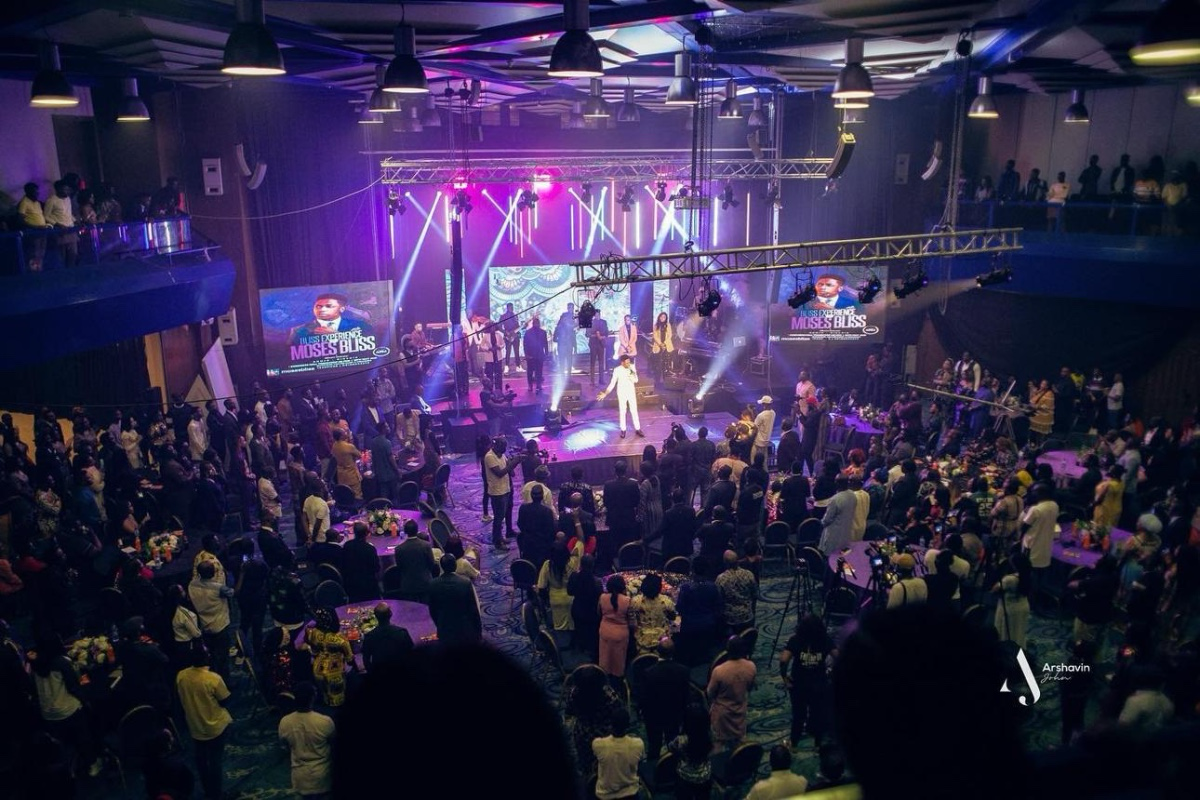
Worship is now on-demand, replayable, and algorithm-driven.

Reading, but differently
Reading has not disappeared, it has just changed shape.
Long books have given way to:
- Daily devotionals
- Short scripture posts
- Mobile-first reading
Apps like YouVersion Bible App are highly used here.
WhatsApp broadcasts and social media captions now carry a large share of spiritual content. It is quick, shareable and constant.
Reflection has been compressed into digital moments.
Gaming: the competitor
There is another aspect to Easter that isn’t usually unnoticed, and that’s gaming.
Holidays create downtime. Downtime drives play.
Titles like:
- Call of Duty: Mobile
- EA Sports FC Mobile
compete directly with films, sermons and music for attention.
Attention is limited.
Even during religious periods, platforms are competing for the same hours.
Social media: where Easter is performed
Easter now lives online.
- Instagram carries fashion and lifestyle
- TikTok spreads choir clips and sermon highlights
- WhatsApp distributes devotionals
What used to be private is now shared.
Easter is no longer just experienced, it is performed.
The economics: follow the data
Behind all this activity is money.
Nigeria’s telecom sector has changed. Data, not voice, now drives revenue growth.
Monthly internet spending has surged, with Nigerians spending an estimated ₦721 billion on data in a single month in 2025.
The beneficiaries are:
- MTN Nigeria
- Airtel Nigeria
- Streaming platforms
- Content creators
There is also a behavioural change.
People are now gifting:
- Data bundles
- Subscriptions
- Digital access
instead of physical items.
Easter consumption can now be measured in gigabytes.
A change driven by pressure
The high prices have made travel and large gatherings more expensive. Many people are staying in, and when they stay in, they go online.
Digital becomes the substitute.
It is cheaper, flexible and fits the moment.
The contradiction
There is a tension at the centre of all this.
Faith encourages stillness.
Technology encourages engagement.
The same platforms that deliver sermons and worship are designed to keep users scrolling, watching and listening.
That tension is not going away.
The change is permanent
Easter itself has not changed, the meaning is the same. But the way Nigerians experience it is what has changed.
Looking at podcasts, playlists, livestreams and even data bundles, we see what Easter is.
It is mobile.
It is personalised.
It is monetised.
And most of all, it is measured in data, in streams, and in time spent on screen.