



| By: Freedom Chimereze FORCE
In the everyday lexicon of Nigerians, few phrases capture the sting of systemic frustration quite like “Nigeria has happened to me.”
It surfaces after a power outage ruins perishable stock, a bureaucratic delay scuttles a business deal, inflation erodes savings overnight, or insecurity claims a loved one.
The expression, which gained wider currency around the 2023 elections and persists into 2026, blends resignation with dark humour. It externalises misfortune onto the nation itself rather than isolated events or personal failings.
A National Orientation Agency campaign launched in late 2024 sought to flip the script to “Nigeria Happens to Me,” urging ownership and active citizenship.
Yet the original phrasing endures because it names a lived reality: for millions, the country’s dysfunction feels less like bad luck and more like an ambient condition that shapes, scars, and sometimes breaks people. Nigeria’s macroeconomy in 2026 tells a story of partial stabilisation amid persistent hardship.
GDP growth hovers around 3.9-4.4 per cent, foreign reserves have strengthened, and headline inflation has moderated from peaks near 35 per cent toward 15-16 per cent.
Reforms such as fuel subsidy removal and exchange-rate unification, initiated in 2023, delivered painful short-term adjustments but laid groundwork for some fiscal breathing room.
However, these gains have not translated evenly. The World Bank reports that 61 per cent of Nigerians live below the poverty line, with 79 per cent either poor or vulnerable to poverty.
Food inflation remains elevated, and nearly 35 million people face acute food insecurity risks in the lean season. Power supply continues to hobble productivity; available generation often lingers around 4,000 MW for a population exceeding 230 million, with frequent grid disturbances and transmission losses costing billions of naira.
Businesses, especially listed companies, spent over ₦400 billion on alternative power in the first quarter of 2026 alone. Against this backdrop, the phrase “Nigeria has happened to me” functions as both diagnosis and coping mechanism. It acknowledges that individual effort often collides with structural barriers, unreliable infrastructure, policy volatility, and an economy where formal jobs remain scarce.
Roughly 93 per cent of employment sits in the informal sector: traders, artisans, transporters, and smallholder farmers generating far lower output per worker than the formal minority. Self-employment dominates, with limited social protection, irregular income, and vulnerability to shocks.
When the grid fails or fuel prices spike, the burden falls heaviest on those least equipped to absorb it. The expression thus reflects not mere complaint but recognition that “the system” frequently individualises collective failure.
This dynamic feeds directly into Nigeria’s celebrated yet costly “hustle culture.” What is often romanticised as innate resilience or entrepreneurial spirit is, for many, a scarred adaptation to engineered scarcity. With formal employment limited and wages lagging living costs, millions cobble together multiple income streams, side gigs, trading, gig work, just to stay afloat. Long hours become normalised; rest feels like failure. Mental health consequences are mounting. Studies and clinician reports document rising anxiety, depression, burnout, and stress-related physical ailments among entrepreneurs and young workers.
High work-related stress correlates with psychological distress; the pressure to “push on” masks exhaustion that erodes creativity, relationships, and long-term productivity.
The deeper cost lies in individualism’s triumph over collective agency. When every setback is framed as “Nigeria happening to me,” the impulse to organise, demand accountability, or pursue structural remedies weakens. Systemic issues, governance gaps, infrastructure deficits, policy inconsistency, become personal crosses to bear rather than shared problems to solve.
This individualisation stabilises the status quo: people channel energy into personal survival rather than coordinated pressure for better institutions.
Extreme adaptations, such as underground “hustle kingdoms” offering quick but illicit paths to wealth, illustrate how blocked legitimate routes breed risky alternatives.
Meanwhile, genuine ingenuity and community solidarity exist but struggle against the daily grind that leaves little bandwidth for deeper thinking or sustained mobilisation. Investigative scrutiny reveals patterns that data alone obscures.
Interviews and social media chronicles show the phrase deployed across classes: a market woman whose generator fuel costs consume profits, a professional whose career stalls amid frequent blackouts and policy shifts, families navigating healthcare or education crises.
Positive counter-narratives, “May Nigeria happen to me,” highlight success stories of those who leveraged national networks or turned challenges into opportunities. Yet these remain exceptions that prove the rule for the majority trapped in low-productivity cycles.
The refrain also risks fatalism, externalising responsibility while downplaying citizen agency in perpetuating or challenging dysfunction through everyday choices like tax compliance, civic participation, or ethical business practices.
Reframing the narrative without denying hardship is essential. The NOA’s “Nigeria Happens to Me” initiative rightly emphasises ownership: citizens shaping outcomes through integrity, innovation, and collective action rather than passive endurance.
Progress requires moving beyond hustle-as-survival toward productivity-enhancing reforms that expand formal, decent work; reliable energy through accelerated renewables and grid modernisation; and social protections that reduce precarity.
Reparative approaches, targeted investments in human capital, green recovery initiatives creating sustainable jobs, and policies addressing historical and structural inequities, could convert individual resilience into national strength. Nigeria possesses extraordinary assets: a young population, entrepreneurial energy, abundant resources, and a vibrant diaspora.
Realising their potential demands confronting the conditions that make “Nigeria has happened to me” feel inevitable. This means prioritising job quality over mere quantity, infrastructure that lowers the cost of doing business, education aligned with economic needs, and governance that rebuilds trust. Mental health support must enter the mainstream, destigmatising burnout and equipping people to sustain effort without self-destruction.
The phrase need not remain a lament. When citizens, policymakers, and institutions treat Nigeria’s challenges as shared responsibilities rather than private misfortunes, the expression can evolve from a sigh of defeat into a catalyst for ownership.
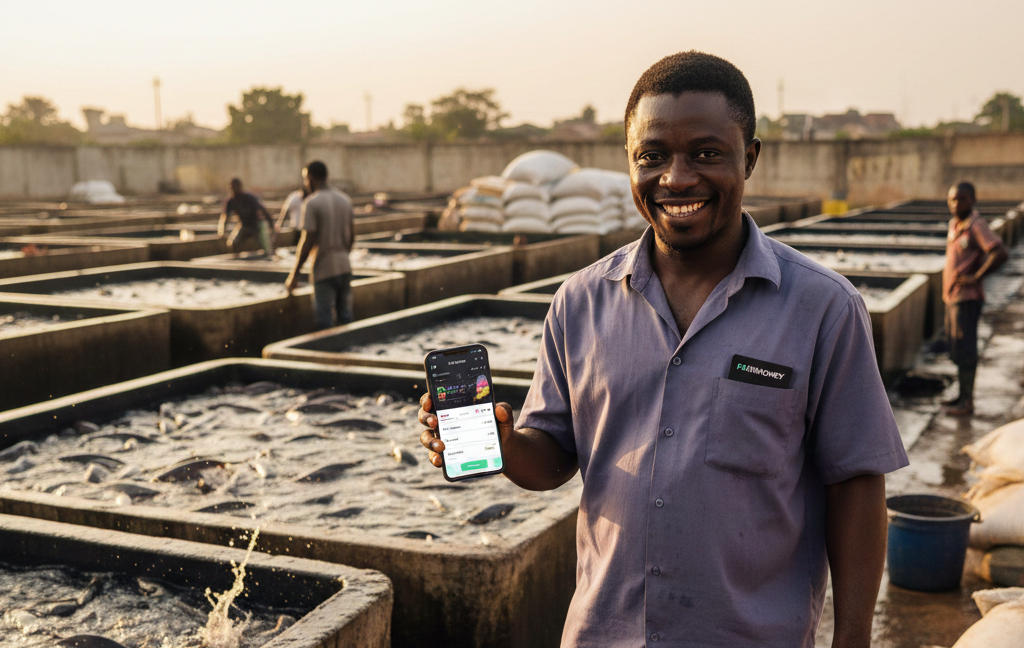
Hustle then becomes choice rather than compulsion, and the country’s vast potential stops happening to its people and starts happening with and for them. The alternative, continued individualisation of systemic strain, risks entrenching exhaustion and foreclosing the collective imagination required for genuine transformation.
Nigeria’s story is still being written; whether it continues as recurring misfortune or becomes a tale of reclaimed agency rests on choices made today.



