



Nigeria is losing an estimated 2–3% of annual GDP growth due to persistent inefficiencies in its supply chain management (SCM) ecosystem, according to a January 2026 report by Rome Business School Nigeria.
The report identifies infrastructure deficits, policy inconsistencies, and security risks as the most critical bottlenecks undermining the smooth flow of goods across the country.
Nigeria has about 195,000 kilometres of roads, but only a small fraction is paved, driving up transportation costs by as much as 40% and increasing the final price of goods by up to 30%.
In agriculture, where the sector contributes roughly 25% of GDP and employs over 35% of the workforce, weak logistics and storage systems result in post-harvest losses of up to 40% for crops such as tomatoes and maize.
he report notes that smallholder farmers, who produce 80–90% of Nigeria’s food, are disproportionately affected, limiting food security and income growth.
The manufacturing sector has also suffered heavily. SCM failures, combined with energy instability and logistics costs exacerbated by the 2023 fuel subsidy removal, have contributed to factory shutdowns and the loss of an estimated 1.5 million manufacturing jobs.
Despite these challenges, the report argues that targeted investments in roads, ports, cold-chain infrastructure, and digital logistics systems could unlock significant economic value.

Improved SCM efficiency alone could add billions of dollars to national output while reducing inflationary pressures driven by high distribution costs.
… 200,000 barrels of crude lost daily
Nigeria’s oil and gas supply chains, responsible for about 90% of the country’s foreign exchange earnings, are bleeding value due to theft, vandalism, and logistical delays.
The Rome Business School Nigeria report reveals that crude oil theft and illegal bunkering account for losses of approximately 200,000 barrels per day, while upstream operators face customs delays that inflate operating costs by 20–30%.
These inefficiencies weaken government revenues and reduce investor confidence in the sector.
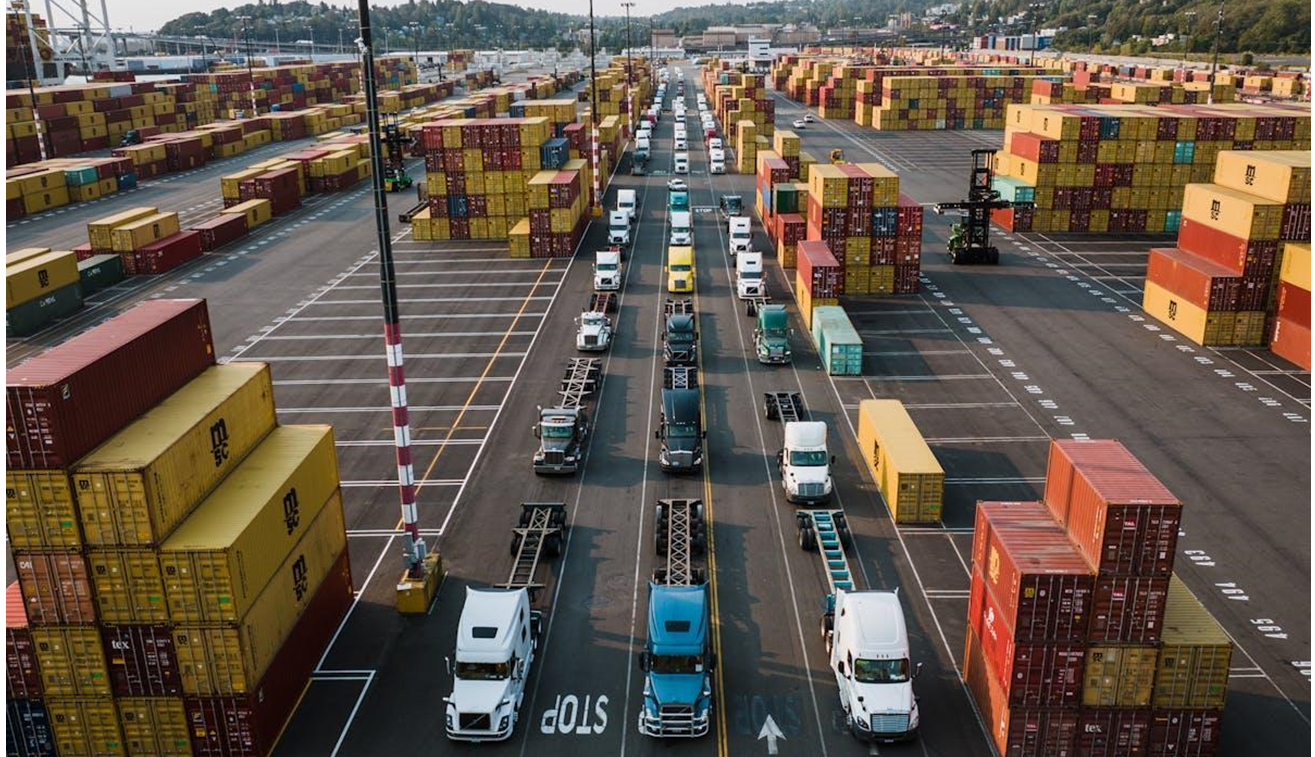
Maritime logistics remain another major pressure point. Nigeria relies on sea transport for over 95% of exports and 97% of imports, with Lagos ports, particularly Apapa, handling around 42% of inbound cargo.
Yet port congestion, outdated customs procedures, and manual documentation systems cost businesses an estimated $4 billion annually in demurrage.
To address these challenges, the Nigerian Customs Service launched the Authorized Economic Operator (AEO) programme in 2025, aimed at fast-tracking clearance for trusted traders and improving supply chain security. The report notes that such reforms, if fully digitised and scaled, could significantly reduce dwell time and logistics costs.
Beyond oil, improved SCM could strengthen non-oil exports, especially in agriculture and manufacturing, reducing Nigeria’s historic dependence on petroleum revenues and stabilising foreign exchange inflows.