

ADVERTISEMENT
Wednesday, June 10, 2026
Tech | Business | Economy
No Result
View All Result
  • Technology
    • Trends
    • Telecoms
      • Broadband
    • ConsumerTech
      • Gadgets and Appliances
      • Apps
      • Accessories
      • Reviews
      • Unboxing
    • EnterpriseTECH
    • Security & Data Protection
    • How To
  • Business
    • Company News
    • StartUPs
      • Founder’s Story
      • Funding
    • Deals
    • People & Moves
    • SME & Entrepreneur Focus
    • BUSINESS SENSE FOR SMEs
    • Competition & Market Positioning
    • Commerce & Mobility
    • Travel
    • WomenPreneurs
  • Economy
    • Macroeconomic Trends
      • Macro Monday
      • TE Insights
    • Finance
      • Banks
      • Fintech
      • Insurance
      • Digital Assets
      • Personal Finance
    • Policies
      • Tech & Society
    • Market Analysis
    • Jobs & Workforce Economy
  • Features
    • Guest Writer
      • Chidiverse
      • Digital Assets
      • GameTech
    • EventDIARY
    • IndustryINFLUENCERS
    • MarkTECH
    • TBS
    • NewsEXTRA
  • Editorial
  • Brand Content
  • TECHECONOMY TV
Wednesday, June 10, 2026
Tech | Business | Economy
No Result
View All Result
Tech | Business | Economy
No Result
View All Result

Home » Nigeria-Malaysia Trade Hits $1.23bn in 2025

Nigeria-Malaysia Trade Hits $1.23bn in 2025

Exports Surge 20% in 2025

Staff Writer by Staff Writer
March 20, 2026
in Finance
Reading Time: 2 mins read
0
non-oil revenue | TCI Port | Nigeria and Malaysia

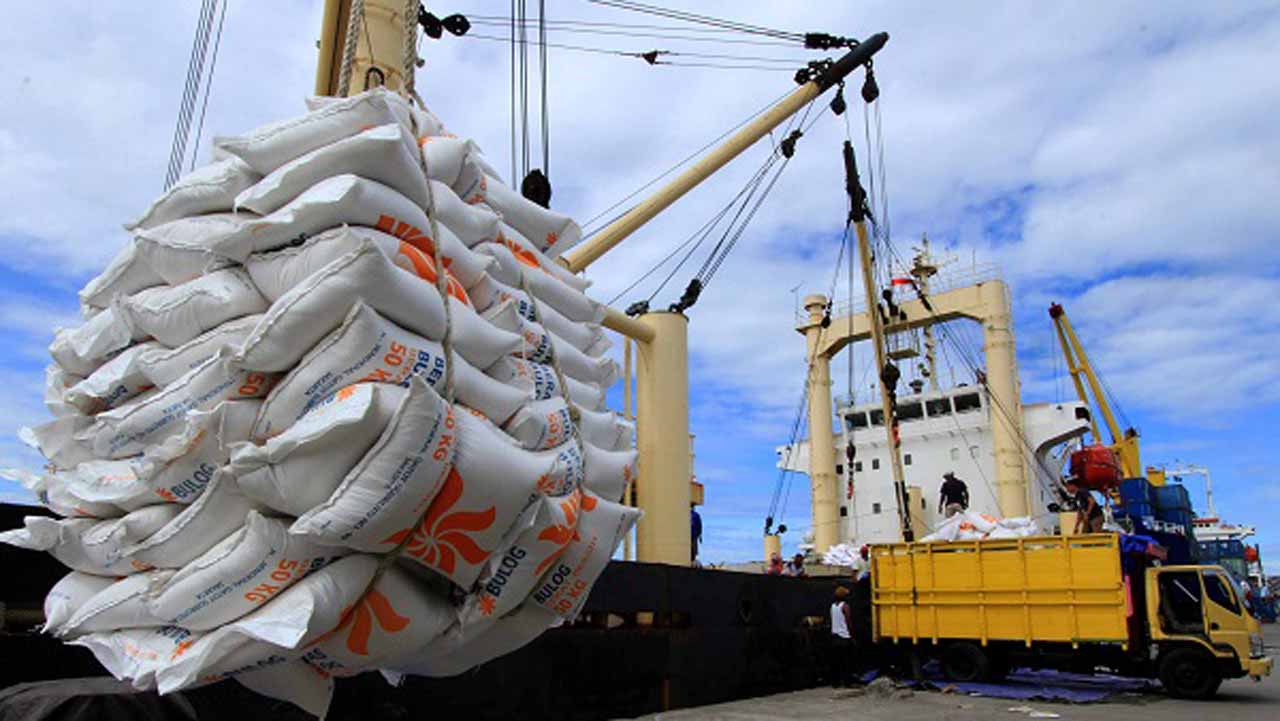
Good for export (Guardian)

Bilateral trade relations between Nigeria and Malaysia reached a new milestone in 2025, with total trade volume hitting $1.23 billion, underscored by a significant 20.7% growth in Malaysian exports to Nigeria.

Data released by the High Commission of Malaysia in Nigeria shows that Malaysian exports reached $664 million last year.

This surge positions Nigeria as Malaysia’s fourth-largest trading partner in Africa and 43rd globally, reflecting a deepening economic engagement between the two nations.

Palm Oil and Machinery Lead the Charge

The growth was primarily anchored by agricultural products, specifically palm oil and its derivatives, which saw a 33.7% increase.

However, the report also highlighted a massive spike in high-value industrial goods:

Subscribe to our Telegram channel for the latest updates.

Follow the latest developments with instant alerts on breaking news, top stories, and trending headlines.

Join Channel
  • Transport Equipment: Recorded a staggering 1,260% growth.
  • Machinery & Parts: Increased by 8%.
  • Processed Food: Grew by 1%.

In exchange, Nigeria’s exports to Malaysia were dominated by agricultural products (54.7%), petroleum products (22.9%), and metalliferous ores (10.3%).

Beyond the exchange of goods, Malaysian companies are increasingly shifting toward “technical services and technology transfer.”

High Commissioner Aiyub Omar noted that Malaysian firms are currently developing approximately 151,800 hectares of oil palm plantations in Nigeria.

These projects often utilize Build-Operate-Transfer (BOT) arrangements and specialized plantation management expertise to help Nigeria reclaim its position as a global palm oil powerhouse.

The Halal industry is another emerging frontier for collaboration. With Malaysia’s global Halal exports projected to reach $18.98 billion by 2030, the High Commission is encouraging Nigerian businesses to integrate into the global Halal ecosystem through platforms like the Malaysia International Halal Showcase (MIHAS).

The $3 Billion Opportunity in Medical Tourism

A notable highlight of the trade report is the focus on healthcare.

Jude Dass, Trade Counsellor at MATRADE Lagos, identified medical tourism as a key area for future growth.

With Nigerians estimated to spend between $1.5 billion and $3 billion annually on medical tourism in destinations like India and the UK, Malaysia is positioning itself as a competitive alternative.

Malaysia’s medical tourism industry is projected to be worth $2 billion by 2030, offering specialized treatments that the trade office believes can meet the needs of Nigerian patients at a more competitive price point.

For the Nigerian tech and business community, this data signals a shift from purely extractive trade (crude oil) to industrial and service-based partnerships.

The growth in machinery and transport equipment exports suggests that Nigerian businesses are increasingly looking to Malaysia for the tools of production, while the medical tourism and Halal sectors represent massive untapped service-economy opportunities.


0Shares
Previous Post

Nigeria, UK to Deploy Data-Sharing Framework to Fix £1.2bn Trade imbalance

Next Post

NBS: Nigeria Spent ₦8.96 Trillion on Petrol Imports in 2025 Despite Dangote Refinery Output

Staff Writer

Staff Writer

Related Posts

Pension Fund - PFAs investment in FGN securities | Nigeria’s pension assets | Nigeria’s pension assets

Nigeria’s Pension Fund Assets Rise to N32 Trillion, Equal to 10.4% of GDP

June 10, 2026
Mark Okoye II SEDC | Senate

Senate Grills Mark Okoye Over ₦153m Spent on One-Room SEDC Liaison Office

June 10, 2026

Yuno Integration with Onafriq Opens 43 African Markets and One Billion Mobile Wallets to Global Merchants

June 9, 2026
Load More
Next Post
Price of petrol by NNPC | PETROAN | Nigeria Petrol Import

NBS: Nigeria Spent ₦8.96 Trillion on Petrol Imports in 2025 Despite Dangote Refinery Output

Leave a Reply Cancel reply

Your email address will not be published. Required fields are marked *

I agree to the Terms & Conditions and Privacy Policy.

This site uses Akismet to reduce spam. Learn how your comment data is processed.

Techeconomy Podcast
Techeconomy Podcast

The Techeconomy Podcast is a thought-leadership show exploring the powerful intersection of technology, business, and the economy, with a strong focus on Africa’s fast-evolving digital landscape.

Financing the Future: Venture Debt, Local Capital & African Innovation | TBS May 2026 Webinar
byTecheconomy

Africa’s innovation ecosystem is evolving, but where will the funding for the next generation of startups come from?

In this edition of the Techeconomy Business Series (TBS) May 2026, industry experts explore how local capital, venture debt, and smarter investment structures are redefining startup growth and innovation across Africa.

🎙️ Featured Speakers:

* Ebunoluwa Ashley-Dejo

* Damilare Davola

* Success Ajilore (STN & Accelerated Plus)

Key conversations in this webinar include:

✔️ The future of startup financing in Africa

✔️ Venture debt and alternative funding models

✔️ The role of local investors in scaling innovation

✔️ Sustainable investment strategies for African startups

✔️ Opportunities and challenges in the African tech ecosystem

Subscribe for more conversations shaping Africa’s digital economy and innovation landscape.

#TBS2026 #AfricanInnovation #VentureDebt #StartupFinance #TechInAfrica #Techeconomy #AfricanStartups #InnovationEconomy

Financing the Future: Venture Debt, Local Capital & African Innovation | TBS May 2026 Webinar
May 27, 2026
Techeconomy
PROTECTING INNOVATION IN AFRICA’S STARTUP ECOSYSTEM
April 29, 2026
Techeconomy
BUILDING TRUST IN AFRICA ECOSYSTEM
February 27, 2026
Techeconomy
Navigating a Career in Tech Sales
January 29, 2026
Techeconomy
How Technology is Transforming Education, Health, and Business
November 27, 2025
Techeconomy
Search Results placeholder
MTN Live It 100 Thematic Campaign
ADVERTISEMENT
  • About Us
  • Careers
  • Contact Us
  • Privacy Policy

© 2026 TECHECONOMY.

No Result
View All Result
  • Technology
  • Business
  • Economy
  • Features
  • Editorial
  • Brand Content
  • TECHECONOMY TV

© 2026 TECHECONOMY.

This website uses cookies. By continuing to use this website you are giving consent to cookies being used. Visit our Privacy and Cookie Policy.

