


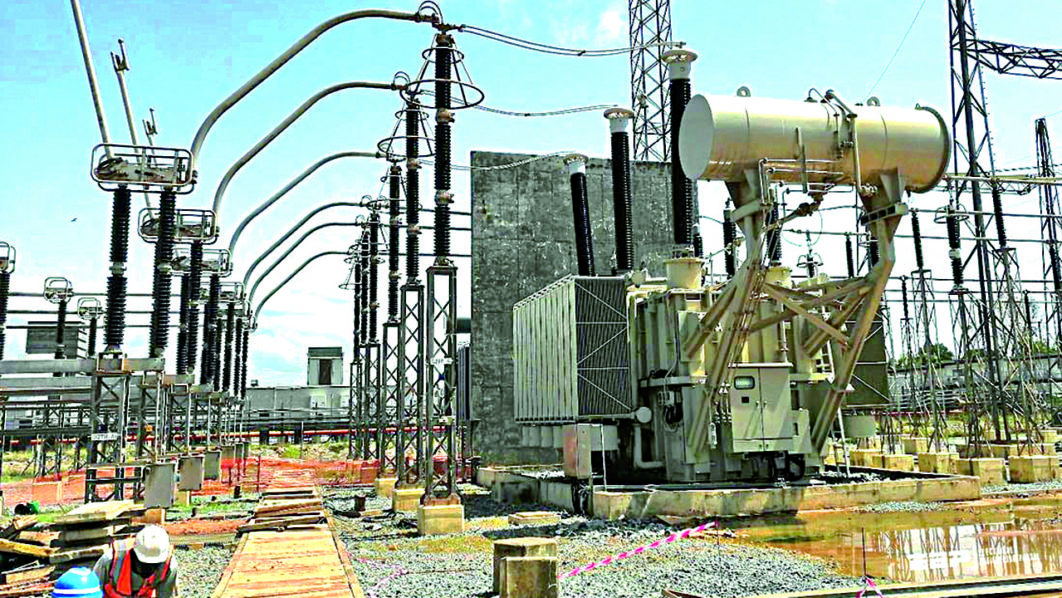
Despite a deepening energy crisis that has seen national power generation crash to 3,940MW, Adebayo Adelabu, the minister of Power, has offered optimism without a clear roadmap for resolving the systemic gas shortages crippling the sector.
In an Eid al-Fitr message released on Thursday, the Minister assured Nigerians that the Federal Government is implementing decisive steps to address the upstream constraints and infrastructure gaps hindering Generation Companies (GenCos).
However, the statement conspicuously lacked specific timelines, budgetary allocations, or policy shifts needed to clear the sector’s mounting legacy debts.
The Data Adelabu Didn’t Address
For the organized private sector and tech hubs that rely on stable power, the numbers tell a more urgent story than the official rhetoric:
Thermal plants, which provide 70% of Nigeria’s electricity, are currently receiving less than 43% of their required gas volumes.
The industry is currently suffocating under a ₦10.1 trillion total debt, including ₦3.3 trillion owed directly to gas suppliers and ₦6.8 trillion owed to GenCos by the government and NBET.

Also, supply from the Nigerian Independent System Operator (NISO) dropped from 4,300MW in February to a precarious 3,940MW in March 2026.
Reforms Taking Root vs. Operational Reality
Minister Adelabu stated that reforms initiated by President Tinubu are beginning to take root and that Nigerians would soon witness the full benefits.
Industry watchers believe that while he highlighted the President’s recent engagements in the UK as milestones for future investment, Adelabu did not clarify how these international talks would solve the immediate local issue of vandalism and upstream gas constraints.
For GenCos, the reality remains one of forced outages. Many plants are currently stranded at just 40% capacity, despite a national potential of over 13,000MW.
Without a concrete plan to pay down the ₦3.3 trillion gas debt, suppliers remain reluctant to increase volumes, regardless of ministerial assurances.
The Cost of Silence
The lack of specifics is particularly concerning for Nigeria’s digital economy. As small businesses and tech startups face higher backup power costs due to unreliable grid supply, the absence of a transparent Energy Recovery Plan makes long-term capital planning nearly impossible.
While the Minister has called for patience and collective sacrifice, the business community is increasingly calling for a data-driven breakdown of how the government intends to de-risk the gas-to-power value chain in 2026.