

| By: Francis Onyemachi
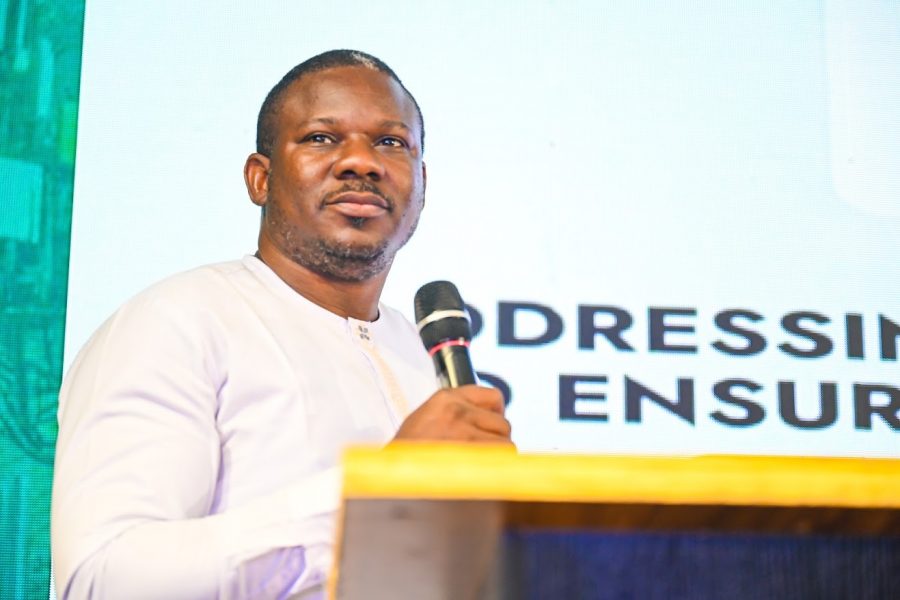
Ayowande Adalemo, the chief executive officer, Wave5Wireless, has suggested that Nigeria needs to invest an estimated $3.5 billion to $5 billion to achieve its long proposed 30% 5G penetration dreams.
Adalemo, who disclosed this figure exclusively to Techeconomy, acknowledged that it’s a huge sum, insisting that it is an unavoidable step that must be taken to achieve the country’s 5G target.
“To scale 5G and unified fiber networks to a point where they reliably hit that 30% national penetration target, we are looking at an investment requirement that easily exceeds $3.5 billion to $5 billion over the next few years.
“It is a staggering investment sum, but if we don’t treat this with the same structural urgency that a nation treats a space program, 5G and high-speed internet in Nigeria will remain exactly what it is today: a marginal, premium luxury confined to wealthy urban clusters,” he said.
According to NCC, 5G network penetration stood at 14 per cent of the population and usage at 5 per cent. Also, overall broadband penetration stood at 55.67 per cent, with more than 120.7 million active broadband subscriptions.
The CEO however described the government’s current $2 billion fiber initiative as just a foundation plumbing, the highway system, insisting that private operators, infrastructure companies, and tower firms will need to invest billions more to build the actual cars and gas stations.
According to him, the capital efficiency can be drastically optimized if the country moves from building isolated and competitive network silos citing Innovations like Mitchell Elegbe’s Interswitch.
“When Mitchell Elegbe built Interswitch, he didn’t build new banks; he built a central switch that connected the banks, created the Verve card rails, and unlocked a multi-trillion Naira digital economy.
“Wave5Wireless is essentially doing the exact same thing for the physical utility layer. They aren’t trenching more fiber or manufacturing routers; they are serving as the interoperable switching and clearing layer that forces isolated pools of network capital to form a nationwide, hyper-yielding digital ecosystem.”
He explained that Nigeria is far from achieving this 5G target with the current pace of adoption and investment
“If we continue at our current pace, Nigeria is not realistically on track to hit a meaningful 30 penetration target via legacy cellular deployment alone.
He cited overall market penetration sitting at just over 4%, while legacy networks still command nearly 90% of the market, noting that the timeline is highly compromised by economic friction.
The CEO suggests that embracing the Wave5Wireless Infrastructure Federation approach will help bridge the gap.
In his words,
“if the industry embraces the infrastructure federation approach pioneered by Wave5Wireless, we can bridge this gap by riding on the back of the world’s primary data carrier: Wi-Fi.”
He added that the primary risk that could derail the 5G penetration ambition remains a prolonged foreign exchange crisis that freezes capital expenditure.
Meanwhile, he stated that adopting a localized routing infrastructure engine that keeps network assets humming will drastically reduce systemic vulnerability.