

ADVERTISEMENT
Friday, May 29, 2026
Tech | Business | Economy
No Result
View All Result
  • Technology
    • Trends
    • Telecoms
      • Broadband
    • ConsumerTech
      • Gadgets and Appliances
      • Apps
      • Accessories
      • Reviews
      • Unboxing
    • EnterpriseTECH
    • Security & Data Protection
    • How To
  • Business
    • Company News
    • StartUPs
      • Founder’s Story
      • Funding
    • Deals
    • People & Moves
    • SME & Entrepreneur Focus
    • BUSINESS SENSE FOR SMEs
    • Competition & Market Positioning
    • Commerce & Mobility
    • Travel
    • WomenPreneurs
  • Economy
    • Macroeconomic Trends
      • Macro Monday
      • TE Insights
    • Finance
      • Banks
      • Fintech
      • Insurance
      • Digital Assets
      • Personal Finance
    • Policies
      • Tech & Society
    • Market Analysis
    • Jobs & Workforce Economy
  • Features
    • Guest Writer
      • Chidiverse
      • Digital Assets
      • GameTech
    • EventDIARY
    • IndustryINFLUENCERS
    • MarkTECH
    • TBS
    • NewsEXTRA
  • Editorial
  • Brand Content
  • TECHECONOMY TV
Friday, May 29, 2026
Tech | Business | Economy
No Result
View All Result
Tech | Business | Economy
No Result
View All Result

Home » NBS: Petrol Price Hits N1,532 Per Litre After 19% Surge in April 2026

NBS: Petrol Price Hits N1,532 Per Litre After 19% Surge in April 2026

Joan Aimuengheuwa by Joan Aimuengheuwa
May 29, 2026
in Business
Reading Time: 3 mins read
0
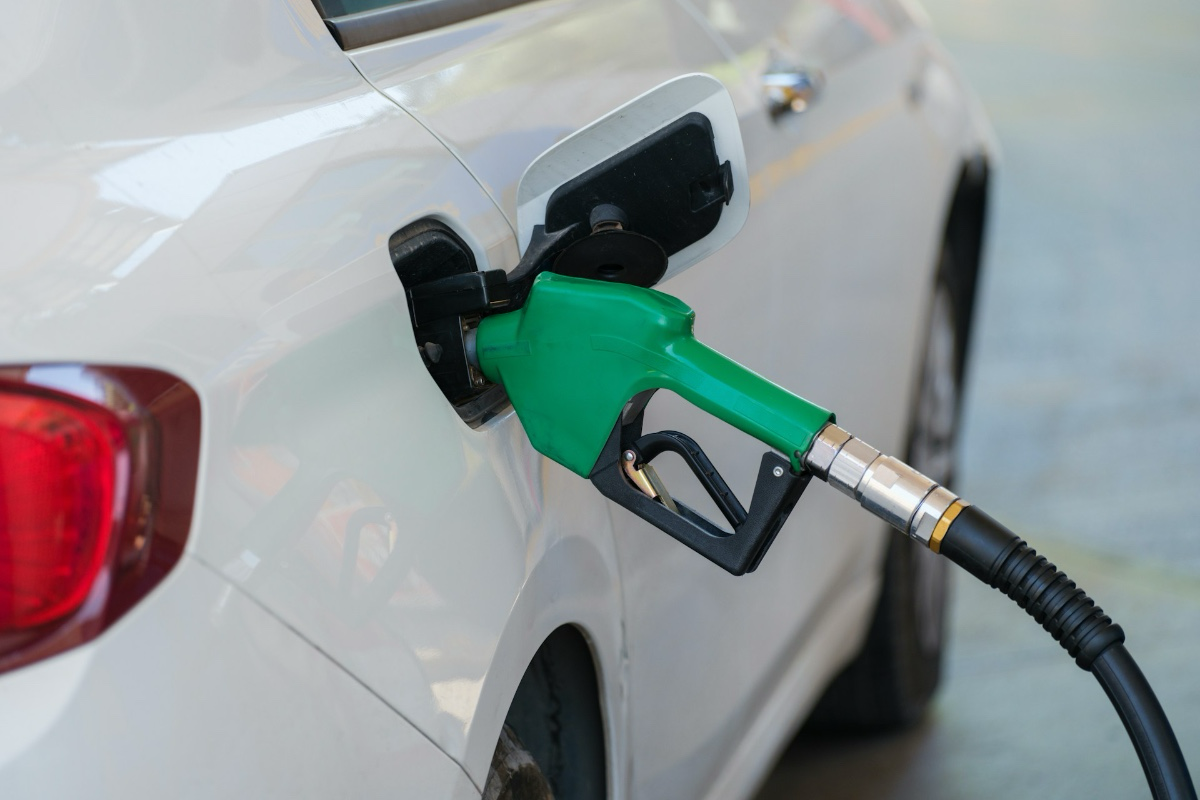
Nigeria petrol price April 2026

Source: Dawn McDonald/Unsplash

Nigeria’s petrol price surged in April 2026, with the average retail cost reaching N1,532.93 per litre nationwide.

This was revealed in the new figures released by the National Bureau of Statistics (NBS). The increase adds more stress on households and businesses already enduring high transport, food and energy expenses across the country.

NBS said petrol prices increased by 18.97% compared to March 2026. Every year, prices rose by 23.69% from N1,239.33 recorded in April 2025.

In March, the national average stood at N1,288.54 per litre before moving higher in April.

The figures show the continuous impact of fuel deregulation, foreign exchange instability, high global crude prices and increasing distribution prices within Nigeria’s downstream oil sector.

Subscribe to our Telegram channel for the latest updates.

Follow the latest developments with instant alerts on breaking news, top stories, and trending headlines.

Join Channel

Across the states, Yobe recorded the highest average petrol price at N1,599.05 per litre. Edo followed at N1,595.74, while Bauchi posted N1,589.07.

On the other hand, Niger recorded the lowest average retail price at N1,403.89 per litre. Sokoto sold at N1,404.16, while Katsina recorded N1,406.28.

The report also showed regional differences in fuel prices.

The South-South recorded the highest zonal average at N1,566.76 per litre. The North-West had the lowest average at N1,508.81.

Analysts link the high price gap between states to transport costs, supply challenges, infrastructure problems and varying access to fuel depots.

Northern states in particular still face higher delivery costs because many marketers transport products over long distances.

Nigeria’s headline inflation rate climbed to 15.69% in April 2026, up from 15.38% in March. Food inflation reached 16.06% year-on-year, driven by rising prices of staple foods including yam, maize, millet and sorghum.

Core inflation, which excludes volatile agricultural produce and energy, also rose to 15.86%, showing that price pressure now cuts across several sectors of the economy.

At the state level, Sokoto recorded the highest inflation rate at 25.74%. Bauchi followed at 22.52%, while Zamfara posted 22.03%. Edo recorded the lowest inflation rate at 5.91%.

Global oil prices also contributed to the rise in local petrol prices.

Brent crude climbed to $120.4 per barrel in April 2026 from $103.7 in March following renewed tensions in the Middle East. At the same time, the naira averaged N1,361 against the dollar during the month despite market volatility.

The removal of petrol subsidies in 2025 also left local fuel prices fully exposed to market forces.

Meanwhile, a recent survey showed that both petrol and cooking gas prices were high between April and May 2026.

The survey, conducted on May 23, found that cooking gas prices in Lagos increased from around N1,300 to N1,400 per kilogram in April to between N1,350 and N1,500 in May.

Petrol prices during the same period ranged between N1,200 and N1,350 per litre.

In the Federal Capital Territory and Nasarawa State, cooking gas prices rose to as high as N1,500 per kilogram, while petrol sold for between N1,350 and N1,444 per litre at major filling stations.

Kaduna and Rivers recorded some of the widest price differences for both petrol and cooking gas because of supply shortages and logistics costs.

In Kaduna, a 5kg cooking gas refill averaged N9,212 in April, while a 12.5kg refill cost around N23,030. Retail cooking gas prices in the state ranged between N1,300 and N1,500 per kilogram.


0Shares
MTN Live It 100 Thematic Campaign
Previous Post

MTN to Restore Xtratime Airtime Lending Service After FCCPC Lifts Enforcement

Joan Aimuengheuwa

Joan Aimuengheuwa

Joan thrives at helping individuals and businesses scale via storytelling...

Related Posts

AI Skills Companies Are Willing to Pay Six Figures For

These Are the AI Skills Companies Are Willing to Pay Six Figures For

May 29, 2026
Semone Peacock | Logiscool Ruimsig | Educating for the World

We Are Educating for a World That No Longer Exists

May 29, 2026

Infobip named a Leader in Gartner Magic Quadrant for CPaaS again

May 29, 2026
Load More

Leave a Reply Cancel reply

Your email address will not be published. Required fields are marked *

I agree to the Terms & Conditions and Privacy Policy.

This site uses Akismet to reduce spam. Learn how your comment data is processed.

Techeconomy Podcast
Techeconomy Podcast

The Techeconomy Podcast is a thought-leadership show exploring the powerful intersection of technology, business, and the economy, with a strong focus on Africa’s fast-evolving digital landscape.

Financing the Future: Venture Debt, Local Capital & African Innovation | TBS May 2026 Webinar
byTecheconomy

Africa’s innovation ecosystem is evolving, but where will the funding for the next generation of startups come from?

In this edition of the Techeconomy Business Series (TBS) May 2026, industry experts explore how local capital, venture debt, and smarter investment structures are redefining startup growth and innovation across Africa.

🎙️ Featured Speakers:

* Ebunoluwa Ashley-Dejo

* Damilare Davola

* Success Ajilore (STN & Accelerated Plus)

Key conversations in this webinar include:

✔️ The future of startup financing in Africa

✔️ Venture debt and alternative funding models

✔️ The role of local investors in scaling innovation

✔️ Sustainable investment strategies for African startups

✔️ Opportunities and challenges in the African tech ecosystem

Subscribe for more conversations shaping Africa’s digital economy and innovation landscape.

#TBS2026 #AfricanInnovation #VentureDebt #StartupFinance #TechInAfrica #Techeconomy #AfricanStartups #InnovationEconomy

Financing the Future: Venture Debt, Local Capital & African Innovation | TBS May 2026 Webinar
May 27, 2026
Techeconomy
PROTECTING INNOVATION IN AFRICA’S STARTUP ECOSYSTEM
April 29, 2026
Techeconomy
BUILDING TRUST IN AFRICA ECOSYSTEM
February 27, 2026
Techeconomy
Navigating a Career in Tech Sales
January 29, 2026
Techeconomy
How Technology is Transforming Education, Health, and Business
November 27, 2025
Techeconomy
Search Results placeholder
MTN Live It 100 Thematic Campaign
ADVERTISEMENT
  • About Us
  • Careers
  • Contact Us
  • Privacy Policy

© 2026 TECHECONOMY.

No Result
View All Result
  • Technology
  • Business
  • Economy
  • Features
  • Editorial
  • Brand Content
  • TECHECONOMY TV

© 2026 TECHECONOMY.

This website uses cookies. By continuing to use this website you are giving consent to cookies being used. Visit our Privacy and Cookie Policy.

