



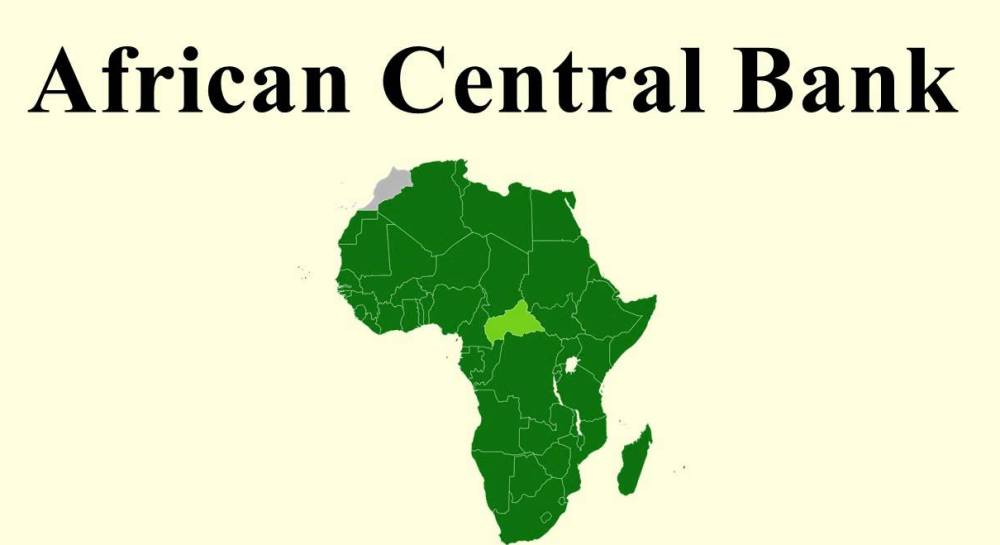
Nigeria has solidified its position as the primary architect of the continent’s future monetary policy.
At the 39th session of the African Union (AU) Executive Council, the Ministry of Foreign Affairs confirmed that Nigeria has been granted a permanent seat on the Board of the African Central Bank (ACB).
The move is more than a diplomatic gesture; it is a recognition of Nigeria’s “economic weight” and technical expertise as Africa navigates the high-stakes journey toward a unified currency and a single monetary market.
Driving the African Monetary Institute
The permanent seat grants Nigeria a critical vote on the Technical Convergence Committee of the African Monetary Institute (AMI). This is the “engine room” currently drafting the blueprints for:
Macro-economic Convergence: Setting the criteria for inflation, fiscal deficits, and debt-to-GDP ratios across AU member states.
The Single Currency Roadmap: Architecting the transition to a pan-African currency designed to reduce dependency on the US Dollar and the Euro.
Financial Sovereignty: Building a centralized African clearing house to lower the cost of intra-continental trade.
Minister of Foreign Affairs, Yusuf Tuggar, described the outcome as a “landmark decision” that underscores Nigeria’s role in shaping the continent’s financial architecture.
Why This Matters for the $1 Trillion Economy

For Nigeria, this seat is a strategic hedge. As the country aims for a $1 trillion GDP, its economic stability is increasingly tied to regional integration.
Policy Fluency: Just as the NIIRA 2025 is re-architecting Nigeria’s internal insurance sector, the ACB board seat allows Nigeria to export its regulatory standards to the rest of the continent.
Stability & Security: The session also saw ECOWAS-endorsed candidates elected into the Peace and Security Council, creating a “Security-Finance” nexus that is essential for a stable investment climate.
The Institutional Pivot: From Diplomacy to Architecture
Tuggar’s report highlights a shift in Nigeria’s AU engagement, moving from “participation” to “design.”
On the sidelines of the session, Nigeria led a Ministerial High-Level Panel on Regional Partnerships for Democracy, emphasizing that democratic stability is the “operating system” upon which financial integration must run.
“This development underscores Nigeria’s strategic role in shaping Africa’s financial architecture,” Tuggar stated. “It affirms our technical expertise and commitment to advancing Africa’s monetary integration agenda.”
The establishment of the ACB is the “Foundational Infrastructure” that the African fintech ecosystem has been waiting for.
A unified central bank board could eventually lead to interoperable payment rails across the continent, significantly reducing the “friction” that currently plagues cross-border Afro-fintech startups.
By securing a permanent seat, Nigeria ensures that its tech-forward, high-volume economy sets the pace for the rest of Africa.