


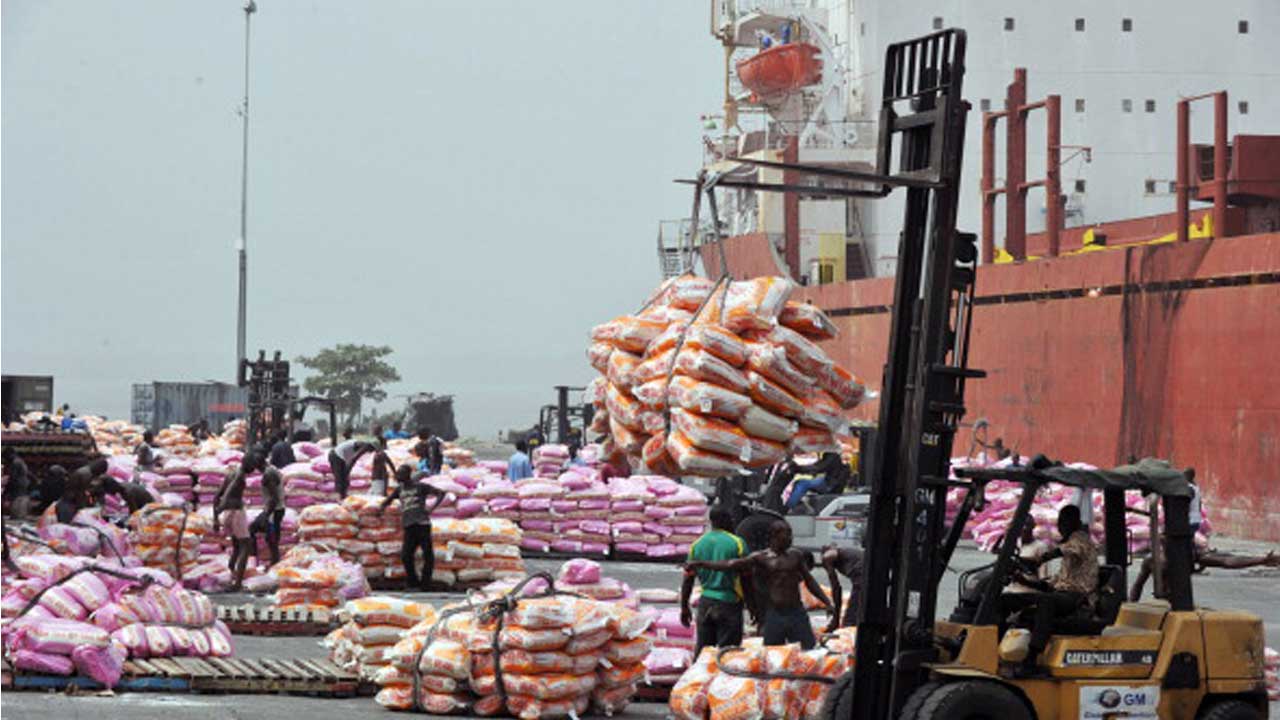
Nigeria and the rest of Sub-Saharan Africa spend around $50 billion a year importing food and agricultural products.
This was revealed in the Private Sector Consultations Report on Post Malabo Agenda, put together to foster a collaborative approach to African Union’s Comprehensive Africa Agriculture Development Programme (CAADP).
Through the USAID Bureau for Resilience and Food Security (RFS), Policy Link provides essential support to CAADP and incubates development solutions that can be scaled through USAID Missions in other countries.
Kudzai Madzivanyika, the Senior Manager, Regional Trade and Policy at USAID Policy Link, provided an update on the state of agriculture in Africa, noting that the productivity of both land and labour in Sub-Saharan Africa is low.
Crop yields in this region are significantly lower compared to other regions, with the average yield across Africa being half that of India and one-fifth of the yields in the US.
Her words: “Crop yields in Sub-Saharan Africa are very low relative to other regions, with the average across Africa being half that of India and one-fifth of the yields in the US. 40% of Sub-Saharan Africa’s population still live below the international poverty line of $1.90 per day.”
Madzivanyika also emphasized that Sub-Saharan Africa generates less than half of the global average amount of agricultural value added per person working in agriculture.
Declaration’s commitments, but the analysis of the situation has fallen short, emphasized the importance of robust interventions.
She highlighted that recommendations from the forum will form part of the suggestions towards improving continent wise agricultural performance, and addressing existing challenges on the road to eradicating hunger and malnutrition in Africa.
Meanwhile, Bizou Ahouanmenou an International expert Elise Bizou Ahouanmenou emphasized the importance of member states meeting the requirements of the Malabo Declaration, which was adopted by African Heads of State and Government in 2014.
The declaration outlined goals to enhance agricultural development and revolutionize the sector for mutual prosperity.
With the declaration’s term coming to an end in 2025, she highlighted the urgent necessity for private sector involvement to bolster ongoing initiatives and pave the way for future advancements under the Post-Malabo Agenda.
Despite significant efforts over the past two decades, Africa has not fully met the ambitions goals outlined in both the Maputo (2003) and Malabo (2014) Agendas.
CAADP has been instrumental in guiding agricultural transformation efforts, providing a framework for collaboration among African Union institutions, regional bodies, and member states.
The upcoming Post-Malabo Agenda development process presents an opportunity to address existing challenges, leverage emerging trends, and outline a new agenda that fosters sustainable agricultural development, food security, and economic growth.
The Post Malabo Agenda development process will involve stakeholder consultations, research and analysis, design and drafting, and political mobilization across the continent, culminating in the declaration of a new agenda and commitments by the Heads of State and Government (HOSG) by the end of January 2025.
This process will consider the review of ECOWAS Agricultural Policy (ECOWAP) for West Africa to ensure consistency, relevance, and complementarity, while also avoiding duplication of efforts.




Comments 1