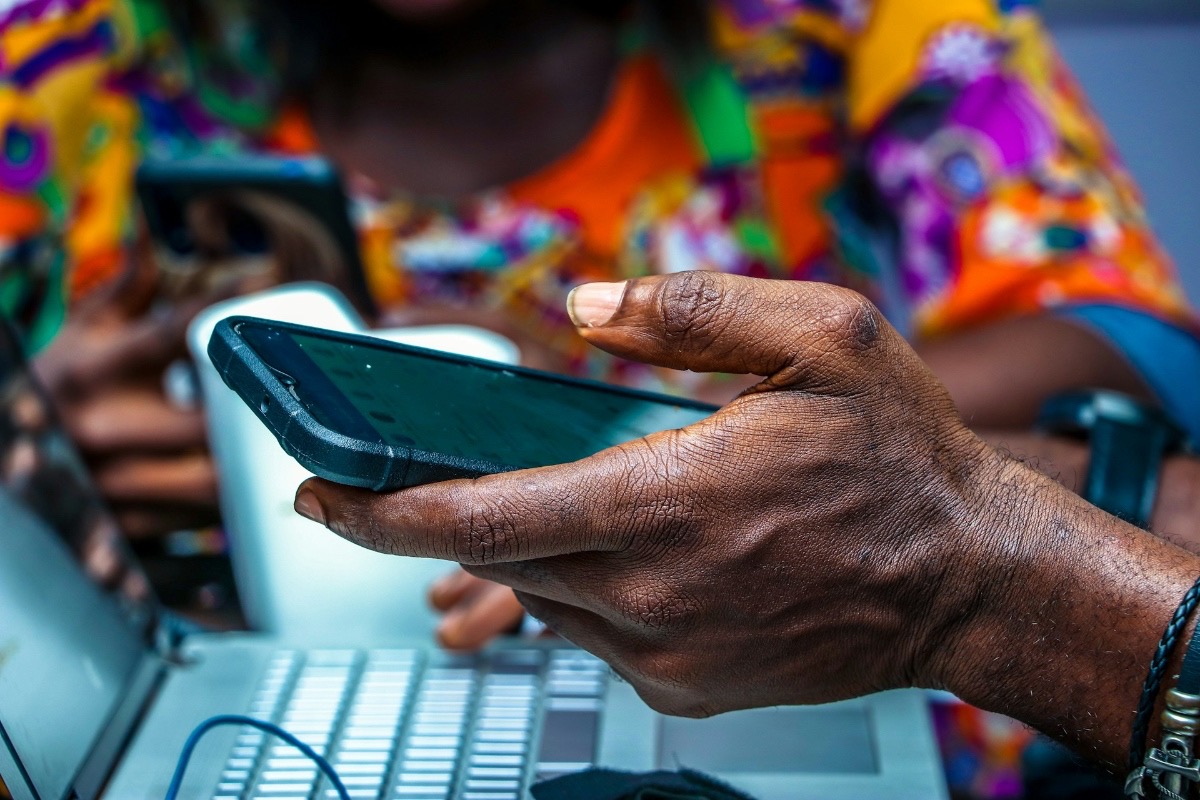
Nigerian mobile network operators are launching new transparency tools, including daily usage reports and data calculators, in a bid to rebuild consumer trust and prove they aren’t “stealing” data from subscribers.
Driven by a directive from the Nigerian Communications Commission (NCC) following a clean billing audit, the goal is to show users exactly how background app activities, automatic updates, and video streaming drain their balances as data consumption across the country skyrockets.
Operators have already started sending customers daily reports showing how much data they used the previous day.
An official at one of the telecom companies in Nigeria said the data depletion issue has become a major concern across the industry.
“An average subscriber believes their service provider steals their data once their data is exhausted before time or depletes faster than they expected, which is not true.
“Over the years, we have tried to enlighten the subscribers on factors that could lead to their data being depleted fast, which include smartphone functionality, among others.
“And now, we are looking at tools that could show the subscribers not just what they have used, but also how they have used it to further promote transparency,” the source said.
He added that operators are also stepping up public awareness campaigns to help subscribers understand why data may finish faster than expected.
The renewed drive for transparency comes as data usage across Nigeria gets more expensive.
Nigerians consumed more than four billion gigabytes of data in the first quarter of 2026, driven by heavy use of video streaming platforms, social media, fintech services and remote work tools.
That growth has also increased pressure on telecom infrastructure, with networks in many parts of the country now struggling during peak hours, leaving subscribers with slower internet speeds and unstable connections.
Many users often interpret those issues as abnormal data depletion.
Telecom operators are also dealing with worsening infrastructure problems. Industry data showed there were 19,384 fibre cuts in 2025, while another 5,934 incidents were recorded in the first quarter of 2026 alone.
At the same time, only about 25% of planned 4G expansion projects for 2026 have been completed, leaving networks overstretched as internet demand grows.
In December 2024, the NCC said it carried out a billing audit across major mobile networks after repeated complaints from subscribers. According to the regulator, the audit did not uncover any major issue linked to unfair data deductions.
The Executive Vice Chairman of the NCC, Dr Aminu Maida, said the exercise was completed in the third quarter of 2024 using independent auditors.
“We had a hypothesis that it isn’t true that there is a data depletion issue in the industry. It could be perception.
“So the first thing we did was that we immediately conducted a billing audit on the systems of the major MNOs, using reputable auditors. That exercise was completed in Q3 of this year (2024) and surprisingly, we didn’t find any major issues,” he said.
The NCC has repeatedly warned that several smartphone features and apps consume data without users actively using them. According to the commission, background app activity, cloud syncing, automatic updates and location services are some of the biggest causes of unexpected data usage.
The regulator advised subscribers to monitor their usage regularly, turn off background data access for selected apps and disable automatic updates where necessary.
It also recommended using Wi-Fi whenever possible and installing ad blockers to reduce unwanted data consumption from online advertisements.
Meanwhile, Nigeria is reviewing its 26-year-old telecom policy as the government looks to address growing pressure on the sector.
Proposed reforms include stronger consumer protection rules, new tariff structures, wider 5G deployment and tougher measures to protect telecom infrastructure from vandalism and fibre cuts.
Authorities say the reforms are aimed at improving digital access, strengthening cybersecurity and encouraging long-term investment in the country’s telecom industry, ultimately reducing data depletion across Nigeria.