


Nigeria is preparing for its most aggressive privatization drive in over a decade.
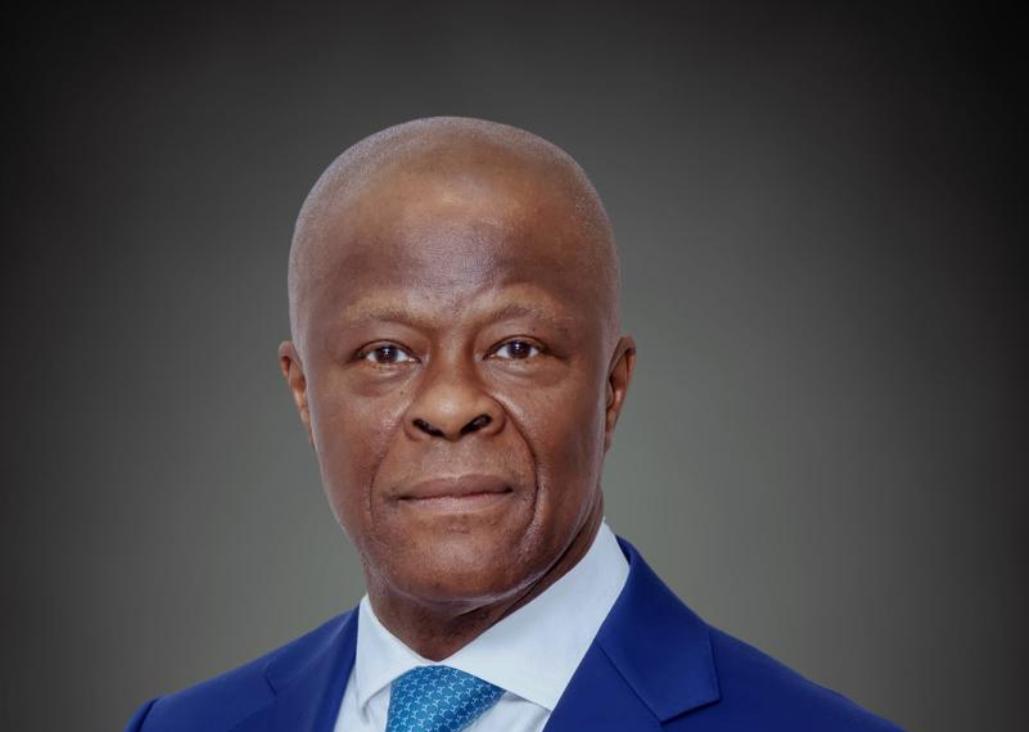
Speaking at the AlUla Conference in Saudi Arabia this week, Wale Edun, the finance minister and coordinating minister of the Economy, confirmed that the Federal Government will begin offloading a curated list of state-owned assets to private investors starting in 2026.
The move, described as a “debt-free” way to bridge the country’s ₦25 trillion budget gap, signals a pivot toward Public-Private Partnerships (PPPs) as the primary engine for economic recovery.
The “91 Assets” List: What’s on the Table?
While the government is still finalizing specific valuations, the Bureau of Public Enterprises (BPE) has already identified 91 public entities for potential sale or concession. The strategy focuses on four high-friction sectors:
- Energy & Refineries: Equity stakes in the Port Harcourt, Warri, and Kaduna refineries are being negotiated, with global giants like Sinopec reportedly in the loop.
- Aviation & Transport: Concessions for major international airports and the revitalization of the rail network via private capital.
- The Power Sector: Sale of remaining government interests in National Integrated Power Plants (NIPPs) like Geregu II and Omotosho II.
- Steel & Agriculture: Divestment from the long-dormant Ajaokuta Steel Company and national agricultural silos.
The “Atiku Factor” and the NNPC Admission
The policy shift comes amidst a rare moment of political “validation.” Former Vice President Atiku Abubakar, a long-time advocate for privatization, recently noted that the NNPC’s admission that the $1.5 billion Port Harcourt Refinery rehabilitation was uneconomic “validates his long-held position.”

“This belated admission validates my long-held position that Nigeria’s refineries should be privatised,” Atiku stated, following reports that the facility remains comatose despite the massive spend.
The 2026 Privatization Roadmap
| Metric | 2026 Fiscal Projection |
| Total Projected Expenditure | ₦58 Trillion |
| Projected Revenue Gap | ₦25 Trillion (Deficit) |
| Asset Sale Revenue Target | ₦189.16 Billion (Initial Phase) |
| Total Identified Assets | 91 Enterprises |
| Top Sector Priority | Refineries & Power Plants |
From Liabilities to Liquidity
For the tech and investment community, this is a “buy signal.” By moving these assets into private hands, the government isn’t just raising cash; it is attempting to remove systemic bottlenecks, like power and fuel, that have historically raised the cost of doing business for Nigerian startups.
Minister Edun emphasized that 2025’s tax and FX reforms have made these assets “irresistible” to foreign capital.
“Investors are now more comfortable,” Edun noted. “What we have put in place has made Nigeria very competitive.”