


When conversations turn to innovation on the global stage, the spotlight often falls on breakthroughs in medicine, finance or software development.
Yet, beyond the headlines, many Nigerians are quietly contributing to research and technologies that could shape the future of entire industries. From strengthening renewable energy systems to exploring new ways of improving mental wellbeing through artificial intelligence, their work is helping address challenges that extend far beyond national borders.
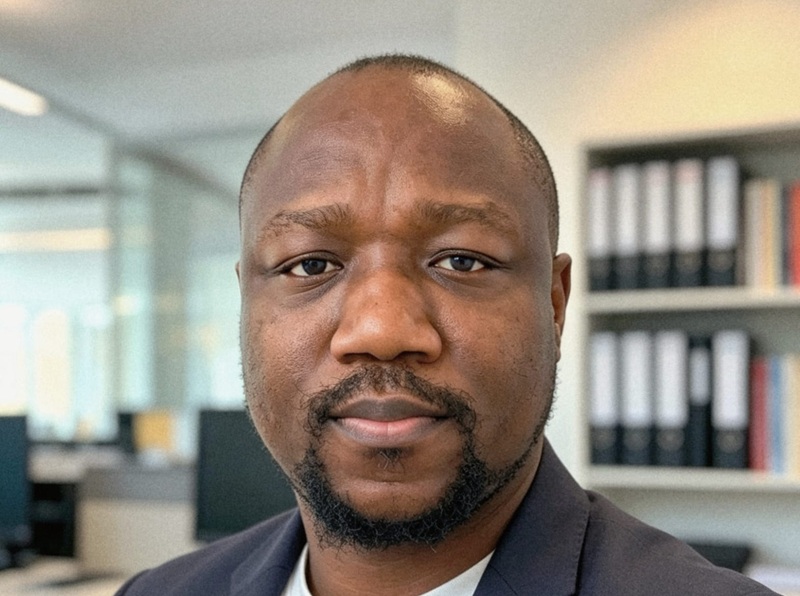
One of them is Glory Okwata, a UK-based cybersecurity professional whose career has steadily evolved around a simple idea: technology should make people’s lives better, but only if it can be trusted. That belief has taken him from years of hands-on cybersecurity practice into international research on electric vehicle infrastructure and, more recently, the world of AI-powered digital health.
Okwata was recently among the researchers behind a peer-reviewed study published in Applied Energy (Elseviers), one of the world’s leading (academic) energy journals.
The study examines cybersecurity in Vehicle-to-Grid (V2G) systems, an emerging technology that allows electric vehicles to do more than transport people from one place to another. Instead of functioning solely as consumers of electricity, these vehicles can also feed unused energy stored in their batteries back into the power grid during periods of high demand.
The technology is widely regarded as an important step towards cleaner and more flexible energy systems.
As countries increase their reliance on renewable energy, V2G systems could help stabilise electricity supply, reduce pressure on national grids and make better use of renewable resources. But the same connectivity that makes the technology valuable also creates new security concerns.
Every communication between an electric vehicle, a charging station and the power grid represents a potential point of cyber attack. If left unprotected, these systems could become targets for cybercriminals seeking to disrupt critical infrastructure or compromise sensitive data.
The research systematically reviewed existing studies on the subject, assessed current security approaches and identified areas where further work is needed to strengthen the resilience of V2G networks as their adoption continues to grow.
For Okwata, contributing to the research was a natural extension of a career built around understanding digital threats and finding practical ways to reduce them. Long before earning an MSc with Distinction in Cybersecurity from Teesside University in the United Kingdom, he had developed an interest in technology by experimenting with mobile phones and learning how digital systems worked. That early curiosity gradually developed into a professional career spanning security operations, cloud technologies, threat detection and digital risk management.
His work has not been limited to corporate environments. Alongside his professional responsibilities, Okwata mentors aspiring cybersecurity professionals, develops educational content and has spoken publicly about the importance of diversity and inclusion within the cybersecurity industry, at the UK Cyberweek held at Olympia London.
He has also created a mobile application designed to make cybersecurity awareness training more engaging by adapting learning content to user’s personality trait.
While cybersecurity remains his core discipline, Okwata’s interests have expanded into another area where technology is increasingly making a difference: mental health.
He is the co-founder and Data Protection Officer of Therafam, a health technology startup that uses artificial intelligence to support mental wellness.
In that role, he leads the company’s data protection and compliance strategy, ensuring that sensitive personal information is handled responsibly while the platform meets recognised privacy standards.
His work also involves embedding security and privacy into product development from the earliest stages.
Therafam was founded on the belief that more people should have access to tools that help them better understand their emotional wellbeing before problems become more severe. Through interactive assessments and AI-powered support, the platform encourages greater self-awareness while complementing, rather than replacing, professional mental healthcare.
At a time when conversations around mental health are becoming more open, particularly among young Africans, digital platforms like Therafam are helping reduce barriers to early support.
Although electric vehicle cybersecurity and mental wellness may appear to belong to different worlds, they are connected by a common thread. Both involve building confidence in technologies that people increasingly depend on in their everyday lives. If it is about protecting critical energy infrastructure from cyber threats or safeguarding the personal information of individuals seeking mental health support, trust remains central to innovation.
Okwata’s career also reflects a broader shift in how Nigerian professionals are contributing internationally. Increasingly, they are not only participating in global conversations around artificial intelligence, cybersecurity and clean energy but also helping shape them through research, entrepreneurship and technical leadership.
Their contributions demonstrate that expertise developed by Nigerians continues to find relevance in solving problems that affect communities across the world.
For Nigeria, stories like this serve as a reminder that the country’s greatest export is not limited to natural resources or entertainment. It is also the talent, curiosity and determination of its people. Across research institutions, technology companies and startups, Nigerians are quietly helping build solutions for a safer, smarter and more connected future.
Glory Okwata’s journey is one example of that growing global footprint, proof that meaningful innovation often happens where technical expertise meets a genuine desire to improve lives.





Security concerns around EV and the national grid is one that is so critical to national infrastructure. We need to strengthen such conversations and secure very valuable assets that can impact people and national existence if compromised. Great work!
V2G sounds fascinating to me, especially as an African whose country suffers from chronic power failures. Lets hope the goverment of Africa scouts talents like this and uses these innovation to improve power for its people. Nice work Glory.