


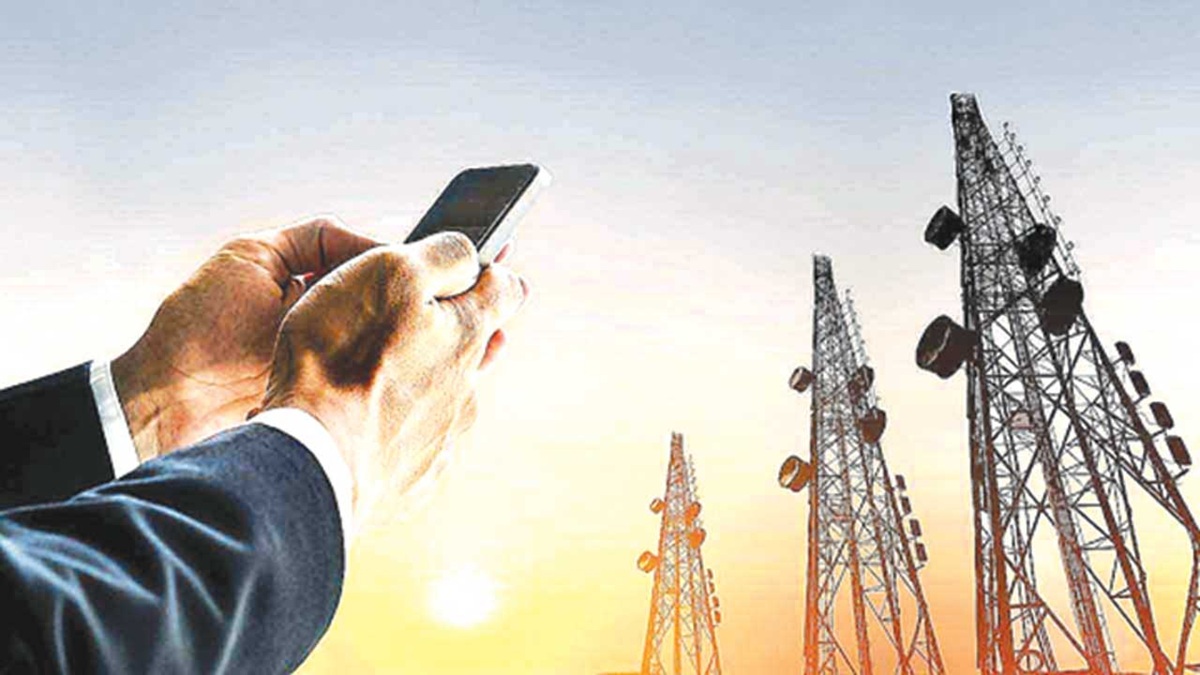
Nigeria’s digital appetite is growing at an unprecedented rate, with monthly mobile data usage more than doubling in less than three years.
New data released by the Nigerian Communications Commission (NCC) reveals that monthly data usage jumped from 518,000 terabytes in January 2023 to over 1.23 million terabytes by November 2025, a massive 140% increase.
This surge in mobile data usage is being fueled by a significant shift in connectivity standards and measurable improvements in network performance across the federation.
The Death of 2G and the Rise of 4G
For the first time, 4G has firmly established itself as the primary gateway to the internet for Nigerians.
The technology now accounts for approximately 52% of all mobile connections, officially overtaking 2G, which has declined to 38%.
This transition is not just about coverage; it is about speed. Between December 2024 and December 2025, the NCC recorded significant performance gains:
- Median 4G download speeds rose by 24%, moving from 16 Mbps to 20 Mbps.
- Average 4G download speeds increased by 18%, climbing from 28 Mbps to 33 Mbps.
For 5G, the Commission reported that the technology expanded to roughly 13% of the population and continuing to grow.

Infrastructure Powering the Surge
Dr. Aminu Maida, the executive vice chairman of the NCC, attributed these gains to aggressive infrastructure deployment.
Throughout 2025, telecom operators deployed or upgraded over 2,800 sites nationwide, strengthening both coverage and capacity.
Furthermore, the expansion is being bolstered by “Project BRIDGE,” a national digital infrastructure effort championed by the Minister of Communications, Innovation and Digital Economy, Dr. Bosun Tijani. The initiative aims to accelerate the deployment of 90,000km of fibre optic cable to serve as Nigeria’s digital backbone.
Challenges Amidst Growth
Despite the positive data, the NCC acknowledges that the “surge in demand places significant strain on networks”.
Many consumers still grapple with inconsistent service quality, congestion in high-traffic urban areas, and outages caused by infrastructure damage or power challenges.
Operators also face persistent hurdles, including:
- Rising operating costs and logistics constraints.
- Right-of-Way (RoW) issues at the subnational level.
- Persistent vandalism and theft of telecommunications equipment.
2026 Outlook: A $1 Trillion Ambition
The current momentum aligns with President Bola Ahmed Tinubu’s Renewed Hope Agenda, which targets a $1 trillion digital economy by 2030.
“Our shared expectation is simple: better services that people can feel,” stated Dr. Maida in the Commission’s 2026 outlook. For the coming year, the NCC has pledged to focus on “Quality of Experience,” ensuring that as 5G coverage (currently at 13%) continues to grow, the foundational 4G networks used by the majority of Nigerians remain resilient and affordable.