


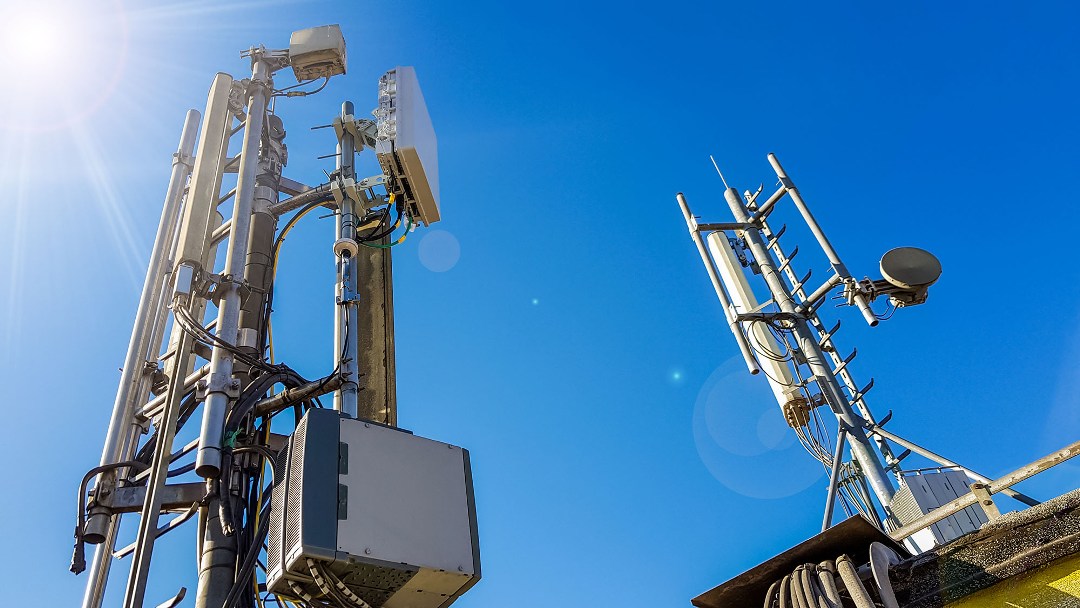
In a country where smartphone users are increasingly upgrading to 5G-enabled devices, a surprising digital paradox has emerged; half of Nigerians with 5G phones still cannot access 5G networks in the places they live or work.
This was revealed in the Nigerian Communications Commission (NCC) industry performance report for the fourth quarter of 2025.
According to Edoyemi Ogoh, NCC’s director of Technical Standards and Network Integrity, about 50 % of consumers who own 5G-capable devices cannot use the service because coverage simply isn’t available where they are.
This coverage gap is particularly stark outside core business and central urban districts.
Coverage Gaps and the Geography of Connectivity
Data from Lagos and Abuja highlights the challenge: in Lagos, the 5G coverage gap, the share of potential users who can’t access service, fell from 70.9 % in Q3 to 55.4 % in Q4 2025, while in Abuja it declined from 65.6 % to 47.4 % over the same period. Progress, yes, but far from complete.
These figures reflect a rollout still concentrated in major cities, where telecom operators have invested heavily in infrastructure.
Operators like MTN and Airtel show stronger urban latency and performance metrics, while others, including Glo and T2, lag behind, especially in rural and peri-urban zones.
Urban Gains, Rural Losses
The NCC’s analysis also exposes a widening digital divide between urban and rural Nigeria:

Urban median download speeds improved from 19 Mbps in Q3 to 20.5 Mbps in Q4 2025; Rural speeds, by contrast, declined over the same period, but upload performance gaps widened as well.
This pattern highlights how 5G and even 4G gains are disproportionately felt in cities, where dense population and revenue prospects attract faster deployment, while rural communities remain stuck with older technologies.
What This Means for Nigeria’s Digital Economy
The implications are real for Nigeria’s broader digital ambitions:
Consumer experience: High latency and patchy coverage undermine the benefits of 5G devices, especially for data-intensive activities like video streaming, cloud services, and real-time collaboration.
Digital inclusion goals: Without more equitable network expansion, economic, opportunities , especially in sectors like e-commerce, fintech, and digital services remain unevenly distributed.
Operator strategy: Investments over the past year yielded over 2,800 new sites, but many are clustered in urban corridors. Operators and policymakers must align rollout incentives with national connectivity targets.
Bridging the Gap
NCC’s report supposes that 5G holds promise for transformative speeds and network capacity, device readiness has overtaken network deployment in Nigeria, a classic infrastructure bottleneck that tech leaders must urgently address.
According to the Commission, bridging this divide will require accelerated rollout of 5G sites across underserved regions; upgrading existing rural towers to at least 4G where 5G is not yet viable, and incentives and regulatory support to drive equitable coverage expansion
Only then can Nigeria fully harness the productivity, innovation, and economic growth that 5G technology promises.