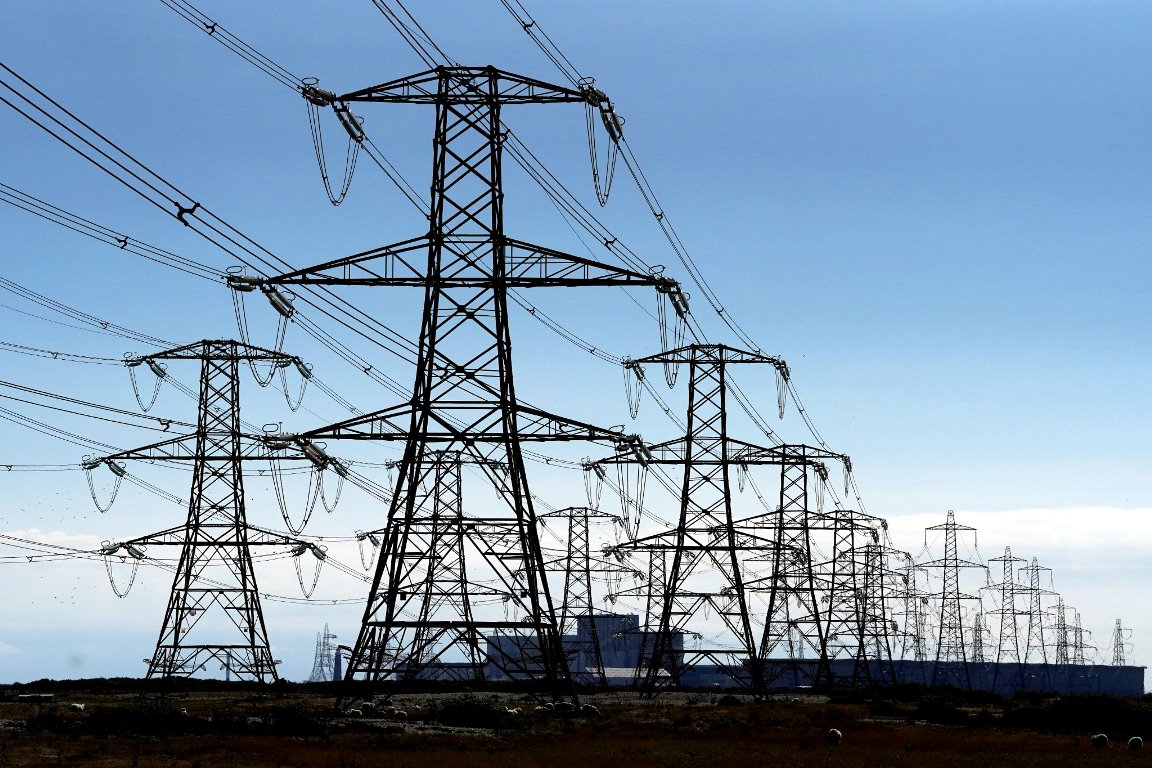
Nigeria’s electricity and gas sector recorded its weakest performance in years in the first quarter of 2026, despite broader economic growth and signs of gradual macroeconomic recovery.
Data released by the National Bureau of Statistics (NBS) in its Q1 2026 Gross Domestic Product (GDP) report showed that the electricity and gas sector contracted by 15.30 per cent year-on-year, making it the worst-performing sector during the quarter.
The sharp decline has renewed concerns over the fragility of Nigeria’s power infrastructure and its implications for industrial productivity, business competitiveness, digital infrastructure expansion, and long-term economic growth.
According to the Centre for the Promotion of Private Enterprise (CPPE), the contraction highlights deepening structural challenges within the country’s energy ecosystem at a time businesses are increasingly dependent on reliable electricity to support digital operations, manufacturing, telecommunications, cloud services, and broader economic activities.
Commenting on the GDP figures, Dr. Muda Yusuf, chief executive officer of the CPPE, noted that although Nigeria’s economy recorded a real GDP growth of 3.89 per cent in Q1 2026, compared with 3.13 per cent in the corresponding period of 2025, the weak performance of the electricity sector remains a major concern.
He described the overall GDP growth outcome as moderately positive, citing improving business confidence, macroeconomic stabilisation, and resilience across key non-oil sectors.
According to Yusuf, the slight moderation from the 4.0 per cent growth recorded in Q4 2025 is consistent with seasonal trends, as first-quarter economic activities are typically softer.
“Overall, the economy remains on a gradual recovery path,” he stated in a policy memo analysing the GDP report.
However, analysts say the continued deterioration of the electricity and gas sector could undermine gains recorded in other sectors, particularly as businesses increasingly face high energy costs, unstable power supply, and growing reliance on alternative energy sources.
The development also raises fresh concerns for Nigeria’s digital economy ambitions, as stable electricity remains critical for broadband infrastructure, data centres, fintech operations, artificial intelligence deployment, cloud computing, and technology-driven businesses.
Industry stakeholders have repeatedly warned that persistent power sector inefficiencies continue to raise operational costs for enterprises, reduce productivity, and weaken Nigeria’s attractiveness as a destination for digital and industrial investments.
The NBS data comes amid ongoing reforms in Nigeria’s energy sector aimed at improving electricity generation, transmission, and distribution while encouraging greater private sector participation and investment in renewable energy infrastructure.
Yusuf, noted that the development is concerning because electricity is not merely another economic sector but the foundation upon which productivity, industrialisation, competitiveness and inclusive growth depend. A contraction of this magnitude signals persistent structural weaknesses across generation, transmission and distribution, as well as continuing liquidity and governance challenges within the power sector.
He said the implications for businesses are severe, because at a time when firms are already burdened by high interest rates, logistics costs and weak consumer purchasing power, deteriorating electricity supply further escalates production costs and weakens competitiveness.
According to him, Heavy dependence on diesel and petrol-powered self-generation continues to erode profitability across the manufacturing, SME, hospitality, agro-processing and digital sectors.
Sustainable economic transformation cannot be built on fragile energy infrastructure. Without reliable, affordable and stable electricity, gains recorded in other sectors may prove difficult to sustain.
This underscores the urgent need for accelerated reforms across the electricity value chain, including stronger investment in transmission infrastructure, improved market liquidity, accelerated metering, reduction in technical and commercial losses, and governance reforms that can restore investor confidence in the sector.
The Centre also expressed concern over the oil and gas sector performance which slowed significantly from 6.79 per cent growth in Q4 2025 to 2.57 per cent in Q1 2026.
This moderation is concerning given the strategic importance of the sector to fiscal revenues, foreign exchange earnings and macroeconomic stability. Oil production remains below both national potential and budget assumptions despite ongoing reforms.
He noted also that one of the most significant highlights of the report is the emergence of the trade sector as the single largest contributor to GDP at 17.89 per cent.
This reflects the positive effects of improved exchange rate stability, better FX liquidity conditions, easing inflationary pressures and recovering business confidence on commercial activities and trade flows.
However, sustainable economic transformation cannot be driven by commerce alone. Long-term growth resilience requires stronger productive capacity, deeper industrialisation and significantly higher domestic value addition.
“Particularly noteworthy was the exceptional performance of the oil refining sector, which expanded by 37.46 per cent, the strongest growth recorded by any sector in the quarter.
This remarkable performance underscores the transformative potential of domestic refining in advancing energy security, deepening import substitution, accelerating industrialisation and conserving foreign exchange.
The impressive growth trajectory was also likely supported by elevated regional and global demand for locally refined petroleum products amid persistent geopolitical tensions in the Middle East and the resultant disruptions within the global energy market.
The exceptional performance of the sector was driven largely by the operations of the Dangote Refinery, whose emergence is increasingly reshaping Nigeria’s energy ecosystem, strengthening domestic value addition and reducing the economy’s dependence on imported petroleum products.
Yusuf, said ‘Overall, the Q1 2026 GDP report reflects an economy supported by resilient services, digital activities, trade, construction and expanding domestic refining capacity.
‘However, the report also exposes structural vulnerabilities, especially in power supply, industrial productivity and export competitiveness.
‘The next phase of economic reform should therefore focus more deliberately on productivity enhancement, industrialization, power sector reforms, export competitiveness and inclusive growth. These remain the critical foundations for sustainable economic transformation and improved welfare outcomes for Nigerians.’